Behind the Scenes

7 Top Filmmaking Technologies for Independent Producers in 2025

The filmmaking landscape for independent producers is rapidly evolving with new technologies. This guide breaks down seven key tools for pre-production, on-set, and post-production, helping creators identify the right solutions for their needs.

VR
Victor Ren

March 30, 2026 · 6 min read

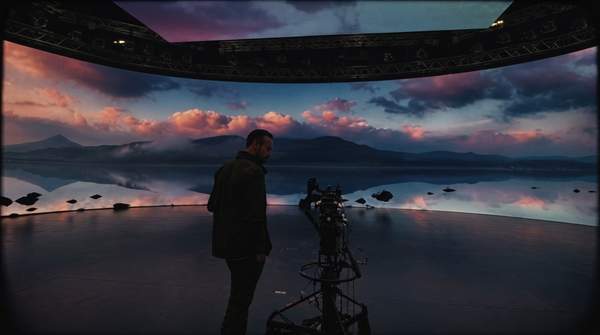
Independent filmmakers using advanced AI and virtual production tools, with holographic screens and futuristic cameras, symbolizing innovation in film technology.

The recent Higgsfield AI filmmaking competition, drawing submissions from 139 countries according to PR Newswire, highlights the rapid evolution of filmmaking technologies for independent creators. These emerging tools provide powerful alternatives to traditional workflows, offering new capabilities from pre-production planning to final post-production effects. This guide breaks down seven key technologies by their primary use case, helping independent producers identify the right tools for their specific needs.

This guide organizes technologies by their application to the distinct phases of independent production: pre-production, on-set production, and post-production.

1. Technologies for Pre-Production & Development

AI-driven tools are significantly changing the initial filmmaking phase of script and concept development. These technologies leverage large language models (LLMs) to accelerate the creative process, helping writers and directors brainstorm, structure narratives, and visualize scenes before shooting a single frame.

AI-Powered Scriptwriting Tools

AI scriptwriting assistants are designed to augment, not replace, the screenwriter. They can generate story ideas, character outlines, dialogue snippets, and even entire scene drafts based on user prompts. According to a report from Angstudiolv.com, AI tools are contributing to faster and smarter film production processes, beginning with scriptwriting. These platforms can help overcome writer's block by providing alternative plot directions or help format scripts to industry standards automatically. The key takeaway here is their function as a collaborative partner, streamlining the often time-consuming initial stages of development.

A primary limitation, however, is the risk of producing generic or formulaic content. The output is based on patterns from existing data, which may lack the unique voice and nuance a human writer provides. Therefore, these tools are best used for brainstorming and initial drafting, requiring significant human oversight and creative input to produce a polished, original screenplay.

2. Technologies for On-Set Production & Cinematography

New technologies are giving independent filmmakers unprecedented control over on-set environments and camera movements, allowing for shots previously achievable only with large budgets and crews. These tools, which forge a film's visual identity, focus on real-time visual feedback and greater mobility.

Virtual Production

Virtual production is a technique transforming filmmaking by merging physical and digital worlds in real time. It combines real-time rendering engines, like Unreal Engine, with large LED video walls, often called volumes. This setup allows filmmakers to shoot actors in a physical space against a dynamic, photorealistic digital background that is captured directly in-camera. A study published by MDPI notes the relevance of these real-time rendering pipelines for independent studios. This method eliminates the need for green screens and extensive post-production compositing, as lighting and reflections from the digital environment interact realistically with the actors and props on set. For independent productions, this can mean significant savings in location costs and post-production timelines.

Advanced Drone Technology

Aerial cinematography, once the exclusive domain of helicopter crews, has been made widely accessible through advanced drone technology. Angstudiolv.com reports that modern drones empower indie filmmakers to capture sweeping aerial shots with relative ease and affordability. Today's professional-grade drones offer high-resolution cameras, advanced gimbal stabilization for smooth footage, and automated flight paths. This allows small crews to execute complex camera movements that add significant production value. The key trade-off involves regulation and skill; operating drones for commercial purposes requires adherence to aviation authority rules, and achieving truly cinematic shots demands a high level of piloting proficiency.

Extended Reality (XR)

Extended Reality (XR) is an umbrella term for immersive technologies that include virtual reality (VR) and augmented reality (AR). According to Angstudiolv.com, XR is revolutionizing storytelling by blending these formats to create deeply immersive experiences. In a production context, AR can be used on set for pre-visualization, overlaying digital assets onto the real-world view through a camera or headset. This helps directors and cinematographers frame shots with CGI elements that will be added later. For distribution, VR can place the audience directly inside the film's world, offering a new frontier for narrative engagement. The main limitation is that creating compelling XR content can be technically demanding and costly, and the audience for such experiences is still more niche than that for traditional film.

3. Technologies for Post-Production & Performance

Post-production is where the film is assembled, refined, and finalized. AI is playing an increasingly prominent role in this phase, automating repetitive tasks and opening up new creative avenues for editing, visual effects, and even character performance.

AI-Powered Editing Tools

Modern editing software is incorporating AI to accelerate post-production workflows. These tools can automate tasks such as transcribing dialogue, sorting and logging footage based on content, and even generating rough cuts of scenes. Angstudiolv.com notes that AI is making the editing process smarter and faster. For an independent filmmaker working with hundreds of hours of footage, AI-assisted logging can save dozens of hours, allowing the editor to focus on creative decisions like pacing and tone. The primary limitation is that these tools currently lack the contextual understanding and artistic sensibility of a human editor, making them best suited for preparatory work rather than final creative cuts.

Generative AI for Content Creation

Generative AI platforms can now create video clips, animations, and visual effects from simple text prompts. The potential for independent creators was highlighted by a recent competition from Higgsfield, which PR Newswire reports distributed a $500,000 prize pool to filmmakers using its tools. The platform's stated aim is to democratize the filmmaking process by providing accessible, production-grade generative tools, empowering creators to produce high-quality content regardless of budget. The data from the competition, which received nearly 8,800 submissions, suggests a trend toward a parallel production ecosystem driven by independent creators, according to the press release. A key technical hurdle remains consistency; maintaining a character's appearance or a scene's continuity across multiple AI-generated shots can be challenging.

Generative AI for Digital Performance

Perhaps one of the most discussed applications of AI is in the digital replication of actors. A generative AI version of the late actor Val Kilmer is set to co-star in an independent film titled "As Deep as the Grave," as reported by abc30.com. According to the report, Kilmer's estate granted permission for his digital replication and is being compensated. This use case operates within a complex ethical and legal framework. The report notes that SAG-AFTRA regulations require consent from performers for the use of their digital replicas. Mercedes Kilmer, the actor's daughter, stated to abc30.com that her father viewed emerging technologies with optimism as a tool for storytelling. The primary limitation is the significant ethical consideration and the necessity of navigating union rules and estate permissions correctly.

TechnologyBest ForKey StrengthPotential Limitation
AI Scriptwriting ToolsPre-Production BrainstormingOvercoming writer's block and accelerating drafts.Can produce generic content requiring human revision.
Virtual ProductionCreating high-concept visuals in a controlled space.In-camera VFX, reducing post-production time.High initial setup cost and technical expertise required.
Advanced DronesAdding aerial production value on a budget.Capturing dynamic, high-quality aerial shots.Requires piloting skill and adherence to regulations.
Extended Reality (XR)Immersive storytelling and on-set pre-visualization.Offers new narrative perspectives (VR) and planning tools (AR).Niche audience and high development costs.
AI Editing ToolsAutomating repetitive post-production tasks.Saves time on logging, transcribing, and rough cuts.Lacks the creative nuance of a human editor.
Generative AI ContentRapidly creating visual assets and concept videos.Democratizes access to VFX and animation.Challenges with visual consistency across shots.
Generative AI PerformanceRecreating or creating digital human performances.Expands casting possibilities with digital replicas.Significant ethical, legal, and regulatory complexities.

The Bottom Line

The key for independent filmmakers is matching technology to specific project needs. AI scriptwriting tools offer a valuable starting point for streamlining pre-production development. For high-concept visuals on an indie budget, virtual production and advanced drones present powerful on-set possibilities. In post-production, AI-powered tools significantly accelerate workflows, from foundational editing tasks to novel visual asset generation, allowing creators to allocate more time to creative work.