Production

Top 5 Emerging Filmmaking Technologies for Independent Film Production

Discover the top 5 emerging filmmaking technologies poised to revolutionize independent film production. This guide breaks down tools that expand creative possibilities, lower costs, and streamline workflows for indie creators.

VR
Victor Ren

March 31, 2026 · 7 min read

A filmmaker in a futuristic studio, surrounded by holographic screens displaying scripts and 3D models, symbolizing the integration of emerging technologies like AI in independent film production.

The top 5 emerging filmmaking technologies for independent film are ranked here by their potential to lower production costs, streamline workflows, and enable high-concept storytelling on a limited budget. This guide, informed by industry forums and events like The University of Hong Kong's AI & Filmmaking Week 2026, targets independent creators, small production houses, and film students seeking tools for creative impact and accessibility in the next five years.

Technologies were evaluated for their reported potential to lower production costs, enhance creative capabilities, and increase accessibility for independent creators.

1. Generative AI for Pre-Production — Best for Rapid Ideation

Generative Artificial Intelligence (AI) in pre-production creates original content—scripts, storyboards, concept art—from text prompts, allowing independent filmmakers and small teams to rapidly visualize and iterate ideas. Instead of hiring a concept artist or spending weeks drawing storyboards, a director can generate dozens of visual styles and shot compositions in a single afternoon, facilitating clearer communication with cast and crew. A release from The University of Hong Kong (HKU) states generative AI lowers filmmaking barriers, enabling young creators to experiment with previously impossible storytelling.

This technology ranks highest for accessibility, directly addressing filmmaking's initial, resource-intensive development phase. Automating creative tasks frees up limited budget and time for critical areas like casting or location scouting. A significant drawback involves intellectual property and ethical considerations: AI model training data can contain copyrighted material, creating legal ambiguities. The HKU announcement and a Variety report on the FilMart Forum both highlight that responsible development requires transparency and respect for intellectual property.

  • Best For: Solo writer-directors and small teams in the development phase.
  • Key Attribute: Drastically reduces the time and cost of creating pre-production materials.
  • Drawback: Unresolved ethical and copyright issues surrounding AI-generated content.
2. AI-Powered Visual Effects (VFX) — Best for High-Concept, Low-Budget Projects

AI-powered VFX tools use machine learning to automate complex visual effects tasks like rotoscoping, object removal, and motion tracking. This makes otherwise unaffordable shots achievable for independent filmmakers in genres such as science fiction or fantasy. Technically, AI algorithms analyze footage frame-by-frame to isolate characters or seamlessly integrate computer-generated elements into live-action scenes, reducing the meticulous manual labor traditionally requiring large teams of skilled artists and significant render time.

AI-powered VFX tools rank above traditional VFX software for independent use due to efficiency and a lower skill-floor. While professional suites offer granular control, AI tools deliver high-quality results in fewer steps. A cgw.com article suggests a recent fan film, created with modern tools, indicates high-end visuals are no longer exclusive to major studios. Limitations include a potential lack of creative control, as automated processes may not align with a director's vision, requiring compromises. Output can also feel sterile or generic without careful artistic guidance.

  • Best For: Independent filmmakers producing genre films (sci-fi, fantasy, action) on a tight budget.
  • Key Attribute: Automation of labor-intensive VFX tasks.
  • Drawback: Reduced fine-tuned artistic control compared to manual methods.

3. AI-Enhanced Virtual Production — Best for Creating Expansive Worlds

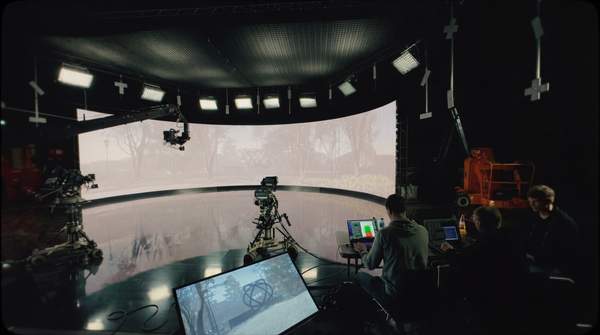
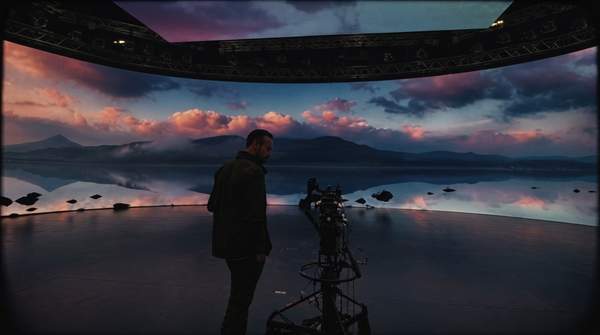
Virtual production combines physical and digital filmmaking techniques in real-time, primarily using LED walls to display digital environments behind actors. Though traditionally large-scale, AI integration makes it more accessible. AI can generate and modify digital environments on the fly, optimize real-time lighting to match physical sets, and power digital extras reacting to live actors. This synergy enables a small crew in one studio to film scenes across multiple, complex locations, avoiding travel costs and logistical challenges.

This technology is ranked for its potential to maximize production value for independent films. It allows filmmakers to create immersive, large-scale worlds that would be impossible to build or secure physically. The HKU announcement on its upcoming AI & Filmmaking Week notes that AI is reshaping every facet of cinema, including production. The main drawback is the initial hardware investment. While costs are decreasing, setting up an LED volume still requires a significant upfront capital expenditure and specialized technical knowledge, which can be a barrier for many independent producers.

  • Best For: Small crews aiming to shoot in multiple or fantastical locations without leaving a studio.
  • Key Attribute: Real-time integration of digital sets with live-action performance.
  • Drawback: High initial cost of hardware and technical setup.

4. AI-Assisted Post-Production — Best for Workflow Efficiency

AI is integrating into post-production beyond visual effects, enhancing editing, color grading, and sound design. AI-driven software analyzes raw footage to suggest edit points, automatically transcribes dialogue, and performs initial color correction based on reference images. For independent filmmakers managing multiple roles, these tools save hundreds of hours; an AI tool, for instance, can quickly sort terabytes of footage to find optimal dialogue takes, a task requiring hours of manual logging for a human editor.

This category excels in workflow efficiency, crucial for projects with tight deadlines and small teams. By automating repetitive, time-consuming tasks, AI allows filmmakers to focus on creative editing and finishing. A key limitation, however, is AI's lack of narrative context; an algorithm identifies technically proficient takes (in focus, clear audio) but misses subtle emotional nuance. Human oversight remains essential for all creative decisions.

  • Best For: Editors and post-production supervisors on indie projects with tight turnaround times.
  • Key Attribute: Automation of repetitive tasks in editing, color, and sound.
  • Drawback: Lacks nuanced understanding of storytelling and emotional performance.

5. AI for Digital Humans and Archival Revival — Best for Niche Storytelling

This emerging AI category creates realistic digital actors and restores/colorizes historical footage. Narrative filmmakers can generate digital characters without hiring actors, while documentarians gain an opportunity to bring history to life. The University of Hong Kong release highlights AI's ability to "help revive history, culture, and education by making the past more accessible and engaging for new audiences." This technology enables storytellers to utilize previously unusable materials or create logistically impossible visuals.

This technology unlocks new forms of storytelling, proving best for filmmakers working on historical documentaries or experimental narratives that require non-traditional characters or source material. A key drawback is the "uncanny valley"—the unsettling feeling audiences experience when a digital human looks almost, but not exactly, real. Furthermore, the ethical implications of creating digital likenesses of real people, living or deceased, are complex and largely unregulated, demanding careful consideration from any filmmaker.

  • Best For: Documentary filmmakers and creators of experimental or animated projects.
  • Key Attribute: Ability to create new visual assets from historical data or pure generation.
  • Drawback: Ethical complexities and the technical challenge of overcoming the uncanny valley.
TechnologyCategory/TypeKey MetricBest For
Generative AI for Pre-ProductionAI-Assisted CreativitySpeed of IterationSolo creators and writers
AI-Powered VFXPost-ProductionCost-to-Quality RatioLow-budget sci-fi/fantasy
AI-Enhanced Virtual ProductionReal-time ProductionImmersive Set CreationSmall crews needing large-scale environments
AI-Assisted Post-ProductionEditing & SoundWorkflow EfficiencyEditors facing tight deadlines
AI for Digital HumansVirtual PerformanceNiche Storytelling PotentialDocumentarians and experimental artists

How We Chose This List

The selections on this list were guided by current industry discussions and academic focus on technologies that democratize the filmmaking process. We prioritized tools and workflows that reportedly lower financial and technical barriers for independent creators, as reflected in conversations at events like the FilMart Forum and the planned curriculum for HKU's AI & Filmmaking Week 2026. The criteria included potential for cost reduction, enhancement of creative scope, and workflow streamlining. Technologies that remain prohibitively expensive or require studio-level infrastructure, even with emerging advancements, were excluded to maintain a focus on accessibility for the independent film community.

The Bottom Line

From a technical standpoint, the emergence of AI-integrated tools represents a significant area of development for independent film production. For filmmakers focused on story development and pre-production, Generative AI offers the most immediate and accessible benefits for rapid ideation. For those aiming to elevate production value and tackle ambitious visual concepts, AI-powered VFX and AI-enhanced virtual production present pathways to achieving results once reserved for major studio budgets.