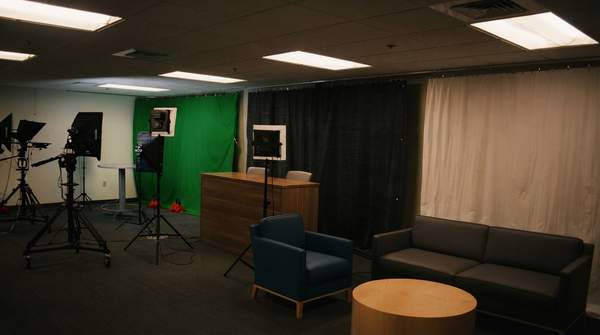
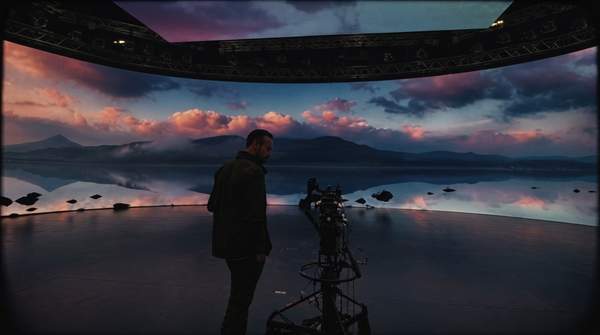
Not long ago, a major publisher's social media strategy was a straightforward, if increasingly challenging, game of funnels. The goal was to post compelling headlines and images on platforms like Facebook and Twitter to lure audiences back to a proprietary website, where content lived and advertising revenue was generated. Today, that model is fundamentally breaking. In a world where more than 200 million people identify as content creators, a new strategy is emerging—one exemplified by publishers like The Washington Post, who are now hiring creators not to drive clicks, but to build an audience and a brand directly within the walled gardens of social video platforms.
What Changed: The End of the Referral Era
The primary catalyst for this strategic pivot is the steady erosion of referral traffic. For years, publishers enjoyed a symbiotic relationship with social media and search platforms; they provided the content that fueled engagement, and in return, the platforms sent back a steady stream of audience traffic. This arrangement is collapsing. The rise of AI-powered search summaries, zero-click results, and platform algorithms that heavily favor native content has severed the link. Users are increasingly consuming information without ever leaving their app of choice.
This shift has created an existential threat for media companies built on the web traffic model. According to a 2026 media and tech report from the Reuters Institute, cited by Digiday, around 70 percent of publisher respondents now fear that creators are actively pulling audiences away from their content. The data suggests that publishers can no longer treat platforms as mere distribution channels for their existing articles. Instead, they must become native participants, competing for attention on platforms where creators, not institutions, have long set the rules of engagement. The imperative is clear: own attention within the platform, or risk becoming invisible.
Creator-Led Video Deals: A New Digital Playbook
Publishers including CNN, Yahoo, The Washington Post, Future, and Bustle Digital Group are reportedly building their own creator networks, shifting from a centralized editorial model to a distributed, talent-led approach. This strategic move represents a profound change in operational structure and content philosophy, directly responding to the evolving media landscape.
Previously, a publisher’s social media team consisted of editors and marketers skilled at repurposing website content. An investigative article would be condensed into a Twitter thread; a feature story would become a photo carousel on Instagram. The primary key performance indicator (KPI) was the click-through rate (CTR), measuring how effectively a post drove traffic back to the publisher's owned-and-operated domain. Success was a user landing on an article page laden with programmatic ads.
The new model, as practiced by organizations like Daily Mail publisher DMG Media, inverts this logic. According to Digiday, DMG Media has hired over two dozen creators onto its payroll since October 2025. This in-house team is tasked with producing 10 to 20 original, platform-native videos daily. The content is not a repurposed article; it is a video conceived for and executed on platforms like TikTok and YouTube. Consequently, the metrics for success have changed entirely. Instead of CTR, the focus is on on-platform views, engagement rates, and audience growth. The reported results from this strategy are telling: creator-led content at DMG Media has generated an average of 250,000 to 300,000 views, a figure that exceeds the performance of their traditional social channels. The goal is no longer to pull an audience away from the platform but to become a dominant voice within it.
| Metric | Traditional Social Model (Before) | In-House Creator Model (Now) |
|---|---|---|
| Primary Goal | Drive referral traffic to owned website | Capture and retain audience attention on-platform |
| Content Source | Repurposed editorial articles | Original, platform-native video |
| Key Personnel | Social Media Managers | On-payroll Content Creators |
| Performance KPI | Click-Through Rate (CTR), Website Sessions | Average Views, Engagement Rate, Audience Growth |
| Reported Performance | Declining referral traffic across the industry | 250,000 - 300,000 average views (DMG Media) |
The New Media Establishment: Winners and Losers
Creators are the primary beneficiaries of this market shift. While the creator economy has often been characterized by precarious, project-based work, an in-house role at a major media company offers stability, a consistent salary, benefits, and access to institutional resources, production support, and established sales teams. This represents a clear path from independent contractor to integrated media professional.
Adaptive publishers are also winning. By internalizing creator talent, they gain an authentic, scalable way to reach younger demographics who are often immune to traditional brand marketing. This strategy also opens up new, lucrative revenue streams. Advertiser spending is rapidly following the audience. According to data from Forbes, U.S. spending on creator partnerships is expected to reach $37 billion, growing roughly four times faster than the broader media industry. By building in-house creator teams, publishers can capture a larger share of this spend, offering advertisers brand-safe, high-engagement campaigns that are co-produced with trusted talent.
Conversely, the losers are those legacy media companies that fail to adapt. Publishers clinging to the hope that referral traffic will return are likely to see their audience and influence continue to wane. The data from the Reuters Institute highlights this risk, with a majority of publishers acknowledging the competitive threat posed by creators. Furthermore, traditional digital advertising models reliant on website banner ads face increasing pressure. As a report from Yahoo Finance notes, creator-driven media is increasingly replacing traditional digital advertising channels. The value is shifting from the destination webpage to the on-platform content itself.
Traditional social media teams within these organizations face displacement as the required skill set evolves from content packaging and distribution to talent scouting, management, and strategy. Those unable to make this transition will find their roles marginalized in the new creator-centric media landscape.
Future of Media: How the Creator Economy Influences Content Strategy
The integration of creators into legacy media is a foundational, long-term restructuring of the industry, not a fleeting trend. The global creator economy, estimated to exceed $250 billion in 2026, is projected to approach $480 billion by 2027, according to Forbes. Some analysts project the market could reach $500 billion by 2030, underscoring its immense economic scale and its role as the future of digital media.
The rise of "Creator TV" is reshaping video and advertising markets, according to a Hub Entertainment Research report noted by insideradio.com. This term describes top-tier creators moving into longer-form, higher-production-value content that rivals traditional television programming. Major media companies are increasingly licensing these creator-led shows to capture younger audiences, blurring the lines between a YouTube star and a network television producer.
The creator role is becoming institutionalized; as one observer noted in Forbes, creators who began as disruptors are now the new establishment, building parallel institutions that shape how audiences, particularly younger ones, consume information and entertainment. Media companies' strategy has shifted from one-off influencer campaigns to building lasting partnerships, licensing intellectual property, and integrating creators into core content development and programming. The future of media will likely be a hybrid model, merging traditional journalism's credibility and rigor with the creator world's authenticity and platform-native fluency.
Key Takeaways
- The strategic shift toward creator-led video deals is a direct response to the collapse of referral traffic from social media and search, forcing publishers to prioritize on-platform audience engagement over website clicks.
- Pioneering publishers like The Washington Post and DMG Media are building in-house creator networks, transforming their content model from repurposing articles to producing original, platform-native video that achieves significantly higher average viewership.
- The creator economy, projected to approach $480 billion by 2027, is fundamentally restructuring media by creating a new establishment where creators are integrated talent, offering them stability and providing publishers with access to new audiences and advertising revenue.
- The emergence of "Creator TV" and major licensing deals signals a market maturation beyond short-form video, indicating that the long-term strategy for media companies will involve deeper integration of creator-led programming into mainstream entertainment.