The character Gollum, a digital marvel in 'The Lord of the Rings,' was a breakthrough for motion capture, paving the way for systems like AXIS that now deliver sub-millimeter precision for VR gaming. The initial breakthrough demonstrated the immense potential for digital characters to achieve unprecedented realism, fundamentally altering expectations for visual effects. The ongoing advancements in motion capture technology in 2026 continue to push fidelity boundaries, creating hyper-accurate tools that enhance interactive digital experiences.
Motion capture technology offers revolutionary efficiency and realism for digital content, but its high cost and technical demands create a significant barrier to entry for many creators. The tension highlights a growing disparity within digital production.
As motion capture systems become more sophisticated and precise, the industry will likely see a widening gap between large-scale productions leveraging cutting-edge tech and smaller creators struggling with accessibility.
What is Motion Capture?
Motion capture technology revolutionizes film, video games, and sports by translating physical motions into digital data, according to Cada-edu. The process digitizes human performance, creating lifelike animated characters. No longer a niche technique, motion capture now forms a foundational element across digital entertainment, offering unparalleled control over digital characters. Creators can imbue them with subtle human nuances, critical for immersive storytelling and pushing realism boundaries in virtual environments.
The Process: From Movement to Digital Data
Motion capture places sensors on an actor, tracking and recording movements mapped onto a virtual skeleton in real time, states Science World. The immediate feedback allows digital translation of performance as it happens. Actors wear full body suits with tracking dots corresponding to CGI model positions. Cameras record these dots to build an animation framework. The sophisticated process forms the technical backbone for digitizing human performance. Real-time mapping fundamentally transforms the creative process, enabling iterative adjustments and immediate feedback unmatched by traditional animation. The approach fosters a fluid, performance-driven approach to digital content.
The High Cost of Realism
High-quality motion capture systems are expensive, according to cada-edu.com. The investment is necessary for the fidelity and accuracy modern audiences demand. The prohibitive cost creates an elite tier of content creators, leaving smaller studios to compromise on quality or fall behind. The financial barrier dictates access to cutting-edge digital realism, limiting broader adoption despite clear benefits.
Boosting Production Efficiency
Motion capture significantly reduces production time compared to traditional animation, cada-edu.com reports. The efficiency accelerates content delivery and represents a fundamental shift in creative workflow. The industry now trends towards performance-driven digital content, moving away from laborious frame-by-frame animation. The speed offers a strategic advantage for studios in a market demanding continuous new content.
Precision in Modern Mo-Cap
What are the latest innovations in motion capture?
Full-body motion tracking systems like AXIS deliver motion tracking with remarkable precision, achieving less than 1mm accuracy to enhance VR gaming immersion, according to AXIS. The level of detail allows for highly realistic and responsive digital avatars, making virtual interactions feel more natural and immersive.
How is AI changing motion capture?
AI algorithms are enhancing motion capture by refining raw data, predicting missing markers, and even generating animations from minimal input, reducing the need for extensive cleanup. The automation streamlines post-production, making the overall process faster and more cost-effective for studios.
What is the future of motion capture in filmmaking?
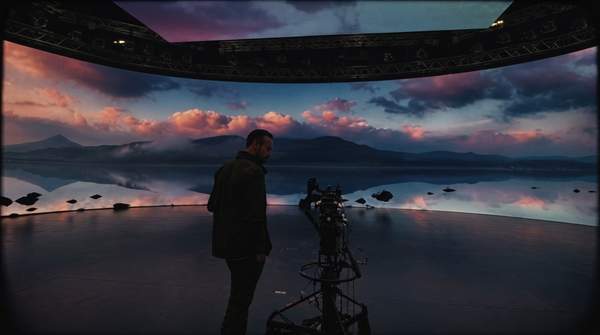
The future of motion capture in filmmaking involves increasingly integrated virtual production workflows, allowing real-time interaction between physical sets and digital environments. Filmmakers can make creative decisions on the fly and visualize final shots with greater accuracy during principal photography.
The Enduring Impact of Digital Performance
With systems like AXIS delivering sub-millimeter precision, the bar for digital realism has been irrevocably raised. Content creators across film, games, and sports must now adopt advanced motion capture or risk less immersive, dynamic productions. By Q3 2026, major game studios will likely standardize sub-millimeter tracking for AAA VR titles, further cementing its role in high-fidelity content creation.