Creators

The Creator-Led Video Content Shift: What It Means for Traditional Media

The rise of creator-led video content has fundamentally rewired how audiences discover, trust, and consume media. This structural economic shift forces traditional media companies to rethink their entire playbook.

TC
Tara Collins

March 31, 2026 · 6 min read

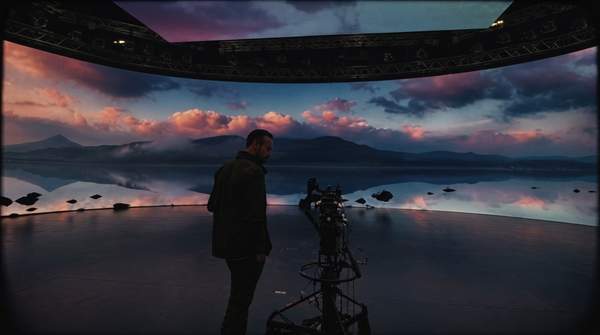
A visually striking image illustrating the evolution of media, showing traditional broadcast elements merging with modern digital creator tools, symbolizing the shift to creator-led content.

Not long ago, audience engagement was measured in prime-time slots and box office weekends. A hit show could capture the attention of a nation for one hour a week. Today, the battle for that attention is waged second by second on an infinite scroll. The rise of creator-led video content has fundamentally rewired how audiences, particularly younger demographics, discover, trust, and consume media. This isn't just a change in format; it's a structural economic shift that is forcing traditional media companies to rethink their entire playbook, from content acquisition to revenue generation.

What Changed: The Social Disruption

The inflection point arrived when social platforms evolved from simple connection tools into full-fledged media ecosystems. This transition was catalyzed by the mainstream adoption of short-form video, led by platforms like TikTok and integrated into services like YouTube Shorts and Instagram Reels. According to a report from National University, these social platforms have effectively disrupted the entertainment industry as a growing number of consumers turn to user-generated content (UGC) over traditional media. The scale of this ecosystem is staggering, with a projection of 5.66 billion social media users worldwide by 2026.

This disruption isn't merely about audience size; it's about a change in behavior. For audiences aged 16 to 34, social networks are now reportedly the primary channel for online brand research. This means the social scroll is outpacing traditional text-based search as the go-to discovery engine for young adults. The power has shifted from institutional gatekeepers to a distributed network of individual creators who have built direct, trust-based relationships with their followers. This new dynamic challenges the core assumptions upon which traditional media empires were built.

How Does Creator Content Impact Traditional Media Models?

The creator-driven reality fundamentally realigns audience attention, trust, and commercial influence, a stark departure from the old media model. This non-incremental shift is critical for creative professionals and media executives navigating the current market.

Previously, media consumption was appointment-based and professionally produced. Audiences organized their time around television schedules and film release dates. The content was polished, heavily marketed, and delivered through a one-to-many broadcast model. Today, consumption is continuous and personalized. The data illustrates a stark generational divide. A report from National University found that Gen Z spends 54% more time per day on social platforms and watching user-generated content than the average consumer. Conversely, they spend 26% less time watching traditional TV and movies. This migration of attention is the primary driver of economic change, as advertising dollars inevitably follow eyeballs.

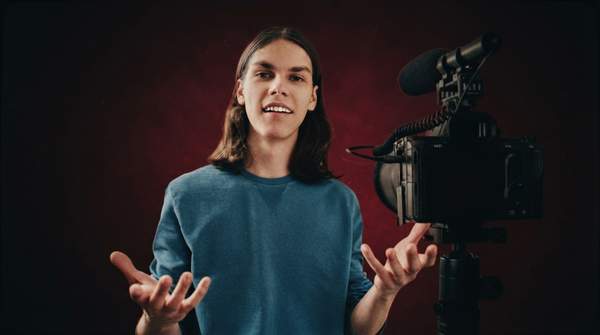
The nature of trust has also been inverted. The high-production value of traditional advertising was once a signal of quality and reliability. Now, it can be perceived as inauthentic, especially by younger audiences conditioned by the raw, direct-to-camera style of their favorite creators. The data is unambiguous: up to 92% of consumers now report trusting word-of-mouth recommendations and user-generated content more than other forms of traditional brand advertising. This erosion of trust in legacy advertising formats directly impacts the revenue models of media companies that rely on selling premium ad space alongside their content.

The shift in trust and attention has direct economic consequences: creators build massive, engaged communities, becoming powerful media channels. A Swell report predicts creator platforms will surpass traditional media in ad revenue, posing both a significant threat and an opportunity for media companies willing to adapt.

The Rise of Creator-Led Video Content: Winners and Losers

The rise of creator-led video content has created new leaders: creators themselves, who transformed personal brands into viable media businesses. They command loyal audiences, drive cultural trends, and wield significant economic influence. Social platforms like YouTube, TikTok, and Instagram, hosting this content, have become new titans of media distribution, capturing vast user attention and advertising revenue.

The sector facing the most significant challenge is traditional media, including linear television, cable networks, and even some established streaming services. Their business models are built on high-cost content acquisition and production, designed to attract a mass audience. However, they are now competing not just with a handful of rival studios but with millions of individual creators for the same limited resource: audience attention. The data on Gen Z's media habits underscores the urgency of this challenge, showing a clear preference for the content and platforms where their peers and favorite creators reside.

Yet, some forward-thinking media players are not treating this as a zero-sum game. Instead, they are positioning themselves as adaptors, seeking to integrate the creator economy into their existing models. A prime example is the free ad-supported streaming TV (FAST) service Tubi. According to a report from StreamTV Insider, Tubi has increased its efforts to tap into creators as part of a content strategy focused on serving passionate fandoms. This includes a partnership with TikTok and the addition of over 16,000 episodes of creator content to its platform in roughly eight months.

This strategy demonstrates an understanding that modern audiences move fluidly between different types of content. Tubi reports that about 10% of its viewers are watching creator content on the platform. While the company notes that most of its audience growth is still driven by traditional Hollywood-made content, its investment in UGC signals a strategic hedge and an attempt to build a more diverse and resilient content library. By creating a home for both professionally produced films and creator-led series, Tubi is attempting to bridge the gap between the old media world and the new.

Strategic Responses for Traditional Media Companies

The central question for media executives is no longer *if* they should respond to the creator economy, but *how*. The path forward isn't about abandoning established strengths but integrating them with new realities. The strategies emerging from companies like Tubi offer a practical blueprint for how traditional media can evolve.

One key strategy is differentiation over imitation. Rather than trying to beat TikTok at its own game, some media companies are doubling down on what they do best. Tubi CEO Anjali Sud explicitly stated this approach, confirming the company is committed to long-form content and is "not getting into shorts." This is a crucial strategic decision. It recognizes that the company's value proposition lies in offering a different, more immersive viewing experience than the quick-hit format of social video. The goal is not to replace the social scroll but to complement it.

Another vital response is to embrace niche audiences. The old broadcast model chased a monolithic mass market. The new media model, as articulated by Sud, is about helping "every story find its fandom." This philosophy has guided Tubi in producing 400 original movies, some in collaboration with creators, designed to cater to passionate, underserved genres. This approach aligns perfectly with the creator economy, which is built on individuals connecting deeply with specific communities around shared interests. For traditional media, this means shifting from a blockbuster-or-bust mentality to cultivating a portfolio of content that serves dedicated fan bases.

Finally, partnership is paramount. The competitive landscape now includes all video ecosystems, from paid subscription services to social platforms. Viewing creators and their platforms as partners rather than purely as competitors opens up new avenues for content acquisition, co-production, and cross-promotion. Tubi's TikTok partnership is a clear example of this, creating a pipeline for proven digital talent and content to find a new audience in a long-form, ad-supported environment. As the media and entertainment industry continues its transformation toward 2026, as outlined in outlooks from firms like Deloitte, this kind of strategic collaboration will become a defining feature of successful media companies.

Key Takeaways

  • Audience Habits Have Fundamentally Changed: Younger audiences, particularly Gen Z, spend significantly more time with user-generated content on social platforms than with traditional TV and movies. This is not a fleeting trend but a durable shift in media consumption.
  • Trust Is the New Currency: Consumers report trusting recommendations from creators and peers far more than traditional advertising. This requires a shift from brand-centric messaging to community-centric engagement and authentic partnerships.
  • The Competitive Field Has Expanded: Traditional media companies are no longer just competing with other studios. Their competition for attention now includes every creator with a smartphone, making the media landscape more fragmented and dynamic than ever.
  • Adaptation Requires Integration and Differentiation: The most promising strategy for legacy media is not to try to replicate short-form social video but to integrate creator talent and content into their existing long-form models while focusing on serving niche fandoms.