Gossip Goblin, Zack London's AI filmmaking outfit, has already amassed over 500 million views, signaling immediate and massive audience demand for AI-generated content, according to The Guardian. Rapid viewership confirms a significant shift in content consumption patterns in 2026, driven by AI filmmaking software. While traditional filmmaking demands extensive resources and location-dependent operations, AI now enables high-volume content creation with minimal physical footprint and unprecedented speed. The entertainment industry faces a radical restructuring where AI-driven efficiency will dictate production pipelines. TrueShort, an AI vertical film startup for mobile phones, secured $12 million in seed funding, according to Business Insider, reinforcing this trend. Together, these ventures demonstrate AI's dual impact: attracting vast audiences and drawing significant investment, accelerating the industry's pivot towards AI-centric production models.
Reshaping Studio Infrastructure and Production Logistics
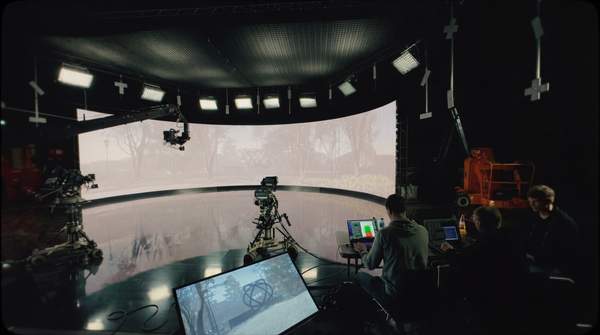
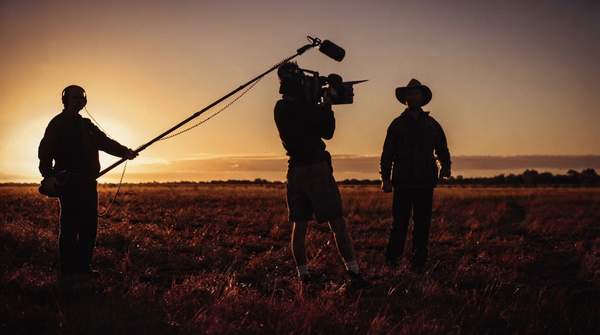
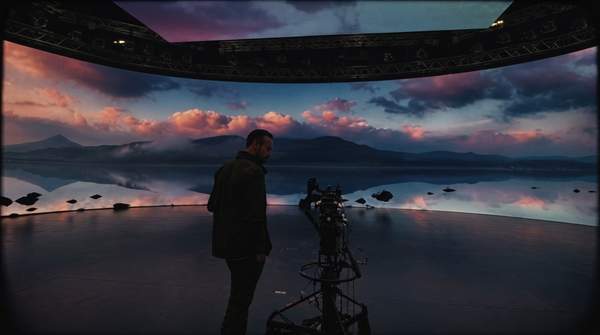
Pinewood Studios, a traditional filmmaking icon, will build an AI datacentre instead of new physical studios, according to The Guardian. Pinewood Studios' decision confirms the future of film production infrastructure is digital, not physical, compelling traditional studios to redefine their assets or risk obsolescence. Yet, Jon Erwin's ‘The Old Stories: Moses’ still employed a 100-person crew on a Los Angeles studio lot, even with AI generating architecture, desert locations, and supernatural elements, according to the Los Angeles Times. The continued employment of a 100-person crew on Jon Erwin's ‘The Old Stories: Moses’ suggests a hybrid transition: infrastructure shifts digital, but human and physical production elements remain relevant, for now.
The Engine of Hyper-Efficient Content Creation
Filmmakers now generate assets in three to four days, a sharp reduction from the traditional 10 weeks, allowing environment creation during active shooting, according to the Los Angeles Times. The accelerated process of generating assets in three to four days enables faster iteration and reduced logistical overhead. ‘The Old Stories: Moses’ exemplifies this efficiency, completing filming in one week with a 100-person crew, entirely within Los Angeles, according to the Los Angeles Times. AI's capacity to streamline and accelerate filmmaking makes rapid content generation feasible, fundamentally altering production timelines. For more, see our AI's Growing Role Film Production.