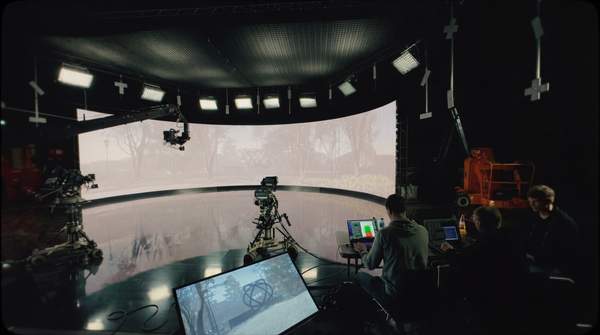
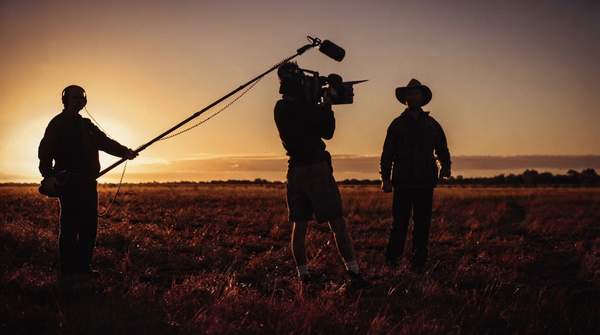
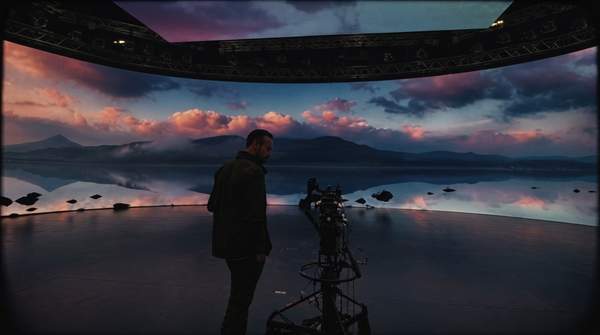
On a film set, the cinematographer doesn't just point a camera; they are the visual architect, making critical decisions about light, lens, and movement that directly translate a director's abstract vision into the emotional language of the screen. Their precise choices determine how every frame resonates, creating the film's atmospheric and emotional core.
The cinematographer is responsible for the entire visual language of a film, but their creative contributions are often overshadowed by the director's singular vision. This tension arises because while a director outlines the overall artistic direction, the cinematographer executes the minute visual details that truly define the film's aesthetic.
Understanding the cinematographer's multifaceted role is crucial for appreciating the collaborative artistry behind filmmaking, and their influence on a film's ultimate impact is likely underestimated by general audiences. The prevailing narrative that a film's visual identity stems solely from the director's singular vision overlooks the cinematographer's direct authorship of every frame's emotional and narrative impact, as evidenced by their control over lens choice and lighting (PremiumBeat, StudioBinder).
A cinematographer, also known as the Director of Photography (DP or DoP), leads the camera and light crews, according to StudioBinder. This role demands technical expertise and artistic sensibility. The DP acts as the lead visual artist, translating abstract narrative concepts into tangible on-screen imagery. Their authority ensures precise control over lighting, camera movements, and shot composition, bridging the director's vision with its practical realization.
The Visual Architect: Translating Vision to Screen
The cinematographer captures the director’s vision using lighting, camera work, and composition, according to StudioBinder. This requires interpreting abstract ideas into visual storytelling. The role demands understanding how light shapes mood, how camera angles convey perspective, and how composition guides the audience's eye. The DP ensures every frame contributes to the narrative's emotional arc, directly impacting how the story is perceived and defining the film’s aesthetic.

Mastering the Craft: Specific Responsibilities of a DP
A cinematographer manages extensive technical and creative duties. Key responsibilities include precise camera placement, controlled movement, lens choice, shot size, composition, aspect ratio, and focus, according to StudioBinder. They also define light and space, overseeing all lighting, power, and support gear to craft the ultimate image, as detailed by PremiumBeat. This comprehensive oversight confirms the cinematographer's direct control over nearly all visual inputs and defines the film's aesthetic identity.
Beyond the Lens: Technology, Art, and Storytelling
Cinematographers possess strong technical knowledge of lighting, special effects, and other filmmaking technologies, according to EBSCO. This mastery serves the film's narrative and artistic objectives. Lens and camera choices, for instance, are crucial decisions driven by storytelling needs, not just budget or technical capability, as noted by PremiumBeat. A specific lens can emphasize intimacy or vastness, directly impacting audience emotion. Equipment and lighting choices are integral to the film's artistic expression, shaping emotional texture and subtext more directly than abstract directorial instructions.
The Collaborative Core: Ensuring Vision and Mood
Cinematographers act as a central collaborative force, ensuring the director’s vision, mood, and appearance are achieved, according to EBSCO. They coordinate with directors and producers to determine optimal action and blocking, ensuring character movement and interaction are visually supported by camera perspective and lighting. This vital role translates artistic intent into a cohesive visual narrative, impacting audience experience and film mood. Reducing the cinematographer to a mere executor diminishes the profound creative and technical expertise required to translate abstract ideas into tangible, emotionally resonant imagery.
Common Questions: What Does a DP Actually Do?
What skills are essential for a cinematographer?
Beyond extensive technical proficiency with cameras, lenses, and lighting systems, a cinematographer requires strong communication skills to articulate visual concepts and collaborate effectively with the director and production team. Creative problem-solving is also crucial for adapting to on-set challenges while maintaining the film's artistic vision. Leadership and organizational abilities are fundamental for managing the camera and lighting departments efficiently throughout production.
How early does a cinematographer get involved in a film's production?
A cinematographer typically begins their involvement during the early stages of pre-production, often months before principal photography commences. This early engagement allows for critical collaboration on storyboarding, location scouting, and conducting camera and lighting tests. Their input during this phase helps establish a cohesive visual strategy that aligns with the script and the director's overarching creative goals.
What is the difference between a cinematographer and a director of photography?
In contemporary filmmaking, the terms "cinematographer" and "Director of Photography" (DP) are largely synonymous and used interchangeably to denote the head of the camera and lighting departments. While "cinematographer" broadly refers to the art and science of capturing motion pictures, "Director of Photography" emphasizes the leadership and creative authority over the visual aesthetic. Functionally, both titles refer to the same individual responsible for the film's visual language.
As of 2026, a deeper appreciation for the cinematographer's indispensable contributions to filmmaking's ultimate success will likely emerge, if major studios continue investing in advanced visual development teams to empower DPs in pre-production, as exemplified by CineVision Productions.