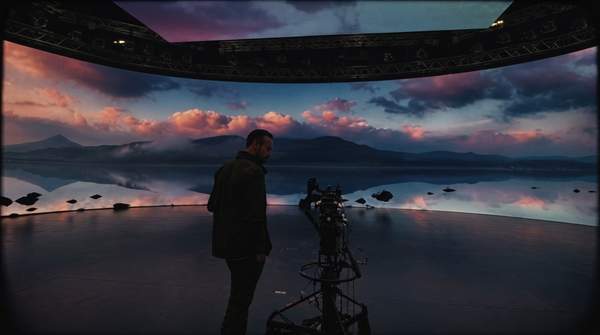
Have you ever felt a sense of unease in a thriller before anything has happened, or a wave of nostalgia in a drama from a single shot? This emotional guidance is no accident. The cinematographer's role in filmmaking visual style is central to this experience, serving as the bridge between a director's abstract vision and the tangible images that appear on screen. A cinematographer can visually participate in the storytelling process, crafting a silent narrative of light, color, and composition that speaks directly to the audience. This collaboration is where the soul of a film's look is born.
What Is a Cinematographer's Role in Filmmaking?
A cinematographer, also known as the Director of Photography (DP), is the creative leader responsible for capturing a screenplay on film or digital media through the artful and technical application of lighting and camera work. They are the head of the camera and lighting departments, tasked with translating the director's vision into a cohesive and compelling visual language. This role is far more than simply operating a camera; it is a deep artistic partnership that defines a production's mood, tone, and overall aesthetic. From a technical standpoint, the DP makes crucial decisions about lenses, camera systems, lighting schemes, and shot composition.
Ultimately, the cinematographer is a visual storyteller. Working in close collaboration with the director, they use their expertise to ensure that every frame serves the narrative. They decide how to light a scene to evoke happiness or dread, where to place the camera to make a character feel powerful or vulnerable, and what color palette will best reflect the story's emotional core. The key takeaway here is that the cinematographer's work is a foundational element of the filmmaking process, shaping how an audience perceives and connects with the story on a subconscious level.
How Cinematographers Establish a Film's Visual Style: Step by Step
The process of creating a film's visual style is a structured and highly collaborative effort. It begins long before the cameras roll and involves a series of deliberate creative and technical decisions. Let's dive into the specifics of how a cinematographer and director work together to build a visual world from the ground up.
- Step 1: Script Breakdown and Conceptualization
The first step for any cinematographer is a deep reading and analysis of the script. This goes beyond understanding the plot and dialogue. The DP is looking for the subtext, the underlying themes, and the emotional arcs of the characters. During this phase, they identify key moments, tonal shifts, and opportunities for visual expression. This is where initial ideas for the film's "look" begin to form. The cinematographer might create a document outlining their initial thoughts on mood, color, and potential camera techniques that align with the story's core message. They ask critical questions: Is this a gritty, realistic story or a stylized, dreamlike one? What is the main character's internal state, and how can the camera reflect it?
- Step 2: The Director-DP Collaboration and Pre-Visualization
With a foundational understanding of the script, the cinematographer enters a crucial period of collaboration with the director. This is where a shared visual language is established. These conversations involve creating lookbooks, which are collections of images from paintings, photographs, and other films that serve as visual references. They might watch movies together to discuss specific lighting styles or camera movements. According to a guide from the Utah Film Center, the director's use of shots and camera movements directly affects how the audience thinks and feels about the subject. Therefore, these early discussions are vital for ensuring both creative leads are aligned on how to manipulate the audience's emotional response through visual means.
- Step 3: Designing the Shot Composition and Camera Movement
Once a conceptual framework is in place, the team moves to the practical application of designing shots. The director and DP work together to create a shot list, which details every camera setup required for a scene. This involves selecting shot sizes—such as wide shots to establish a location, medium shots for dialogue, and close-ups to emphasize emotion. The director uses these different shots and camera movements to convey specific feelings. For example, a low-angle shot can make a character appear dominant and powerful, while a high-angle shot can make them seem small and vulnerable. Camera movement is also planned meticulously. A smooth dolly shot might create a feeling of grace or inevitability, whereas a frantic handheld camera can instill a sense of chaos and urgency.
- Step 4: Crafting the Lighting Philosophy
Lighting is arguably the most powerful tool in a cinematographer's arsenal for creating mood. The lighting scheme is designed to support the emotional tone of each scene. A common approach is three-point lighting (key, fill, and back light), but the DP will modify this endlessly to achieve a specific effect. High-key lighting, characterized by bright, even illumination and low contrast, is often used for comedies or upbeat scenes. Conversely, low-key lighting uses deep shadows and high contrast to create a sense of drama, mystery, or fear, a technique common in film noir and thrillers. For Guillermo del Toro's Hellboy, the creative team aimed for a dark, comic-book-inspired visual style, using hard shadows and pools of light to craft a moody, supernatural atmosphere.
- Step 5: Implementing a Deliberate Color Palette
Color theory plays a significant role in the visual style of a film. The cinematographer, in collaboration with the director and production designer, develops a color palette that reinforces the story's themes. Different colors are known to evoke specific emotions and psychological responses in viewers. A film might use a warm palette of reds, oranges, and yellows to convey passion, comfort, or energy. In contrast, a cool palette of blues, greens, and grays can suggest sadness, isolation, or calm. Sometimes, a single, potent color is used symbolically throughout a film to draw attention to a key object or idea. This palette is implemented through set design, costumes, lighting gels, and post-production color grading to ensure a consistent and meaningful visual experience.
- Step 6: Creating Visual Metaphors for Storytelling
Beyond the technical execution, a key part of the cinematographer's role is to visually participate in the storytelling process. One powerful way they achieve this is by creating visual metaphors—using an image or composition to represent a larger idea or emotional state. As noted in a paper available through CORE, cinematographers create necessary information through these visual metaphors. For instance, framing a character behind a window with rain streaming down can visually represent their sadness or isolation. Placing a character in a vast, empty landscape can emphasize their loneliness. These subtle choices add layers of meaning to the narrative, communicating complex ideas without a single word of dialogue.
Common Mistakes in Understanding the Cinematographer's Role
The work of a cinematographer is often misunderstood by those outside the industry. Clarifying these points can help aspiring filmmakers and film enthusiasts better appreciate the craft.
- Mistake: The cinematographer just points and shoots. This is a significant oversimplification. The DP is the head of a large department and a key creative collaborator. They design the entire visual schema of the film, from lighting and lens choice to composition and camera motion, making artistic decisions that profoundly impact the story.
- Mistake: The film's look is primarily created in post-production. While color grading is a crucial final step, it serves to enhance the visual foundation established during principal photography. The core elements of the image—the quality of light, the depth of field, the texture, and the composition—are all captured on set. Post-production cannot fix poor lighting or a weak composition.
- Mistake: The director dictates every single creative choice. Filmmaking is a collaborative art form. While the director holds the ultimate creative authority, the relationship with the cinematographer is a partnership. A great DP brings their own artistic sensibilities and technical expertise, often proposing shots and solutions that elevate the director's initial vision.
Key Responsibilities of a Cinematographer in Filmmaking
For those who want to understand the role more deeply, it's important to recognize the breadth of responsibilities that fall under the DP's purview. These go beyond the purely artistic and into the highly technical and managerial.
Lens and Camera Selection: The choice of camera and lenses fundamentally shapes every frame. Cinematographers must understand the subtle differences between various camera sensors (digital vs. film, large format vs. Super 35) and how they render color, light, and texture. Lens selection is equally critical: a wide-angle lens exaggerates depth, creating immersion or distortion, while a telephoto lens compresses backgrounds and isolates subjects. The choice between a zoom lens and a prime lens (a lens with a fixed focal length) affects image quality and on-set workflow.
Leading the Camera and Lighting Crews: As a department head, the DP manages a large team. They oversee the gaffer (chief lighting technician) and their team of electricians, who physically place and power the lights. They also manage the key grip, who is responsible for equipment that supports and moves the camera. On set, the DP communicates the lighting plan and shot composition to the camera operator, focus puller (1st AC), and other camera team members, ensuring everyone works in unison to achieve the desired visual.
Inter-departmental Collaboration: A film's visual style requires close collaboration. The cinematographer works with several other department heads to create a unified aesthetic. After the director, the production designer is a key collaborator, responsible for sets, props, and the film's overall color scheme. The DP and production designer must maintain constant communication, ensuring sets are designed for effective lighting and that their color palettes are complementary. This collaboration extends to costume designers and hair and makeup teams, whose choices directly impact how characters appear under lights and on camera.
Frequently Asked Questions
What is the difference between a cinematographer and a director?
The director is the ultimate creative authority on a film, responsible for overseeing all aspects of the production, including actor performances, story pacing, and editing. The cinematographer is the director's chief visual collaborator, responsible for translating the director's narrative vision into a concrete visual reality. While the director guides the story, the cinematographer executes the look and feel of that story through camera and lighting.
How does a cinematographer use color to tell a story?
A cinematographer uses color to evoke specific moods and guide the audience's emotional response. As confirmed by principles of color theory, different hues carry psychological weight. For instance, a DP might use a desaturated, monochromatic color palette to represent a character's depression or an oppressive society. Conversely, they might transition to a vibrant, saturated palette to signify a moment of joy, freedom, or fantasy. This deliberate use of color adds a subconscious layer of information for the viewer.
Does a cinematographer operate the camera?
On smaller productions, the cinematographer may also be the camera operator. However, on larger film sets, these are typically two distinct roles. The cinematographer designs the shot and the lighting, making decisions from behind the monitor, while the camera operator is responsible for the physical handling of the camera to execute the planned shot. This division of labor allows the DP to focus on the overall visual integrity of the scene.
The Bottom Line
The cinematographer is an essential artist and technician in the filmmaking process, a storyteller who wields light and shadow. Their role balances creative vision, technical mastery, and collaborative leadership to translate a director's ideas into the powerful images that define a film. Every choice, from the lens to the color palette, is a deliberate act of storytelling that shapes our emotional journey through the narrative.