Production

7 Innovative Camera Techniques Influencing Modern Filmmaking

Explore seven innovative camera techniques, from foundational principles to cutting-edge robotics, that define modern filmmaking. This guide is for filmmakers and students seeking to understand tools that enhance narrative.

VR
Victor Ren

April 8, 2026 · 8 min read

A futuristic robotic camera arm with an advanced lens, positioned on a film set, capturing a scene with dramatic lighting, symbolizing innovative filmmaking techniques.

This guide details seven pivotal camera techniques defining modern filmmaking and visual storytelling. From foundational principles that shaped cinematic language to cutting-edge robotics, these techniques continue to define how stories are told on screen. Filmmakers, cinema students, and technical artists seeking narrative-enhancing tools will find this list useful. Techniques are evaluated based on their historical significance, storytelling function, and adoption in contemporary production workflows.

Techniques are ranked by their influence on cinematic grammar and their role in solving modern production challenges, from creating emotional intimacy to enabling complex virtual productions.

1. AI-Powered Autonomous Framing — For Unparalleled Live Tracking

AI-powered autonomous framing, a significant step in camera robotics, uses computer vision algorithms to identify and track a subject, automatically adjusting pan, tilt, and zoom for correct composition. This tool suits environments with fluid, unpredictable movement, such as live sports, awards shows, or broadcast news. For example, cinematography.world reports Mark Roberts Motion Control (MRMC) will showcase LiveTrack AI, enabling robotic cameras to maintain autonomous, cinematic framing of moving subjects in real-time.

This technique ranks above other robotic solutions because of its intelligent adaptability. The system doesn't just lock onto a target; cinematography.world reports that LiveTrack AI can blend its automated corrections with a robot's pre-programmed path. This preserves the director's intended camera move while seamlessly compensating for an actor or presenter who might miss their mark. The primary limitation is a potential over-reliance on the technology, which could lead to a loss of the subtle, intuitive adjustments a human operator provides. It is best suited for broadcast professionals and live event crews who need to capture predictable action with high precision and repeatability, reducing the potential for human error in complex multi-camera setups.

2. Real-Time Positional Data (FreeD) — For Seamless Virtual Production

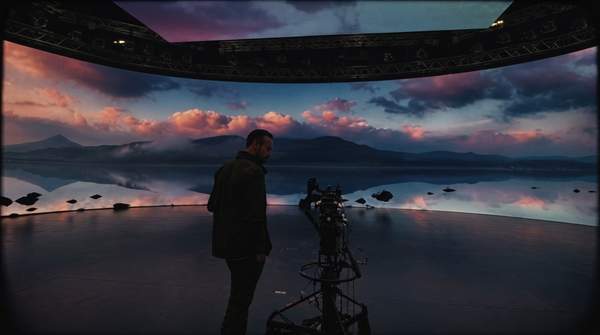
FreeD tracking is the critical element for virtual production, which blends live-action footage with computer-generated environments in real-time. This protocol allows camera support systems—like pedestals or cranes—to output a constant stream of positional and orientation data (XYZ coordinates) and lens information (pan, tilt, zoom, focus). This data feed enables the virtual background on an LED wall to shift its perspective in perfect sync with the physical camera's movement, creating a flawless illusion of depth and parallax.
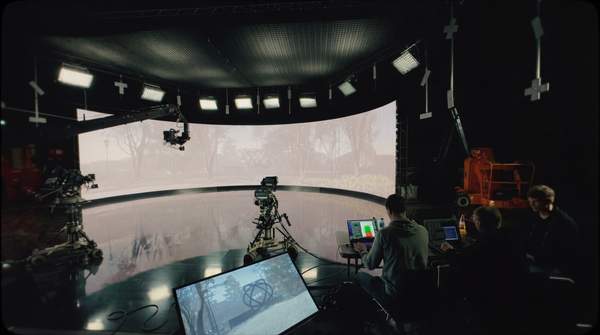
This technique is indispensable for any production utilizing LED volumes or extensive augmented reality (AR) overlays. Its advantage over older tracking methods is its integration directly into camera support hardware, providing a robust and reliable data stream. For instance, MRMC will debut FreeD tracking capabilities for its Roaming Pedestal System, as mentioned by cinematography.world. The main drawback is the high barrier to entry; it requires a significant investment in compatible hardware, LED stages, and powerful real-time rendering engines like Unreal Engine. This technique is best for high-end television productions, commercial studios, and feature films that are building digital worlds and need to capture in-camera visual effects.

3. Robotic Motion Control Systems — For Perfect Repeatability

Robotic motion control mounts a camera on a robotic arm to execute pre-programmed moves with absolute precision. This allows filmmakers to repeat the exact same camera path multiple times, essential for complex visual effects shots. For instance, a director can film a clean background plate, then film an actor on a green screen with the identical camera move in a separate pass, ensuring perfect compositing. While a staple of effects-heavy filmmaking for decades, modern systems offer greater speed, portability, and programming simplicity.

Motion control earns its high ranking due to its foundational role in modern VFX and its expanding use in other areas like high-speed cinematography and product commercials. It offers a level of precision that is physically impossible for a human operator to achieve. The primary limitation is that its movements can sometimes feel unnaturally smooth or "robotic" if not programmed with subtle imperfections. Furthermore, the setup and programming time can be considerable, making it less suitable for productions that require spontaneity. It is best for visual effects supervisors and commercial directors who need to create layered, technically complex shots that require flawless integration of multiple visual elements.

4. Custom-Engineered Large-Format Film Cameras — For Maximum Immersion

In an industry dominated by digital capture, the use of large-format film, particularly IMAX 70mm, is a technique dedicated to achieving the highest possible image quality and theatrical immersion. This approach involves not just using existing film stock but actively developing new camera hardware to overcome historical limitations. A recent example is Christopher Nolan’s film "The Odyssey," which, according to a report from artthreat.net, was the first theatrical blockbuster shot entirely on IMAX film cameras. Nolan reportedly worked with IMAX to engineer brand-new cameras for the production.

This technique is ranked for its commitment to photochemical artistry and its ability to deliver an unparalleled viewing experience in a premium format. The artthreat.net report states newly developed cameras are 30 percent quieter and more lightweight, addressing two major complaints about legacy IMAX hardware. Its drawback is prohibitive cost and complexity; the same source notes over 2 million feet of IMAX 70mm film was shot for "The Odyssey." This technique is exclusively for top-tier directors and studios with substantial budgets prioritizing the unique aesthetic and resolution of analog film for major theatrical events. For more on literary adaptations, see our ranking of the best film adaptations of classic literature.

5. The Close-Up — For Directing Audience Emotion

The close-up is a foundational camera technique where the camera is positioned to tightly frame a person's face or a specific object. Its function is to direct the audience's attention and emphasize the emotional state of a character or the significance of a detail. While it seems simple, its introduction to cinema was revolutionary. According to historical analyses from sources like Britannica, early filmmakers like D.W. Griffith are often credited with popularizing the close-up as a narrative tool, moving beyond the static, stage-like wide shots that characterized the earliest films.

The close-up creates intimacy and psychological connection between the audience and character, making it a cornerstone of visual storytelling. It ranks below more modern techniques due to its lack of technological complexity, but its influence is arguably greater. Overuse is its main limitation, potentially feeling manipulative or visually monotonous and diminishing the impact of wider, contextualizing shots. This technique is essential for every narrative director, from independent filmmakers to blockbuster creators, needing to convey a character's internal state.

6. Parallel Editing (Cross-Cutting) — For Building Narrative Tension

Parallel editing, also known as cross-cutting, is a technique where a film alternates between two or more scenes happening in different locations, often at the same time. By cutting back and forth between these separate lines of action, a filmmaker can create a sense of connection, contrast, or, most famously, suspense. The audience is shown multiple perspectives on an unfolding event, and the increasing pace of the cuts can build tension toward a climax where the storylines converge. This technique forces the audience to become an active participant, piecing together the relationship between the separate scenes.

Pioneered by early filmmakers like Edwin S. Porter, as noted by Britannica, this narrative device was refined to create propulsive, tension-filled sequences common in modern thrillers and action films. While purely editorial, it is planned and executed with specific camera coverage during production, profoundly impacting film structure and pacing. Its primary drawback: unclear connections between cross-cut scenes can confuse the audience. This is a vital tool for screenwriters and directors working in suspense genres like thrillers, action films, and dramas.

7. In-Camera Special Effects — For Practical Ingenuity

Long before the advent of digital computer-generated imagery (CGI), visual trickery was achieved practically, right inside the camera. Techniques like forced perspective, where objects are placed at different distances from the camera to appear smaller or larger than they are, or stop-motion animation, where an object is moved in small increments between individually photographed frames, were the bedrock of fantasy and science-fiction filmmaking. Pioneers like Georges Méliès used techniques such as multiple exposures (exposing the same piece of film more than once) to create magical effects.

Despite digital effects becoming standard, many directors still favor practical, in-camera effects for their tangible, grounded feel, valued for historical importance and creative problem-solving. These techniques are labor-intensive and require meticulous planning; mistakes are harder to fix than flawed digital renders. This approach suits art directors, production designers, and hands-on filmmakers who enjoy creating illusions practically on set, a philosophy informing many emerging technologies in independent film.

TechniqueCategory/TypeKey FeatureBest For
AI-Powered Autonomous FramingRobotics / AIReal-time autonomous subject trackingLive broadcast and sports
Real-Time Positional Data (FreeD)Virtual ProductionLive XYZ and PTZF data outputProductions using LED walls and AR
Robotic Motion ControlRobotics / VFXPerfectly repeatable camera movesComplex visual effects shots
Custom-Engineered Large-Format Film CamerasAnalog CinematographyHighest possible image resolutionImmersive, premium theatrical releases
The Close-UpShot Type / NarrativeConveys character emotion and detailVirtually all narrative filmmaking
Parallel EditingEditing / NarrativeBuilds suspense by showing multiple actionsThrillers and action sequences
In-Camera Special EffectsPractical EffectsPhysical, on-set visual trickeryFilmmakers seeking a tangible aesthetic

How We Chose This List

These seven techniques were selected based on historical influence and contemporary technological relevance. The list honors foundational cinematic language, like the close-up and parallel editing, which remain vital, while including cutting-edge technologies in robotics, AI, and virtual production shaping modern film and broadcast workflows. Techniques represent different filmmaking stages, from on-set capture to visual effects integration. Purely post-production techniques (e.g., digital color grading, CGI modeling) were excluded to maintain a focus on camera-centric innovations.

The Bottom Line

In live broadcast, AI-powered framing and real-time data are indispensable for professionals seeking efficiency and precision. Yet, directors crafting powerful, immersive cinematic events still rely on custom-engineered large-format cameras, demonstrating a continued commitment to photochemical film. This divergence in camera techniques—from cutting-edge AI to traditional film—underscores the varied demands of visual storytelling, enabling filmmakers to make informed and creative choices tailored to their project's scale and budget.