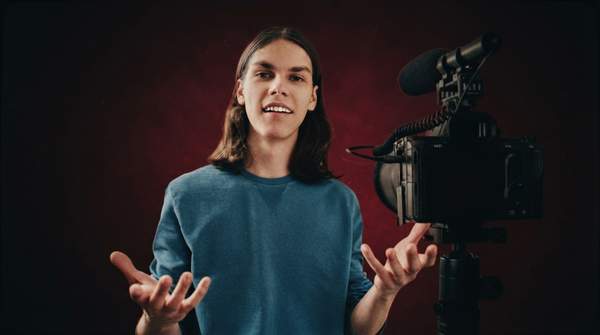
A decade ago, the idea of a traditional newsroom paying a monthly stipend to an independent video creator would have seemed foreign. The flow of influence was clear: established media outlets were the primary gatekeepers of information. Today, the impact of creator-led video deals in traditional newsrooms and digital media is undeniable, a shift crystallized by Meta's recent launch of its Creator Fast Track program. This initiative, designed to attract top talent to Facebook, is more than just a new funding opportunity; it’s a clear signal that the power dynamic between institutions and individual creators has fundamentally changed. For creative professionals, understanding this evolving landscape is no longer optional—it’s essential for navigating the future of content and commerce.
What Changed: The Audience Followed Creators, and Money Followed the Audience
The pivot toward creator-led content wasn't a single event but a gradual, decisive shift in audience behavior. The old model, where audiences aggregated around a few central broadcast and print channels, began to break as consumption habits fragmented across countless digital platforms. This trend has now reached a critical inflection point, with creator-driven content competing directly with—and often winning against—legacy media. The data paints a clear picture of this new reality. According to a report from tvtechnology.com, weekly viewing of traditional TV and movies has declined by two hours since 2022, dropping from 21 to 19 hours. During that same period, viewing of social and creator video has held strong at approximately 11 hours per week.
This isn't just a battle for spare time; it's a realignment of what viewers consider primetime entertainment. The same report notes that YouTube has consistently topped Nielsen's TV viewing charts since 2024, a milestone that underscores the platform's dominance. This shift is not confined to younger demographics. While creators have long held sway with Gen Z, the appeal of their content is broadening, with viewing growing stronger among audiences over 35. The catalyst for the industry’s change is this sustained migration of attention. Platforms and media companies recognize that they can no longer expect audiences to come to them. Instead, they must go to where the audiences already are: following the creators they trust.
How Creator-Led Video Deals Impact News Monetization Strategies
The integration of creators has forced a complete rethinking of how digital media and news organizations generate revenue. The financial models that sustained newsrooms for decades are being augmented and, in some cases, replaced by strategies built around the creator economy. This represents a significant departure from past practices, moving from a centralized, institution-first approach to a distributed, creator-centric one. Let's break down the key steps in this transformation and how you can apply this thinking to your own workflow.
Previously, a newsroom's monetization strategy was straightforward. Revenue came from a combination of print or digital subscriptions, on-site display advertising, and, for larger outlets, broadcast fees. Content creation was an in-house function performed by staff journalists and a small pool of trusted freelancers. Now, that model is evolving into a hybrid system where direct investment in external talent is a core component of the business plan. This is where programs like Meta’s new initiative become so significant. The Creator Fast Track program, as detailed by pulse2.com, offers guaranteed monthly payments—$1,000 for creators with over 100,000 followers and up to $3,000 for those with over one million—to establish a presence on Facebook. It’s a direct investment designed to lure proven talent from competitors like TikTok and YouTube.
This strategy is backed by massive capital. According to one report, Facebook paid nearly $3 billion to content creators in 2025, a figure representing a 35% increase year-over-year. This spending reflects a broader trend where creators themselves are becoming sophisticated financial entities. According to the Los Angeles Times, creators are increasingly viewed as autonomous media businesses, diversifying their revenue far beyond simple ad-share agreements to include subscription platforms, direct fan monetization, live commerce, and branded product lines. The table below illustrates the structural differences between the old and new monetization frameworks.
| Metric | Traditional Newsroom Model (Before) | Creator-Led Hybrid Model (Now) |
|---|---|---|
| Primary Revenue Sources | Display Ads, Subscriptions | Diversified: Ads, Subscriptions, Direct Creator Payouts, Branded Content |
| Content Creators | Staff Journalists, Freelancers | Staff Journalists + Independent Creators/Influencers |
| Audience Engagement | Owned & Operated Platforms (e.g., website) | Owned Platforms + Distributed Social Networks (via creators) |
| Trust Metric | Institutional Brand Trust | Institutional Trust + Individual Creator Trust |
Why Are Traditional Newsrooms Partnering with Video Creators?
For traditional newsrooms, the turn toward creator partnerships is a strategic move driven by necessity. Faced with declining institutional trust and shrinking organizational capacity, many outlets see collaboration as a vital tool for survival and growth. The primary benefit is access. Creators offer a direct channel to specific, highly engaged communities that are often difficult for legacy media to reach, particularly younger audiences. Data from Pew Research, cited by the American Press Institute (API), shows that nearly four in 10 adults under 30 get their news from influencers. Partnering with these established voices allows newsrooms to re-introduce their journalism to a generation that has largely tuned them out.
This shift creates a new set of winners. Independent creators are clear beneficiaries, gaining financial stability through programs like Meta's, as well as the legitimacy and resources that come with institutional partnerships. Many are securing high-profile studio deals that rival or surpass those of traditional producers. The platforms themselves win by attracting and retaining the talent that draws in billions of viewers, solidifying their position as the new media titans. Newsrooms that successfully adapt also win, finding new avenues for audience growth and impact.
However, this transition also creates challenges. Traditional roles within a newsroom are being displaced or forced to evolve. The skills required are shifting from pure content creation to partnership management, data analysis, and community engagement. Legacy media outlets that fail to adapt risk becoming obsolete, losing their audience to more nimble digital-native competitors. The American Press Institute, which has guided newsrooms through these experiments, emphasizes that success is not guaranteed. Their work with a cohort of 16 newsrooms revealed that effective collaborations are built on a foundation of mutual respect, a willingness to share editorial control, and an understanding that creators can reach audiences in ways that institutions cannot.
The Evolving Role of Digital Media Trends with Creator Content
Looking ahead, the integration of creators into the broader media ecosystem is set to deepen. The market is moving beyond tentative experiments and into a phase of professionalization and maturity. For you, as a creative professional, this means the standards for success and the nature of opportunity are changing. Creator marketing is no longer a fringe tactic but a core growth engine where investment decisions are driven by proven impact and scalable ROI. The era of simply paying for a one-off sponsored post is giving way to long-term, data-informed partnerships.
Creators are increasingly treated as standalone media businesses, complete with their own production capabilities, distribution channels, and fiercely loyal communities. This evolution is fostering a new professional infrastructure, with talent agencies, strategic management firms, and specialized legal and financial advisors emerging to serve this booming economy. Hubs like Los Angeles are becoming centers for this ecosystem, where the tools and businesses that power the creator economy are being built and scaled.
The future of media will likely be defined by a blurring of lines. The distinction between a "YouTuber" and a "showrunner" or a "TikTokker" and a "news correspondent" will continue to erode. As creator content migrates from mobile phones to living room smart TVs, the production values and narrative complexity will likely increase, further challenging the dominance of traditional studios and broadcasters. To thrive in this environment, you must think like a business owner, focusing on building a resilient, multi-platform brand and understanding the analytics that prove your value to potential partners.
Key Takeaways
As you navigate this changing terrain, keep these core realities in mind. The strategies that worked five years ago are already becoming outdated. Staying ahead requires a clear understanding of where the audience, the platforms, and the money are heading.
- Creator partnerships are now a strategic imperative. With formal investment programs like Meta's Creator Fast Track, what was once an experimental tactic has become a mature, institutionalized market. Platforms and media companies are competing for top talent with guaranteed payments and resource support.
- Audience behavior is the primary driver of change. The steady decline in traditional TV viewing, coupled with the fact that nearly 40% of young adults get news from influencers, means that relevance now depends on meeting audiences where they are—on creator-led platforms.
- Monetization is diversifying for everyone. Creators are building multifaceted businesses, and newsrooms are incorporating direct creator investment into their financial models. The future is a hybrid model that moves beyond a simple reliance on traditional advertising.
- Success requires a shift in mindset from control to collaboration. For newsrooms and brands, the most effective partnerships are built on trust and a willingness to cede some editorial control, allowing creators to connect with their audiences authentically.