Production

Top 5 Essential Filmmaking Technologies for Indie Production

Explore the top 5 filmmaking technologies revolutionizing indie production, offering high-end capabilities without studio-level budgets. This guide covers essential tools from cinema drones to AI-assisted post-production.

VR
Victor Ren

March 30, 2026 · 5 min read

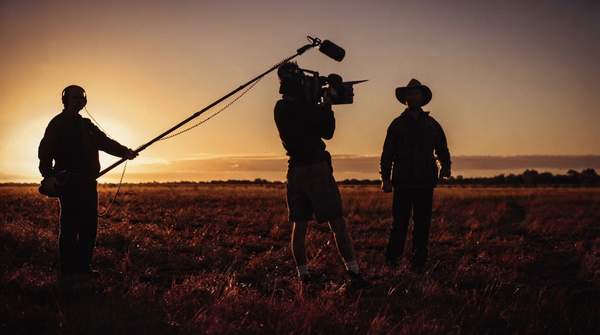
Independent filmmaker using a professional cinema drone for aerial cinematography, symbolizing advanced yet accessible technology for indie film production and post-production.

This guide details essential filmmaking technologies impacting indie production, from accessible cinema drones to advanced post-production software. For independent filmmakers and small production studios aiming to boost production value without studio-level budgets, these tools were evaluated based on their direct impact on indie workflows, increased accessibility to high-end techniques, and potential for creative enhancement.

The ranking was compiled from recent industry reports and technical specifications, focusing on tools and trends offering significant production advantages to independent creators.

1. Professional Cinema Drones — Best for High-End Aerial Cinematography

From a technical standpoint, advanced drone technology now makes high-quality aerial cinematography accessible to more filmmakers. While prosumer drones have been a staple for years, newer platforms bridge the gap to professional cinema quality. A key example is the DJI Inspire 3, which features a full-frame 8K sensor, dual native ISO, and over 14 stops of dynamic range, according to a report from Yugatech. This level of performance was previously reserved for much more expensive and complex setups.

This technology is best for indie filmmakers who need to capture sweeping establishing shots or dynamic action sequences with uncompromised image quality. The Inspire 3 ranks above typical prosumer drones due to its cinema-grade camera system and professional workflow integration. However, its primary limitation is cost. Yugatech reports the Inspire 3 Basic Package is priced at Php615,049, making it a substantial investment for smaller productions, though it lowers the buy-in compared to traditional aerial cinematography rigs.

2. AI-Assisted Post-Production Tools — Best for Workflow Efficiency

Artificial intelligence is being integrated into software to solve specific, time-consuming "micro-problems" in post-production. These tools are best for editors and sound designers looking to accelerate tedious tasks. For instance, tools like Adobe Podcast Enhance can perform complex audio restoration with a single click, while generative fill features in visual effects software can remove unwanted objects from a shot. According to a report by No Film School, these AI tools function as specialized assistants, leveling the playing field for creators without large post-production teams.
These tools rank over traditional manual methods by dramatically reducing the time and technical skill required for tasks like noise reduction or rotoscoping. The key drawback, as No Film School also notes, is that current AI models have a "short-term memory" problem, struggling with temporal consistency in longer sequences. Furthermore, the models require a skilled filmmaker's intervention to guide them, reinforcing that knowledge of craft remains a critical asset.

3. Virtual Production — Best for Creative Control and Environment Building

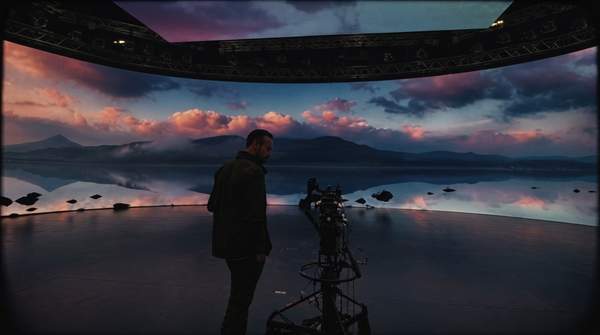
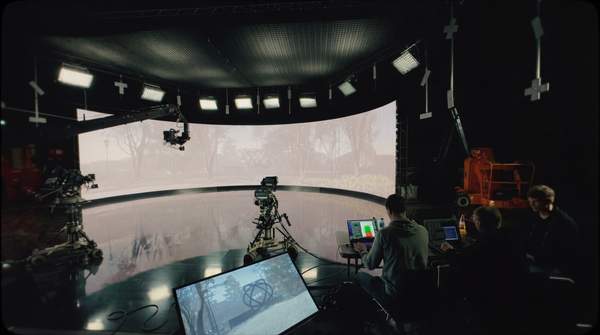
Virtual production combines real-time video game engines with large LED screen backdrops (volumes) to create immersive digital sets. This technology is ideal for science fiction, fantasy, or period films where location shooting is impractical or too expensive. According to a report from ANG Studio, this method can reduce post-production costs by capturing complex visual effects in-camera, including realistic lighting and reflections that are difficult to achieve with traditional green screens.

It ranks above conventional VFX workflows for its ability to give actors a tangible environment to perform in and allow directors to make creative decisions about framing and lighting on set. The primary limitation for indie filmmakers is the high initial cost and technical expertise required to build and operate an LED volume, though smaller-scale solutions and rental studios are becoming more common.

4. 8K Resolution Capture — Best for Future-Proofing and Post-Production Flexibility

8K resolution, providing four times the resolution of 4K, is a significant trend for filmmakers focused on achieving the highest possible visual fidelity. ANG Studio reports 8K is "leading the charge for ultra-high-definition visuals." This technology is best for filmmakers who plan significant visual effects work or want to deliver a premium product for high-end displays and streaming platforms.

The key advantage of 8K over 4K is the immense flexibility it offers in post-production. The excess resolution allows editors to reframe shots, crop for different aspect ratios, or stabilize shaky footage without a perceptible loss in quality for a 4K final output. The most significant drawback is the infrastructure demand. 8K files are massive, requiring substantial investment in high-capacity storage drives and powerful computer hardware for smooth editing and color grading.

5. Real-Time Rendering Pipelines — Best for On-Set Visualization

Real-time rendering pipelines, closely related to virtual production, are software workflows powered by game engines like Unreal Engine or Unity. They enable filmmakers to create and manipulate digital assets, lighting, and camera movements live on set. This technology is best for directors and cinematographers needing to visualize complex CGI or animated sequences as they are filmed, rather than waiting weeks for post-production renders.

This approach ranks over traditional pre-visualization (pre-vis) by offering a dynamic, interactive process that integrates directly with the live-action shoot. It allows for immediate feedback and creative iteration. The main limitation is the steep learning curve associated with mastering the software and the need for powerful, dedicated hardware to run the rendering processes in real time without performance issues.

TechnologyCategory/TypeKey MetricBest For
Cinema Drones (DJI Inspire 3)Aerial CinematographyFull-Frame 8K SensorFilmmakers needing professional aerial shots.
AI-Assisted Post-ProductionSoftware / WorkflowTask AutomationEditors and sound designers seeking efficiency.
Virtual ProductionProduction TechniqueIn-Camera VFXCreating complex digital environments on set.
8K Resolution CaptureAcquisition Format16x HD ResolutionFuture-proofing and post-production flexibility.
Real-Time RenderingSoftware / WorkflowLive VisualizationDirectors visualizing complex VFX on set.

How We Chose This List

The technologies on this list were selected based on their reported ability to solve specific, persistent challenges for independent filmmakers: budget constraints, limited crew sizes, and access to high-end creative tools. We prioritized technologies highlighted in recent industry analyses, such as those covered by IndieWire, that demonstrate a clear path to wider accessibility. Items were excluded if they remain exclusively in the domain of large-scale studio productions or if their impact on the final cinematic product was not substantially different from existing, more affordable alternatives.

The Bottom Line

Technology provides independent creators with powerful new capabilities. Professional cinema drones and 8K capture offer tangible benefits for filmmakers maximizing visual quality and scale. AI-powered tools and virtual production pipelines represent the most impactful advancements for those prioritizing workflow efficiency and creative control during production.