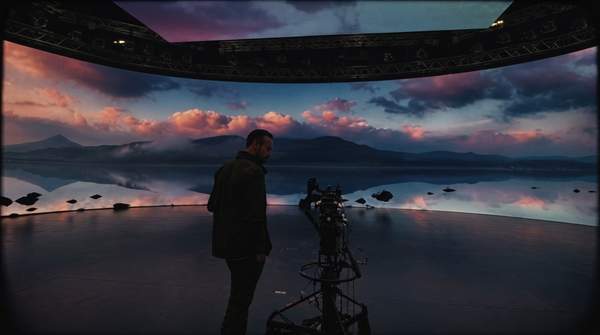
The production designer is the architect of a film's visual world, responsible for every location, set, and prop seen on screen. This crucial role in filmmaking often goes misunderstood by audiences, yet their foundational work creates the immersive experience that transports viewers to another time or place, defining the entire look of a production.
As head of the art department within film and television production, the production designer translates a script's written words into tangible, three-dimensional environments. Their choices, from the grand scale of a sci-fi cityscape to the subtle details of a character's apartment, shape the story's atmosphere, define its characters, and ultimately guide the audience's emotional journey, creating a cohesive cinematic world that supports the narrative and director's vision.
What Is a Production Designer?
A production designer is the senior creative professional responsible for the overall visual appearance of a film or television production. They are involved early in the development stage, often before formal pre-production begins, to establish the visual concept for the story. Think of them as the lead architect for a film's world; they design the blueprint that all other visual departments—including sets, props, and even aspects of costume and makeup—will follow. Their primary function is to create a physical environment that visually tells the story.
From a technical standpoint, the production designer collaborates directly with the director and the director of photography to create a unified visual language. This collaboration ensures that the color palette, textures, architectural styles, and overall mood of the sets and locations align with the film's narrative themes and cinematographic approach. According to the American Film Institute (AFI), production design is the intersection of art, architecture, and narrative, using visual elements to elevate on-screen stories. The production designer leads a large team to execute this vision, making them both a chief artist and a senior manager.
Key Responsibilities of a Production Designer
The extensive duties of a production designer span creative conception, logistical planning, and departmental management. They are ultimately accountable for everything that appears in front of the camera that is not an actor. This responsibility is executed through a series of distinct phases and tasks, beginning in development and continuing through the end of principal photography, encompassing their core responsibilities.
First and foremost, the production designer is a storyteller. Their work begins with a deep analysis of the screenplay. They break down the script scene by scene to identify all the necessary locations, sets, and key props required by the narrative. This initial phase involves extensive research into historical periods, architectural styles, cultural aesthetics, and character psychology. The goal is to develop a visual concept that not only serves the plot but also enriches the story's subtext and emotional core. This conceptual work is then presented to the director and producers through mood boards, sketches, and digital renderings.
Once a visual direction is approved, the production designer becomes a manager. They are responsible for assembling and leading the entire art department. This team can be extensive and typically includes:
- Art Director: Manages the day-to-day operations of the art department, overseeing the budget, schedule, and the creation of sets. They are the production designer's second-in-command.
- Set Designer: Drafts the technical drawings and blueprints for sets based on the production designer's concepts.
- Set Decorator: Responsible for furnishing the sets, including everything from furniture and drapery to small personal items that reveal character.
- Props Master: Manages all props that actors handle or interact with during a scene.
- Construction Coordinator: Leads the team that physically builds the sets.
- Graphic Artist: Creates any graphic elements seen on screen, such as signs, logos, documents, or digital interfaces.
Budgeting and scheduling are also central to the production designer's role. They must create a detailed budget for the entire art department, allocating funds for construction, set dressing, props, and labor. This requires a pragmatic approach, balancing artistic ambition with financial constraints. According to ScreenSkills, an industry body for the UK's screen industries, production designers work with their team to draw up a budget, prioritize the work schedule, and delegate financial management. They must ensure that all visual elements are ready on time and within the allocated budget, a task that demands meticulous planning and problem-solving skills.
The Production Design Process: From Script to Screen
The production designer guides the structured, collaborative journey from a written script to a fully realized visual world, translating abstract ideas into physical reality. While every project is unique, their workflow generally follows a consistent path from pre-production through filming, ensuring the director's vision is realized cohesively and efficiently.
The production designer's process begins with initial meetings with the director, where they read the script together, discussing themes, character arcs, and the desired mood and atmosphere. Based on these conversations, the designer creates initial concept art, including sketches, paintings, and 3D models. These visuals serve as a crucial communication tool, aligning the core creative team on the film's look and feel. This stage also involves extensive location scouting, with the designer and their team searching for real-world locations adaptable to the story's needs or serving as a basis for set builds.
As pre-production ramps up, the focus shifts to detailed design and execution. The production designer oversees the creation of a comprehensive visual plan. This includes:
- Technical Drawings: Set designers create detailed architectural blueprints for every set that needs to be constructed. These plans include precise measurements and construction details for the building crews.
- Color Palette and Texture Guides: The designer establishes a specific color scheme and a library of textures that will be used across all sets, props, and even costumes to ensure visual consistency.
- Set Decoration and Props Sourcing: The set decorator and props master begin sourcing, buying, or creating all the items needed to furnish the sets and provide actors with the necessary objects to perform their scenes.
- Construction and Painting: The construction team builds the sets on soundstages or on location, followed by scenic painters who age, texture, and finish the surfaces to match the design concept.
During principal photography, the production designer's role transitions to one of oversight. They remain on set to ensure that the visual elements are being captured as intended and to address any last-minute changes or problems that arise. They work closely with the director of photography to ensure the lighting complements the set design and that the camera is capturing the intended mood. Keeping the large and growing art department aligned with the evolving realities of a film shoot is one of the most challenging aspects of the job. According to a profile by the World Design Organization, a key skill is knowing what a set needs to enhance the backstory, acting as a "curator" of design rather than just a designer.
Why Production Design Matters
Production design is a fundamental component of cinematic storytelling, far beyond mere decoration. The visual world of a film provides the essential context in which the narrative unfolds, and its design profoundly impacts the audience's experience. When executed effectively, production design operates on a subconscious level, immersing viewers in the story and deepening their understanding of the characters and their world as a silent narrator, communicating essential information without a single word of dialogue.
The design of a space can reveal a character's personality, history, and state of mind. A meticulously organized office might suggest an orderly and controlled character, while a cluttered and chaotic apartment could reflect internal turmoil. These environmental details add layers of depth to character development, allowing the audience to understand who these people are through the world they inhabit. As noted in an analysis from Loyola Marymount University, strong production design significantly contributes to both audience immersion and the development of characters within a story.
Production design establishes the rules and tone of a film's universe. For instance, in a historical drama, authenticity in architecture and props is crucial for believability. In a fantasy or science fiction film, the designer must build a world from scratch, creating a visual language that is both imaginative and internally consistent. This detailed world-building makes fictional universes feel real and lived-in, ensuring production design is an active participant in the narrative, shaping how the audience perceives and connects with the story on an emotional and intellectual level.
Frequently Asked Questions
What is the difference between a production designer and an art director?
The production designer is the head of the art department and is responsible for the overall visual concept of the film. The art director works directly under the production designer, managing the practical creation of the sets. While the production designer focuses on the "what" (the creative vision), the art director focuses on the "how" (the budget, schedule, and construction).
What kind of background do production designers have?
Production designers come from a variety of creative and technical backgrounds. Common fields of study and prior careers include architecture, theater design, interior design, fine arts, and graphic design. Many start their careers in other art department roles, such as a runner or trainee, and work their way up over many years, gaining practical experience on set.
What is the first step a production designer takes on a project?
The production designer's very first step is to read and break down the script, a foundational stage where they begin to understand the story's needs, characters, and themes. This comprehensive script analysis is then followed by in-depth conversations with the director to align on a creative vision before any drawing or designing work commences.
The Bottom Line
The production designer is the master architect of a film's visual identity, a creative leader who translates a screenplay's words into a fully realized world. They blend artistic vision with logistical expertise, guiding a massive team to create the environments that define a story, thereby providing the visual foundation upon which the entire film is built and making their work integral to storytelling.