What is the role of foley artists in filmmaking sound effects?

The iconic Star Wars lightsaber sound, a hallmark of cinematic sci-fi, was famously created by combining the hum of idling projector motors with the interference from moving a microphone near a TV, ac

VR
Victor Ren

May 16, 2026 · 5 min read

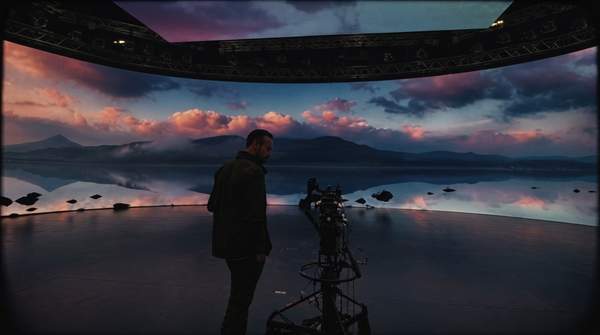
A foley artist in a sound studio carefully manipulating everyday objects to create distinct and memorable film sound effects.

The iconic Star Wars lightsaber sound, a hallmark of cinematic sci-fi, was famously created by combining the hum of idling projector motors with the interference from moving a microphone near a TV, according to BBC. This ingenious, low-tech origin provided a foundational auditory element for one of film's most recognizable weapons. Such creative manipulation of everyday objects forms the backbone of immersive soundscapes.

Modern cinema relies heavily on advanced visual effects and digital sound design, but many of its most memorable and realistic auditory elements are crafted using simple props and live human performance. Tension highlights a critical, often overlooked, aspect of film production. The role of foley artists in filmmaking sound effects remains essential, despite technological advancements. For more, see our How Foley Artists Create Sound.

The craft of Foley artistry will remain essential for grounding fantastical or stylized visuals in tangible reality, proving that human ingenuity with everyday objects can often surpass purely digital solutions in creating emotional resonance. This approach builds believable, immersive worlds that audiences unconsciously crave.

The Art of Making Everyday Sounds

The sound for the sliding doors in Star Trek was created by sliding a piece of paper from an envelope, as reported by BBC. Similarly, the menacing sound of the Balrog in The Lord of the Rings was made by dragging a breezeblock along a wooden floor, according to the same source. These ingenious, everyday origins highlight the profound creativity that underpins seemingly complex and fantastical film soundscapes, demonstrating that imagination drives auditory magic more than digital complexity.

Foley artists often work in pairs, utilizing relatively low-tech equipment to mirror actors' movements in a studio as footage plays on a screen, states the BBC. This physical, collaborative process meticulously recreates and synchronizes mundane actions. They transform everyday objects, such as flapping chamois leather for bird wings or various car doors for specific sounds, into precise auditory elements that enhance on-screen realism.

Foley sounds are recorded in a controlled studio environment, meticulously synchronized with the visual action on screen, according to Careerexplorer. This careful synchronization ensures that the performed sounds align perfectly with the on-screen events, providing a seamless and convincing audio experience for the audience.

Beyond Footsteps: The Nuance of Performance

Foley artists interpret a movie in sound, performing the film's actions live in front of a screen, which requires an incredible understanding of each other and the on-screen action, the BBC reports. This live interpretation enables them to capture the subtle emotional and physical nuances of a scene. They aim to create realistic sounds that resonate with human experience.

They can create nuanced sounds with small actions like clicks of fingers, feet on gravel, or the sounds of clothing, focusing on the sounds of everyday life, according to the BBC. This meticulous attention to detail and live interpretation transforms simple actions into believable, immersive auditory experiences, making the unseen heard. They often use a variety of props and surfaces to recreate these movements and interactions.

The sound of the Ringwraith in Lord of the Rings, for instance, was made by scraping plastic cups together and adding some effects, as detailed by the BBC. Even fantastical elements are grounded in organic, human-generated sounds. This human element of live foley performance remains critical for achieving a nuanced, believable soundscape.

Foley's Place in the Soundscape

Foley is often blended directly with sound design, blurring the lines between the two art forms, according to a blog. This integration ensures a seamless and rich auditory landscape, where Foley's organic sounds often become indistinguishable from other designed elements, yet are foundational to the overall audio experience. Even highly technical sound engineers recognize the irreplaceable value of organic, human-generated sounds.

Modern cinema relies heavily on advanced digital sound design, yet the evidence shows foley, a low-tech, live performance art, is often blended directly with this digital sound design. This implies that even in a high-tech environment, the organic, human-performed sounds of foley are considered essential for achieving a complete and believable auditory experience. Digital alone appears insufficient for true immersion.

The enduring reliance on foley artists for iconic sounds like the Star Wars lightsaber and the Lord of the Rings Balrog, as detailed by the BBC, reveals that true cinematic immersion isn't built on digital wizardry, but on the ingenious, low-tech manipulation of everyday objects. This blending of traditional and modern techniques creates a richer, more immersive viewing experience for audiences.

The Unseen Impact on Immersion

Foley artists gather props such as shoes, clothing, and dining utensils to recreate sounds for a scene, according to a blog. The vast array of everyday objects collected by Foley artists underscores their resourcefulness in building a believable auditory world from scratch. This makes the unreal feel real and deeply engaging for audiences.

Companies investing solely in digital sound design risk missing the crucial, human-performed nuance that foley artists provide, as evidenced by the BBC's description of foley artists mirroring actors' movements to create sounds. This mirroring grounds fantastical worlds in relatable reality, creating a subconscious connection with the viewer. Audiences benefit from a richer, more immersive viewing experience.

The blurring lines between foley and digital sound design, as noted by a blog, indicate that even the most advanced sound engineers recognize the indispensable, almost subconscious, power of organic, live-performed sounds to make audiences truly believe what they're seeing. This recognition solidifies foley's critical role in cinematic quality.

Common Questions About Foley

What are the most common foley sound effects?

Foley artists frequently recreate sounds such as footsteps on various surfaces like concrete, wood, or gravel, as well as clothing rustle and distinct impacts like punches or doors slamming. They also create specific animal sounds or the clinking of dishes during dining scenes. Each sound is meticulously tailored to the on-screen action.

What skills are needed to be a foley artist?

A foley artist requires exceptional observational skills to dissect on-screen actions, precise timing to synchronize sounds, and immense creativity to select and manipulate props. Physical stamina for repeated performances and a deep understanding of sound physics are also crucial for the craft. The ability to improvise and collaborate effectively within a sound team is also vital.

The Enduring Magic of Mundane Sounds

Foley artists' low-tech, live performances are the counterintuitive secret to cinematic realism. They often outperform purely digital sound design in creating believable, immersive worlds that audiences unconsciously crave. This human element ensures a nuanced, relatable auditory experience.

Ultimately, Foley artists prove that the most profound cinematic magic can often be found in the ingenious manipulation of the everyday. This makes the invisible world of sound truly unforgettable and essential to storytelling. Their contributions remain vital for filmmakers aiming for deep audience immersion.