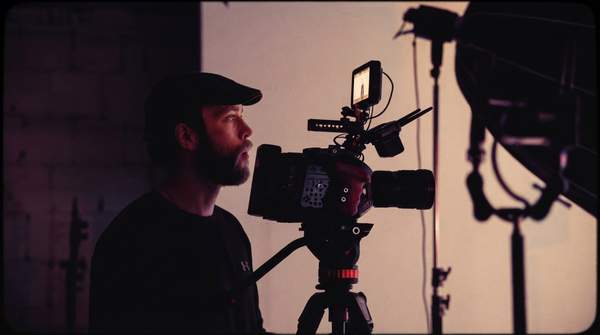
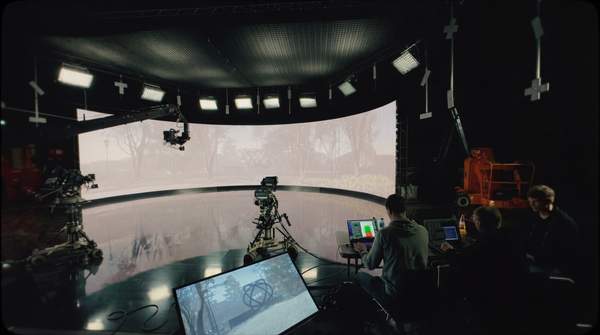
Building an 80-foot diameter LED volume for virtual production can cost up to $16 million, excluding labor, yet new collaborations are making advanced virtual production accessible for a fraction of that price. This substantial investment in large-scale LED setups restricts their adoption to major productions, leaving a critical gap for effective, budget-conscious virtual production technologies in filmmaking.
Demand for virtual production is accelerating, but the high cost of entry for traditional LED volumes remains a significant barrier for many studios, according to Little Black Book | LBBOnline and Copilotco. This inherent tension between escalating industry interest and prohibitive capital expenditure directly constrains the adoption rate of virtual production.
The industry is poised for a significant expansion of virtual production capabilities, driven by more accessible and scalable technologies, potentially shifting market dominance from large-scale LED volume operators to agile, tech-forward content creators.
The High Price of Immersion: Traditional VP's Barriers
- $50,000 - $75,000 — Renting an LED volume for 2D plate playback typically costs between $50,000 and $75,000 per week, according to copilotco.io.
- 14 people — A large virtual production team typically ranges from about 14 people on a large project, according to copilotco.io.
These figures reveal the substantial operational overhead for traditional virtual production. The weekly rental cost, coupled with the necessity of a 14-person team, confines this technology primarily to high-budget productions. This financial and personnel commitment creates a significant barrier, effectively limiting wider industry adoption and access for independent filmmakers and smaller studios.
A New Era of Accessibility: Projection-Based Solutions Emerge
| Collaborator | Contribution to Projection-Based Virtual Production |
|---|---|
| CarbonBlack Technology | Integrated virtual production solution development |
| Christie Projection | Projection technology expertise |
| Vizrt | Real-time graphics and broadcast integration |
| Marziani Labs | Specialized virtual production components |
| Disguise | Media server and workflow integration |
| WePlay Studios | Production environment and testing |
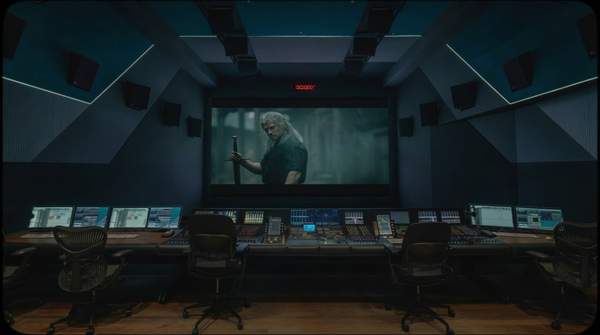
This collaboration establishes projection-based virtual production as a viable, scalable, and cost-efficient alternative to LED volumes for multi-camera broadcast workflows, according to Content + Technology.
This collaborative effort signifies a pivotal shift, making advanced virtual production capabilities more attainable for a broader range of productions beyond blockbuster films. The combined expertise enables the first true multi-camera projection-based broadcast workflow, marking a significant advancement for virtual production technologies in filmmaking.
Beyond the Green Screen: Driving Confidence and Demand
The industry exhibits growing confidence in virtual production, with demand accelerating. This escalating interest arises from a clear desire for more efficient and flexible production methods. Studios actively seek solutions that reduce on-location shooting time and provide enhanced creative control during principal photography.
This sustained demand, paired with a clear surge in industry confidence, confirms a robust market readiness for innovative virtual production solutions. The drive for more accessible options underscores a broader industry movement towards agile and budget-conscious content creation.
Early Adopters Pave the Way for Mainstream Integration
Cost-efficient virtual production gains traction with active studio engagement.
- SP Studios had a busy start to 2025, according to Little Black Book | LBBOnline.
The active engagement of studios like SP Studios confirms that virtual production is rapidly moving from niche innovation to a standard tool in content creation. This adoption by early movers helps refine workflows and demonstrates the practical benefits of these advanced systems to a wider audience.
The Democratization of Virtual Production
The shift towards projection-based solutions offers distinct advantages beyond mere cost reduction. These systems provide significant financial benefits over conventional LED volumes and deliver environmental benefits compared to traditional LED setups. Furthermore, they enable substantial savings in post-production time and expense when compared to green screen workflows, while also facilitating the first true multi-camera projection-based broadcast workflow.
This convergence of high demand and increasingly accessible, beneficial technology is setting the stage for virtual production to become a ubiquitous tool across all levels of content creation. The collaboration between CarbonBlack Technology, Christie Projection, Vizrt, Marziani Labs, Disguise, and WePlay Studios de-risks virtual production adoption for a vast market segment. By 2025, companies continuing to invest solely in high-cost LED volumes risk being outmaneuvered by competitors utilizing these proven, cost-efficient projection-based alternatives.