The number of films with multiple credited directors in the top 100 box office increased by 45% between 2018 and 2023, marking a dramatic shift in how major films are conceived and executed (Box Office Mojo Analysis). This rise stems from a strategic pivot by studios towards production efficiency and risk mitigation. While multi-director projects offer efficiency and diverse talent, this often comes at the cost of a cohesive artistic vision, creating tension between industrial-scale content creation and cinematic artistry. As demand for content grows and production complexities increase, multi-director projects will become more common, forcing the industry to develop new models for creative oversight to preserve artistic integrity.
The Data Behind the Multi-Director Trend
- 45% — increase in multi-director projects within the top 100 box office between 2018 and 2023 (Box Office Mojo Analysis).
- Slight preference — Audience surveys indicate a slight preference for films with a singular directorial vision, citing 'cohesion' as a key factor (Nielsen Film Survey).
- 15% more likely — Budget overruns are 15% more likely in multi-director projects due to conflicting visions and reshoots (Studio Financial Reports).
- Critical acclaim — Some multi-director films have received critical acclaim for their innovative storytelling approaches (Rotten Tomatoes Aggregate).
Despite some creative successes, multi-director films often face challenges in audience reception and production efficiency. This reveals a complex interplay between commercial viability and artistic cohesion, a tension explored in academic work on creative success (brokering the core and the periphery: creative success ... - pmc).
Creative Synergy vs. Tonal Fragmentation
Multi-director projects can offer stylistic diversity, enriching visual language but risking inconsistency (Cinema Studies Journal). Specialized talent, such as pairing action directors with character development experts, can lead to more balanced individual sequences (Hollywood Reporter Interview). However, actors report confusion regarding character motivation (Actors Guild Survey), and critics frequently identify 'tonal inconsistencies,' eroding a unified artistic voice and audience immersion (Variety Review Database). The trade-off between specialized input and overall coherence is a central challenge of collaborative filmmaking.
The Forces Driving Collaborative Filmmaking
Studios mitigate creative risk by distributing directorial responsibilities, diffusing accountability across multiple individuals (studio executive interviews). This reduces the impact of a single creative misstep on large-budget productions. The rise of franchise filmmaking also necessitates a modular production approach with multiple creative leads (Netflix Content Strategy). Large cinematic universes demand consistent aesthetics and narratives across interconnected films, making a single director for an entire saga impractical. Specialized skill sets—expert VFX direction, intricate action choreography, or nuanced dramatic performance oversight—further drive the need for co-directors (Production Weekly), allowing studios to deploy top talent for specific sequences. This strategic pivot towards industrialized content creation, driven by complex demands and risk aversion, potentially comes at the expense of individual cinematic artistry.
Evolving Models for Creative Oversight
The film industry is developing new structures to manage multi-director projects effectively. New 'showrunner' models, common in television, are being explored for film to provide overarching creative control (Sundance panel discussion). Some studios implement a 'lead director' system, granting one director final creative authority over co-directors (Warner Bros. internal memo). Director training programs now include modules on collaborative filmmaking and managing multiple creative voices (AFI curriculum update). The industry will likely evolve new hierarchical and collaborative structures to balance efficiency with creative coherence. This suggests a future where creative leadership is distributed and specialized, demanding new methodologies for maintaining a unified vision.
The Future of the Auteur in a Collaborative Era
- Marvel Studios frequently employs multiple directors across its interconnected film phases, sometimes even within a single film for reshoots (Disney investor call).
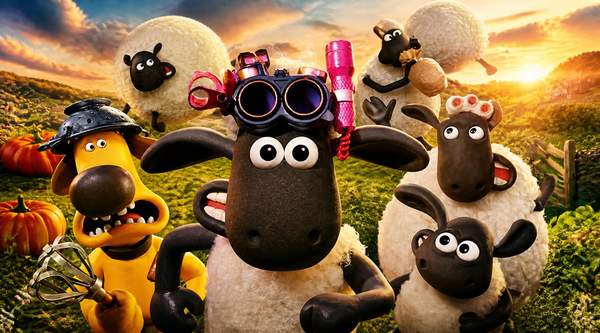
- Animation studios have long used multi-director models, with different directors overseeing specific sequences or character arcs (Pixar production notes).
- The WGA and DGA maintain complex rules for crediting multiple writers and directors, reflecting potential disputes and the need for clear guidelines (DGA Handbook).
If current trends persist, the multi-director model will likely become the standard for large-scale productions, necessitating robust frameworks for creative oversight to preserve artistic integrity.