Affordable Independent Film Distribution Models

A DIY digital-only film release can cost as little as $5,000, significantly lowering the financial barrier for independent filmmakers without major studio backing.

LH
Leo Hartmann

April 17, 2026 · 8 min read

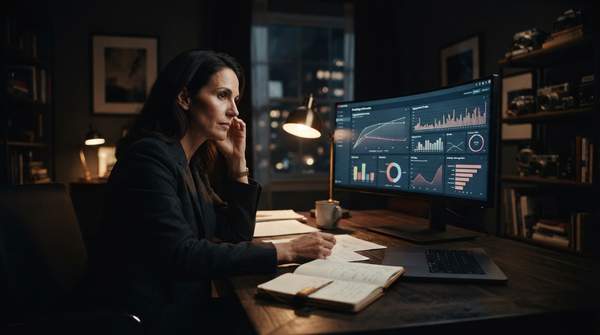
An independent filmmaker working on distribution strategies on a laptop in a home office, representing the DIY approach to film release.

A DIY digital-only release can cost between $5,000 and $25,000, according to vitrina, significantly lowering the financial barrier for independent filmmakers without major studio backing. This accessibility allows a broader range of voices to reach audiences, fostering a more diverse content stream. Such low entry costs encourage more creators to explore various independent film distribution models in 2026.

However, the rise of streaming platforms promised easier access for independent films, but it has simultaneously created a crowded market requiring filmmakers to invest significantly in self-distribution or specialized partnerships. The dual challenge of accessibility versus visibility in the current media environment is highlighted by this tension.

Independent filmmakers who embrace a business-savvy approach to distribution, leveraging hybrid models and understanding cost structures, are more likely to find success and sustainable careers in the fragmented media landscape.

The media industry in 2026 sees 28 executives recognized for their strategic approaches and long-term vision in navigating shifting business models within independent film, according to Media Play News. A DIY digital-only release, excluding revenue share, can range from approximately $7,000 to $28,500, according to vitrina, though a bare-bones entry can be $5,000. A spectrum of investment even within seemingly low-cost options is indicated, according to vitrina. Maverick Entertainment Group, led by Doug Schwab, releases over 100 movies annually across digital, streaming, VOD, and physical platforms, as reported by Mediaplaynews. What this means is that while the barriers to entry are lower, success now hinges on strategic acumen and understanding the diverse pathways available.

The Shifting Sands of Indie Film Investment

  • $225 million — A24 raised this amount in equity investment in 2022, led by Stripes, valuing the company at $2.5 billion, according to World Finance.
  • $100 million — Mubi raised this in growth capital led by Sequoia Capital in June 2025, reaching a valuation of $1 billion, as reported by World Finance.
  • Fortress Investment Group — This firm acquired UK-based arthouse film company Curzon in 2024, according to World Finance.

Significant financial backing is still critical for scaling distribution and curation in a fragmented market, as demonstrated by these figures. Companies like A24 and Mubi, despite their 'indie' roots, are raising hundreds of millions in capital, suggesting 'independent' no longer means 'low budget' for those aiming for broad success. What this means is that while direct distribution for filmmakers is challenging, substantial capital flows into companies that successfully aggregate and distribute independent and arthouse content.

Filmmakers Forging Their Own Paths

  1. Hybrid Release (Theatrical + Digital)

    Best for: Filmmakers seeking maximum audience reach and critical prestige.

    This model combines the impact of a theatrical run with the broad accessibility of digital platforms. Filmmaker Aranya Sahay organized interactive screenings of 'Humans In The Loop' (2024) at universities, cultural centers, and film clubs, which led to a limited theatrical release and subsequent Netflix debut, according to Outlook India.

    Strengths: High visibility and potential revenue | Limitations: Can cost between $150,000 and $500,000, requiring filmmakers to manage tasks like guild residuals, deliverables, and MPAA ratings, according to vitrina and filmlocal (T2-ANALYSIS) | Price: $150,000 - $500,000

  2. AVOD (Advertising-Video On Demand) on Platforms like YouTube

    Best for: Content creators prioritizing wide audience access and continuous passive income.

    AVOD has become a significant revenue source for independent filmmakers, offering a revenue share model that provides continuous payouts. Filmmakers gain a more expansive audience base through AVOD, with success dependent on content that holds viewer attention, according to filmmakingstuff (T2-ANALYSIS) and filmmakermagazine (T2-ANALYSIS).

    Strengths: Low barrier to entry, continuous revenue potential | Limitations: Revenue depends on ad impressions and audience retention | Price: Revenue share model

  3. PVOD (Premium Video On Demand)

    Best for: Films with strong theatrical buzz looking to maximize post-theatrical revenue.

    PVOD has become a critical revenue stream for independent films, often determining profitability after theatrical runs. Distributors can retain up to 80% of PVOD revenue, significantly higher than a typical 50-50 split with theatrical box office, according to Marklitwak. PVOD revenue can add 44% more to a film's earnings beyond theatrical rentals, as also noted by marklitwak.com.

    Strengths: High revenue retention, critical for post-theatrical profitability | Limitations: Requires existing demand, typically follows a theatrical window | Price: Revenue share model

  4. Self-Distributed Limited Theatrical Release

    Best for: Filmmakers seeking prestige and direct audience engagement in specific markets.

    This model provides the prestige and word-of-mouth potential of a theatrical run. Self-funded, independently marketed projects like Tanmaya Shekhar’s Nukkad Naatak have achieved theatrical runs in India, according to Outlookindia. Aranya Sahay's 'Humans In The Loop' also began with interactive screenings at universities.

    Strengths: Direct audience connection, builds buzz | Limitations: Can cost between $50,000 and $200,000, significant logistical effort | Price: $50,000 - $200,000

  5. Niche SVOD Platforms (e.g. Mubi, Film Movement, Fandor)

    Best for: Arthouse and genre films targeting a dedicated, curated audience.

    These smaller SVOD platforms focus specifically on indie films and niche audiences, offering a curated environment for better discovery. Mubi, for instance, raised $100 million in growth capital in June 2025, at a valuation of $1 billion, according to World Finance, highlighting the financial viability of this niche, according to lafilm (T2-ANALYSIS).

    Strengths: Targeted audience, better discovery | Limitations: Smaller overall subscriber base than major streamers | Price: Acquisition fees or revenue share

  6. DIY Digital-Only Release

    Best for: First-time filmmakers or those with minimal budgets prioritizing creative control and accessibility.

    This model offers maximum control for filmmakers over their distribution at the lowest entry point. It can cost between $5,000 and $25,000, excluding revenue share, according to vitrina. However, fixing quality control failures after submission can add $500-$2,000 and delay a release by 4-8 weeks, according to vitrina.

    Strengths: Low cost, full creative control | Limitations: Requires significant self-marketing effort, intense market crowding | Price: $5,000 - $25,000

  7. TVOD (Transactional Video On Demand)

    Best for: Films that viewers are likely to purchase or rent individually rather than as part of a subscription.

    Platforms like iTunes, Google Play, and Vimeo On Demand allow viewers to rent or buy films one at a time. Filmmakers gain more control over pricing and revenue share in this model, according to lafilm (T2-ANALYSIS).

    Strengths: Higher revenue share per transaction, direct purchase option | Limitations: Requires active marketing to drive individual sales | Price: Revenue share model

  8. Multi-Platform Distribution via Specialized Indie Distributors

    Best for: Filmmakers seeking professional handling of complex distribution across diverse channels.

    Leveraging specialized independent distributors is a critical strategy for filmmakers navigating the complex post-streaming environment. Giant Pictures distributes over 3,000 titles through streaming, AVOD, physical media, theatrical, and international sales, according to Media Play News. Maverick Entertainment Group releases over 100 movies a year across various platforms, as also reported by mediaplaynews.com.

    Strengths: Expertise, broad reach, reduced filmmaker burden | Limitations: Revenue share, less direct control over strategy | Price: Percentage of revenue (varies)

What this means is that independent success is increasingly defined by creative distribution strategies, often blending grassroots efforts with strategic platform partnerships.

Cost-Benefit Analysis of Distribution Models

Distribution ModelTypical Cost RangeKey BenefitsKey Challenges
DIY Digital-Only Release$5,000 - $25,000Maximum control, lowest entry costHigh market crowding, extensive self-marketing needed
Self-Distributed Limited Theatrical Release$50,000 - $200,000Prestige, direct audience engagement, word-of-mouthSignificant logistical demands, higher upfront cost
Hybrid Release (Theatrical + Digital)$150,000 - $500,000Broadest reach, critical and commercial potentialHighest cost, complex management of multiple channels

A DIY digital-only release, excluding revenue share, can range from approximately $7,000 to $28,500, according to vitrina, according to vitrina. A self-distributed limited theatrical release can cost between $50,000 and $200,000, while a hybrid release (theatrical + digital) can cost between $150,000 and $500,000, according to vitrina. What this means is that filmmakers must carefully weigh their budget against their desired reach and audience engagement, as distribution costs vary wildly across models.

Independent filmmakers are no longer bound by traditional gatekeepers, but the data from vitrina on varying distribution costs reveals they are now trading the gatekeeper's selectivity for the complex strategic challenge of choosing the right investment level for reach and impact. The success stories of Tanmaya Shekhar and Aranya Sahay prove that a strategic, multi-pronged distribution approach, leveraging both grassroots engagement and digital platforms, is now the most viable path for independent films to gain traction and eventually secure deals with major streamers like Netflix.

Companies like A24 and Mubi, despite their 'indie' roots, are raising hundreds of millions in capital, demonstrating that significant financial backing is still critical for scaling distribution and curation in a fragmented market, suggesting 'independent' no longer means 'low budget' for those aiming for broad success. The sheer volume of content distributed by companies like Giant Pictures, with over 3,000 titles, and Maverick Entertainment, with over 100 titles annually, indicates that the low barrier to entry for DIY digital distribution has created an intensely crowded market. Standing out requires more than just getting content online.

Filmmakers must view distribution costs as a spectrum, where increasing investment directly correlates with potential reach and impact, ranging from a $5,000 digital-only release to a $500,000 hybrid theatrical and digital launch, according to vitrina. This necessitates a sophisticated, multi-model strategy that selectively integrates higher-cost, specialized partnerships. By 2026, independent filmmakers who proactively assess these varied distribution models and their associated costs will be better positioned for success.

What are the best distribution platforms for indie films in 2026?

The best platforms for indie films in 2026 depend on the film's genre and target audience. Niche SVODs like Mubi or Fandor excel for arthouse films, offering curated discovery. For broader reach and potential ad revenue, AVOD platforms like YouTube provide a lower barrier to entry and continuous payouts. Specialized indie distributors like Giant Pictures offer multi-platform distribution across streaming, theatrical, and international sales for over 3,000 titles.

How can independent filmmakers fund their projects in 2026?

Independent filmmakers can fund their projects in 2026 through a combination of self-funding, strategic partnerships, and leveraging distribution revenue. While a DIY digital-only release can cost between $5,000 and $25,000, according to vitrina, filmmakers often seek additional capital for marketing or broader distribution. Companies like A24 and Mubi, focused on independent content, have raised hundreds of millions in capital, demonstrating that external investment remains a significant funding avenue for scaling operations and content acquisition.

What are the pros and cons of different film distribution strategies?

Different film distribution strategies offer varied pros and cons. A DIY digital-only release provides maximum control and costs between $5,000 and $25,000, according to vitrina, but faces intense market crowding. A self-distributed limited theatrical release, costing $50,000 to $200,000, offers prestige and direct audience engagement but demands significant logistical effort. Hybrid theatrical and digital releases, at $150,000 to $500,000, provide the broadest reach but carry the highest financial and management complexities.