Artificial intelligence is fundamentally rewiring global film production, a technological shift now affecting creators, studios, and audiences in the world's most prolific film industry after a major Indian studio re-released a hit movie with an AI-altered ending. This move by Eros Media World highlights a growing divergence in how different filmmaking hubs are embracing generative AI, with significant implications for both creative workflows and the global distribution of media.
Who Is Affected by AI in Filmmaking
In India, which produces more films than any other country, the integration of artificial intelligence into the production pipeline directly impacts several key groups. These effects are not uniform, creating new opportunities for some while presenting significant challenges for others.
- Actors and Creative Artists: The creative integrity of original work is a primary concern. Following the AI-driven revision of the 2013 film 'Raanjhanaa,' the lead actor publicly criticized the new version. According to a Reuters report, the actor stated the change "stripped the film of its very soul" and established a "deeply concerning precedent for both art and artists." This sentiment reflects a growing anxiety among performers and directors that their artistic choices could be posthumously or unilaterally altered by studios using AI tools.
- Film Studios and Production Companies: For media conglomerates, AI presents a powerful economic incentive. Analysis by consulting firm EY suggests that AI could boost revenue for Indian media and entertainment firms by 10% while reducing costs by 15% over the medium term. This potential for increased efficiency and profitability is driving rapid adoption, particularly in markets with fewer labor restrictions compared to Hollywood.
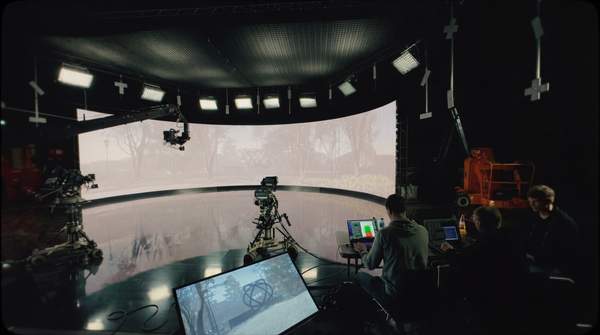
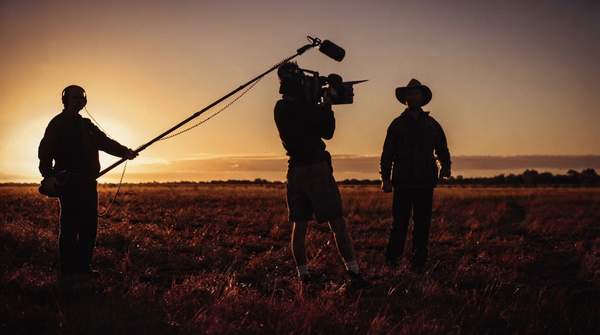
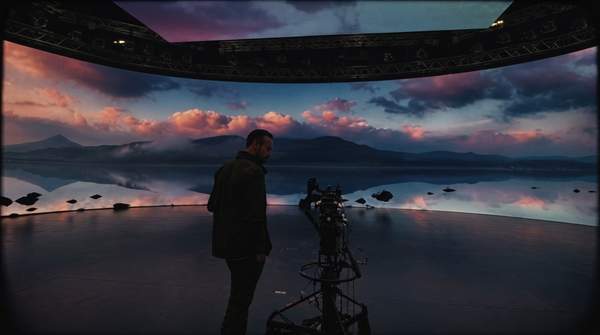
- Production and Post-Production Crews: The traditional film set, characterized by cameras and on-set collaboration, is evolving. The new production environment is increasingly described as resembling a quiet coding floor, as reported by The Straits Times. This signals a fundamental shift in the skills required for a film career, moving from physical equipment operation to digital asset creation, software engineering, and data management. Roles are being redefined, and new technical positions are emerging.
- Global Audiences: Viewers are at the center of this transition, and their reception is mixed. While the AI-altered Tamil-language version of 'Raanjhanaa' reportedly sold 35% of its available tickets, a sign of commercial viability, there is also evidence of audience skepticism. Reports indicate that AI-generated or heavily modified content often receives harsh reviews, suggesting a potential disconnect between what is commercially possible and what is critically accepted.
Current AI Applications Rewiring Film Production
Indian studios are reportedly leveraging artificial intelligence across the entire filmmaking production lifecycle, from concept to distribution, to gain a competitive edge. This rapid integration is transforming established workflows, creating new content possibilities, and fundamentally altering the business of making movies through cost reduction, timeline compression, and content localization.
In the realms of pre-production and production, AI is being used to dramatically lower expenses and shorten schedules. According to Rahul Regulapati, who heads the AI studio at the production house Collective, these technologies are "slashing production costs to one-fifth of what they used to be." He further noted that production time is being reduced to a quarter of traditional timelines, especially in genres heavy on visual effects, such as mythology and fantasy. This efficiency is achieved through AI-powered tools for storyboarding, creating digital environments, generating character models, and automating complex visual effects sequences that would otherwise require large teams and extensive render times. This allows filmmakers to attempt more ambitious projects with smaller budgets.
Post-production and distribution are also being revolutionized. AI-powered dubbing and subtitling are enabling studios to localize films for numerous languages with unprecedented speed and scale. This process, which once required extensive time and resources for voice casting, recording, and mixing for each language, can now be largely automated. AI can clone an actor's voice and synthesize a performance in a different language while maintaining the original tone and emotional inflection. This capability allows Indian films to reach a wider global audience more quickly, breaking down language barriers and opening new international markets for a famously prolific industry.
Perhaps the most disruptive application is in narrative alteration, as seen with the 'Raanjhanaa' re-release. Eros Media World used AI to generate a new, happier ending for the 2013 romantic drama. This represents a new frontier where the core artistic product is no longer static. Studios can now experiment with alternate storylines, character fates, and tonal shifts to cater to different audience preferences or test market reactions. While commercially intriguing, this practice raises profound questions about artistic finality and the preservation of a director's original vision, turning a finished film into a potentially fluid asset.
Challenges of AI Integration in Global Filmmaking
The swift integration of AI into filmmaking presents complex challenges beyond economic advantages, spanning artistic ethics, audience acceptance, and the global regulatory landscape. The friction between technological capability and creative tradition is becoming a central conflict, and how these hurdles are navigated will likely determine AI's long-term sustainability and acceptance as a core production tool.
The primary challenge revolves around creative integrity and the potential for artistic backlash. The 'Raanjhanaa' case serves as a clear example of the tension between a studio's commercial interests and an artist's original intent. The actor's public condemnation highlights a fear that AI could be used to override creative decisions, sanitize controversial themes, or simply alter art for commercial reprocessing without the consent of its creators. This raises fundamental questions about ownership: does a film belong to its creators, or is it a corporate asset to be modified at will? This debate is central to the identity of filmmaking as an art form.
Audience reception remains a significant variable; there is no guarantee viewers will embrace AI-created or modified content. Reports suggest audiences often criticize AI-generated content for lacking authenticity or emotional depth, and a single commercial success does not indicate broad acceptance. Studios risk alienating dedicated fanbases who value original versions of classic films. The long-term challenge is deploying AI to enhance, not diminish, a story's perceived quality and emotional resonance.
A critical factor shaping the global adoption of AI is the disparity in labor regulations. According to reports, union rules in Hollywood currently constrain the widespread use of generative AI technologies in film production. These protections, won through recent labor negotiations, stand in contrast to the environment in India, where studios are reportedly "racing ahead" with implementation. This regulatory gap is creating a bifurcated global landscape. India's film industry, as detailed by sources like Gulf Business, is positioning itself as a hub for AI-driven production, potentially attracting projects and talent focused on this new workflow. This could lead to a significant shift in global production power dynamics.
What Comes Next
The ongoing integration of AI into film production is significantly transforming the industry, redefining creative roles, business models, and the nature of cinematic art. The trajectory of this change will be determined by regulatory developments, audience behavior, and strategic decisions made by major studios in both established and emerging film markets.
The immediate future will likely see the continued rise of new production hubs that are agile in adopting AI. With its less restrictive labor environment and a massive domestic industry eager for cost-saving technologies, India is poised to become a global leader in AI-native filmmaking. This could challenge the long-standing dominance of Hollywood, particularly for productions that are heavy on visual effects or require rapid, multilingual distribution. The global filmmaking map may be redrawn as studios seek out the most efficient and technologically advanced production pipelines.
This technological shift necessitates a corresponding evolution in the film industry's workforce. Traditional on-set roles may see diminished demand, while new roles requiring expertise in machine learning, prompt engineering, and virtual production will become essential. Film schools and training programs will need to adapt their curricula to prepare the next generation of filmmakers for a hybrid environment where artistic vision is executed through sophisticated software. This transition will require significant reskilling and could reshape career paths within the industry, as explored in analyses of how AI video generators are reshaping content creation.
In India, where moviegoers reportedly fell from 1.03 billion in 2019 to 832 million in 2025 even as box-office sales hit a record $1.4 billion last year, economic pressures incentivize studios to cut production costs and maximize existing library value. AI offers a powerful tool for both, but its success hinges on whether audiences accept AI-modified or fully generated films as legitimate entertainment, requiring a delicate balance between innovation and authenticity.