Oscars: Academy Bans AI-Generated Performances; AI-Assisted Films Honored

Two films honored at the Oscars used AI technology to alter voices, a subtle integration that reveals a shifting landscape for human performers.

JM
Julian Mercer

June 5, 2026 · 4 min read

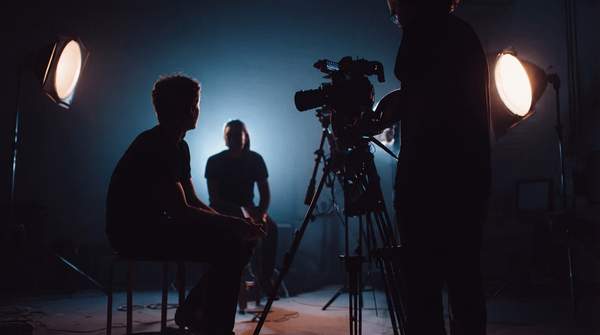
A filmmaker directing a holographic AI actor on a futuristic film set, symbolizing the evolving relationship between AI and human creativity in cinema.

Two films honored at the Oscars used AI technology to alter voices, a subtle integration that reveals a shifting landscape for human performers. This occurred even as the Academy clarified that only human-performed acting and human-authored writing are eligible for awards, setting a complex precedent for the 2026 film industry. The recognition of AI-assisted works by such a prestigious body quietly redefines what constitutes a film performance, impacting the trajectory of human actors.

AI offers unprecedented creative and financial efficiencies in filmmaking, from visual effects to character generation. Yet, the industry is simultaneously erecting barriers, with artists and institutions attempting to protect human artistry and intellectual property against rapid technological advancements. This tension defines the current period of innovation.

The film industry is entering a period of intense redefinition, where the economic incentives of AI will clash with established artistic values, leading to ongoing legal and ethical battles over the future of human creativity on screen. This central conflict shapes discussions around the AI impact on filmmaking and human actors in 2026.

The Irresistible Pull of AI in Production

Marvel directors Joe and Anthony Russo plan to invest $400 million to craft AI tools for filmmakers. The immense commitment of $400 million by Marvel directors Joe and Anthony Russo reflects a belief in AI's capacity to streamline processes and expand creative possibilities, fundamentally reshaping how films are made and potentially altering roles for human actors.

The economic imperative for AI adoption is clear, with the cost of AI sequences in films proving significantly lower than conventional special effects. One example demonstrates an AI sequence costing €500 compared to an estimated €20,000 for traditional methods, according to The Guardian. Such immense cost savings make AI adoption an economic imperative for studios, likely overriding ethical and artistic concerns about human displacement. This relentless pursuit of AI-driven efficiency will inevitably re-evaluate human artistic labor, rendering many traditional roles economically unviable and forcing the industry to adapt to new production paradigms.
Drawing Lines: Resistance and Redefinition

OpenAI, Google, writers, actors, and news organizations are involved in lawsuits over the alleged theft of work used to train AI models, as reported by BBC. These legal challenges expose a growing conflict over intellectual property rights, as creators seek to protect their existing work from appropriation without consent or compensation.

Matthew McConaughey's legal team secured trademarks in 2025 to ensure consent and attribution for the use of his voice or likeness in an AI world, according to Variety. Matthew McConaughey's proactive measure contrasts sharply with the reactive stance of institutions like the Cannes film festival, which banned AI from its Palme d'Or competition, stating AI cannot feel deep emotions, according to The Guardian. The fragmented response exposes a critical failure to establish comprehensive intellectual property protections, leaving human creators vulnerable to AI's unchecked appropriation and escalating the ethical concerns of AI in film production by 2026.

The Blurring Lines of Authorship and Performance

AI talent studio Xicoia unveiled a photorealistic AI actress named Tilly Norwood, heralding a future where synthetic performers could inhabit roles traditionally reserved for humans, according to Forbes. The unveiling of Tilly Norwood directly challenges the traditional concept of human performance and the unique value actors bring to a role.

Disney used Generative AI to create the opening sequence for its 2023 Disney+ show 'Secret Invasion', as also reported by Forbes. Disney's major studio adoption of AI for creative output marks a profound shift in how creative work is conceived and produced, blurring the lines of authorship and the human element in artistic endeavors. The emergence of photorealistic AI actresses like Tilly Norwood, coupled with major studio adoption of generative AI for creative output as seen in Disney's 'Secret Invasion', confirms that the very definition of 'performance' is already being quietly eroded. The erosion of the definition of 'performance' challenges the industry to decide if human 'feeling' or AI 'fidelity' will ultimately define cinematic artistry, questioning if AI will replace human actors in movies by 2026.

The Future of Human Creativity on Screen

The rise of the World AI Film Festival (WAIFF) in Cannes, showcasing AI-generated films, alongside traditional festivals like Cannes banning AI from its top awards, exposes a growing schism in how 'film' and 'artistry' are recognized. The growing schism suggests a future where AI-driven content may exist in a separate, economically powerful ecosystem, distinct from human-centric artistic endeavors.

The cinematic landscape now faces a profound choice: embrace the efficiency of AI or champion the irreplaceable nuance of human creation. The ongoing tension between AI's transformative power and the industry's protective measures portends a future where the very definition of 'filmmaking' will be continually negotiated. Safeguarding human artistry demands proactive engagement from all stakeholders, ensuring that technological advancement does not entirely eclipse the irreplaceable value of human creative input.

The debate surrounding AI's role in film will intensify, particularly as studios continue to prioritize cost-efficiency. By late 2026, major production houses like Paramount and Universal will likely face increased scrutiny regarding their AI adoption strategies, as legal challenges from organizations like SAG-AFTRA continue to evolve, seeking clearer protections for human performers and writers.