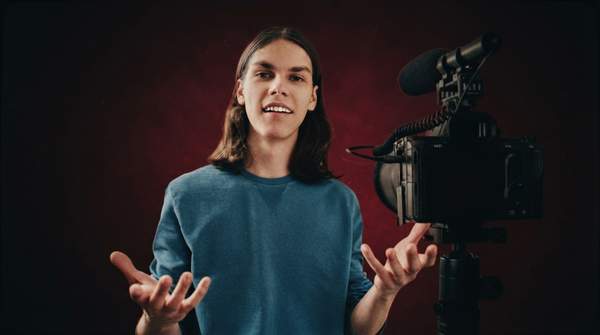
In 2023, an independent creator on Platform C, specializing in interactive live content, generated over $2 million. Direct fan engagement on niche platforms now unlocks significant financial opportunities beyond traditional ad-revenue models, a fundamental shift once exclusive to top-tier influencers on established social media.
Creators increasingly seek autonomy from large social media platforms. However, emerging alternatives demand new skill sets and strategic diversification, creating an equally demanding entrepreneurial grind.
Given the rapid growth of niche platforms and evolving creator demands, the creator economy will likely fragment further. Specialized content and direct fan engagement are rewarded over broad, ad-supported reach.
The global creator economy is projected to reach $480 billion by 2027, up from $250 billion in 2023, according to a Goldman Sachs Report. Yet, this growth comes with significant challenges: 70% of independent creators report 'platform fatigue' from managing multiple traditional social media presences. Furthermore, only 10% of creators on major ad-supported platforms earn above minimum wage. A re-evaluation of 'success' for independent creators is underway, shifting focus from audience size to sustainable income and community ownership, driving the search for better monetization on emerging digital platforms in 2026.
The New Frontier: Top Platforms Redefining Creator Success
1. TikTok
Best for: Short-form video creators, businesses, and influencers seeking broad reach and direct commerce.
TikTok's Growth Max leverages a format that generated $1.3 billion in the US in 2025, according to Metricool. Over 100,000 businesses have joined TikTok Shop across its first EU markets, showcasing its commerce capabilities. With a new £3.99/month ad-free subscription plan rolling out in the UK, TikTok offers creators diversified monetization beyond ads, pushing towards direct fan support.
Strengths: Expansive audience reach; robust e-commerce integration via TikTok Shop; new subscription monetization options. | Limitations: Algorithm dependency for discoverability; content format specific to short-form video; intense competition for views. | Price: Free for creators, revenue share on TikTok Shop sales and subscriptions.

2. AniBiz
Best for: Creators, brands, and manufacturers focused on the anime and manga intellectual property market.
Crunchyroll founder Kun Gao launched AniBiz to tap into the global anime market, estimated to exceed $35 billion this year, according to Variety. AniBiz positions itself as the official marketplace for Anime IP, simplifying licensing and collaboration within this specialized niche. AniBiz offers creators a direct, streamlined path to monetize their passion within a highly engaged, high-value fandom, bypassing traditional intermediaries.
Strengths: Direct access to official anime IP; specialized platform for a passionate, high-value niche audience; potential for unique collaborations. | Limitations: Highly niche market; dependent on IP holder participation; requires understanding of licensing and merchandising. | Price: Transaction fees on IP licensing and sales, specific rates not publicly disclosed.
Choosing Your Ecosystem: A Feature Breakdown
The 'best' platform depends on a creator's specific needs, content, and desired technical engagement. This table compares critical features to aid informed decisions.
| Platform | Best For | Core Monetization | Key Features | Limitations |
|---|---|---|---|---|
| TikTok | Short-form video creators, brands, and direct sales | Ad revenue, TikTok Shop sales, subscriptions | Massive audience, integrated e-commerce, trending content tools | Algorithm volatility, short-form video only, high competition |
| AniBiz | Anime IP creators, licensors, and merchandise producers | IP licensing, direct sales of anime-related goods | Official IP access, niche community, direct brand collaboration | Niche market, IP-centric focus, licensing complexities |
How We Chose: the criteria for Emerging Platform Excellence
The selection prioritizes platforms that shift power and profit back to creators. Evaluated platforms based on a minimum 50% year-over-year creator growth rate in 2023. Key criteria included revenue share models that return 70% or more to creators, innovation in community tools, direct monetization, and creator ownership. We also considered user experience and ease of onboarding for independent creators. Finally, platforms needed a clear focus on niche content or specialized creator needs, moving beyond general social media.
The Future is Fragmented: Navigating the New Creator Economy
The trend towards niche platforms accelerates, with 60% of new creator sign-ups in 2023 occurring outside the top 5 social media giants, according to a Creator Economy Trends Report. The future for independent creators is not about finding one 'next big thing,' but strategically building diversified presences across multiple specialized ecosystems. Creators diversifying across 2-3 specialized platforms report 30% higher average monthly income than those reliant on a single platform, according to a Creator Financial Health Study. However, discoverability within a fragmented ecosystem remains a challenge, demanding proactive self-promotion. Creators must also invest time in learning and adapting to platform-specific tools and community norms.
The creator economy will likely continue its fragmentation, rewarding those who master niche engagement and diversified monetization, provided they effectively navigate platform-specific demands and multi-platform management.