Film & TV

How the Independent Film Festival Ecosystem Works: A Complete Guide

The film festival circuit can feel like a labyrinth of costly fees and rejection notices. This guide breaks down the independent film festival ecosystem, providing a strategic roadmap from submission to selection.

JM
Julian Mercer

April 4, 2026 · 8 min read

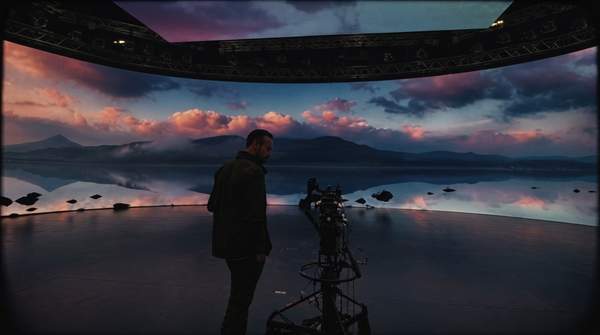
A determined independent filmmaker, illuminated by a screen showing a film festival schedule, strategizing their path through the complex film festival ecosystem.

The glow of the monitor casts long shadows across the editing bay, the final cut of a film finally, painstakingly, locked. For the independent filmmaker, this moment is not an ending but a precipice. Before them lies the vast, often bewildering, independent film festival ecosystem—a sprawling circuit of deadlines, laurels, and whispered-about deals. It’s a world where a premiere at the right festival can launch a career overnight, yet for many, it becomes a labyrinth of costly submission fees and dispiriting rejection notices. The path through is not paved with luck alone; it is built upon a foundation of strategy, research, and a deep understanding of how the system truly functions. Guides provide filmmakers with practical knowledge on packaging films, researching festivals, managing costs, preparing submissions, and understanding festival operations and selection criteria, turning a game of chance into a calculated journey.

What is the Independent Film Festival Ecosystem?

The independent film festival ecosystem is the global network of organized events that showcase, celebrate, and create a marketplace for films produced outside of major studio systems. More than just a series of screenings, a film festival is a temporary convergence of art and commerce. According to a report in The Loneliness Economy, which notes that over 3,000 such festivals take place annually, these events are a cornerstone of independent cinema. They are often the first, and most crucial, connection between a new film and its potential audience, critics, and distributors. A festival run is where a small, personal film can begin its ascent, finding the momentum that might carry it to streaming platforms or theatrical release.

This ecosystem can be understood through its three core components. First is the festival itself: the celebratory, public-facing element filled with screenings, Q&As, and red carpets, where filmmakers and audiences share in the communal experience of cinema. Second is the market: the concurrent, industry-focused business side where sales agents, distributors, and producers meet to broker deals. Finally, and most essentially, there is the audience: the passionate viewers who champion new voices and whose reactions, often formalized through Audience Awards, can signal a film's commercial potential. Together, these elements create a dynamic environment that can bestow credibility, generate industry buzz, and ultimately, give a film a future.

How Film Festival Submissions and Selections Work: A Step-by-Step Guide

Navigating the festival circuit requires a methodical approach that begins long before the first submission fee is paid. The process is a blend of artistic finality and shrewd marketing, where the film itself is only one part of a much larger package. Success often hinges on a filmmaker’s ability to transition from creator to strategist.

  1. Step 1: Finalize and Package the FilmBefore a film can be submitted, it must be complete not only in its edit but in its presentation. This "packaging" is a critical step detailed in numerous filmmaker guides. It involves creating an Electronic Press Kit (EPK) that includes a compelling synopsis (both short and long), a thoughtful director's statement articulating the film's vision and thematic resonance, high-resolution production stills, and a professional poster. The screener link itself must be flawless—high-quality, easily accessible, and password-protected. This package is the festival programmer's first encounter with your project; it must be as polished and professional as the film itself.
  2. Step 2: Conduct Strategic Festival ResearchThe most common mistake is a "shotgun" approach—submitting widely and indiscriminately. A strategic filmmaker curates their submission list. Research festivals that align with your film’s identity. Is it a genre film perfect for a horror or sci-fi festival? Is it a regional story that would resonate at a local event? Does it feature a strong social message that aligns with a human-rights-focused festival? While the "Big Five"—Cannes, Berlin, Sundance, Venice, and Toronto—represent the pinnacle, hundreds of other prestigious festivals offer incredible opportunities. Pay close attention to premiere requirements, as many top-tier festivals demand that a film has not screened publicly elsewhere.
  3. Step 3: Manage the Submission Process and BudgetPlatforms like FilmFreeway have streamlined the logistics of submitting to multiple festivals, but they have not eliminated the cost. Submission fees can range from $25 to over $100 per festival. A thoughtful budget is essential. Track early-bird, regular, and late deadlines, as fees increase over time. Prioritize festivals that offer the best potential return on investment, whether through networking opportunities, prize money, or industry attendance. This financial planning is a non-negotiable part of a serious festival strategy.
  4. Step 4: Understand the Internal Selection ProcessOnce you click "submit," your film enters a rigorous vetting process. It will likely be viewed by a team of screeners or programmers who are tasked with watching hundreds, if not thousands, of submissions. They are looking for more than technical competence. They seek a unique authorial voice, a story that surprises or moves them, and a film that fits within the broader curatorial vision of that year's program. The director's deft touch in conveying a clear, resonant theme is often what elevates a submission from the "maybe" pile to a firm "yes." The selection process is a human one, driven by taste, debate, and the search for discovery.
  5. Step 5: Leverage an Acceptance LaurelAn acceptance email is a moment of triumph, but it is also a call to action. You must immediately shift into promotion mode. Update your film's website and social media with the festival's official selection laurels. Prepare your travel and accommodation logistics. Most importantly, engage with the festival's marketing team. Provide them with all requested materials promptly and be ready to participate in interviews or Q&A sessions. An acceptance is not just a screening slot; it's an opportunity to build buzz.
  6. Step 6: Maximize the Festival ExperienceAttending your film’s screening is only a fraction of the festival experience. The real work happens in the spaces between films. Attend industry panels, watch other filmmakers' work, and participate in networking events. The goal is to connect with peers, programmers, and potential collaborators. Be prepared to speak concisely and passionately about your current film and your future projects. A festival is a community, and becoming an active participant is key to building a sustainable career.

Common Pitfalls in Navigating the Independent Film Festival Circuit

The path is fraught with potential missteps that can waste time, money, and opportunity. Many rejections are not a judgment on the film's quality but a result of a flawed strategy. As one comprehensive guide for filmmakers notes, success often comes down to avoiding common, unforced errors.

  • Submitting an Unfinished Film: The temptation to submit a "work-in-progress" cut to meet an early deadline is strong, but it is almost always a mistake. Programmers are inundated with finished films and rarely have the imaginative bandwidth to look past temporary music, uncolored footage, or rough sound design. Your submission represents your best work; ensure it is truly finished.
  • Ignoring Festival Rules and Premiere Status: Every festival has specific rules regarding eligibility, runtime, and premiere status. Failing to read the fine print is a frequent cause for disqualification. Submitting a film that has been available on YouTube to a festival that requires a "World Premiere" is an immediate rejection and a wasted submission fee.
  • A Poorly Crafted Submission Package: A fantastic film can be sunk by a terrible synopsis, a broken screener link, or a lack of compelling stills. Programmers may interpret a sloppy submission package as a reflection of the filmmaker's overall professionalism. The supporting materials are the frame for your art; they must be crafted with equal care.
  • Neglecting a Clear Strategy: Aimlessly submitting to dozens of festivals without a clear goal is a recipe for financial and emotional exhaustion. A strong strategy tiers festivals into "reach," "target," and "safety" categories. It prioritizes events that align with the film's genre and the filmmaker's career goals, ensuring each submission fee is a calculated investment rather than a hopeful gamble.

Understanding Independent Film Festival Awards and Their Impact

While the experience of screening for an audience is a reward in itself, the awards bestowed at a festival's closing ceremony can profoundly alter a film's trajectory. These accolades are more than just trophies; they are a recognized currency of credibility within the industry. The film's visual language may win over a critic, but an award can capture the attention of a distributor. A Grand Jury Prize, selected by a panel of esteemed industry figures, serves as a powerful artistic endorsement. It signals that a film is a significant achievement, worthy of critical attention and a wider release.

Equally important is the Audience Award. Voted on by the festival-going public, this prize is often a key indicator of a film's commercial potential. A film that connects deeply with viewers is one that distributors believe can find a paying audience in the broader marketplace. Many Oscar-winning films, from CODA to Slumdog Millionaire, began their journey with a pivotal Audience Award win at a major festival. Beyond these top prizes, festivals often give awards for directing, screenwriting, cinematography, and acting, each one adding to a film's prestige and a filmmaker's professional profile.

I've sat in countless festival screenings where the energy of the crowd palpably shifts a film's destiny. The shared gasps, the unified laughter, the profound silence during the credits—these are the moments that build momentum. When an Audience Award is announced, you can almost see the doors of opportunity swing open. The laurels, the awards, and the critical praise all become part of the film's story, a narrative of success that attracts industry players and opens pathways to distribution that were previously closed. Ultimately, a successful festival run transforms a film from a standalone project into a proven, celebrated work of art.

Frequently Asked Questions

How much does it cost to submit to film festivals?

Costs for film festival submissions vary widely, ranging from free at some smaller or specialized festivals to over $100 for prestigious ones, especially for late deadlines. Filmmakers should budget several hundred to several thousand dollars for submission fees alone, depending on their strategy. Utilizing early-bird deadlines is a key way to manage these costs effectively.

Do I need a distributor before submitting to festivals?

No, and in most cases, it is preferable not to have one. Film festivals serve as a primary marketplace where independent films find distribution deals. Arriving at a festival as an unattached project, or "acquisition title," makes your film more attractive to the sales agents and distributors in attendance who are actively looking for new content to acquire.

What are film festival programmers looking for?

While specific tastes vary, programmers are universally searching for films with a strong, original voice and a compelling vision. They value high-quality storytelling and technical proficiency. Beyond the individual film, they are also curating a balanced and engaging program for their audience, so they consider how a film fits thematically and tonally with other selections.

Can a short film get a distribution deal?

Yes, it is possible. While feature films are more commonly acquired for theatrical distribution, short films can secure deals with streaming platforms (like The New Yorker or Short of the Week), be packaged into anthologies, or be licensed for broadcast. More often, a successful short film serves as a powerful calling card, demonstrating a director's talent and helping them secure funding and support for a future feature project.

The Bottom Line

The independent film festival circuit is not a lottery but a complex ecosystem that rewards preparation, strategy, and artistic vision in equal measure. Acceptance into festivals can provide the crucial credibility, exposure, and industry access needed to launch a career. For the emerging filmmaker, the most critical step is to approach this world not with blind hope, but with a well-researched plan built from the practical knowledge available in filmmaker guides and resources.