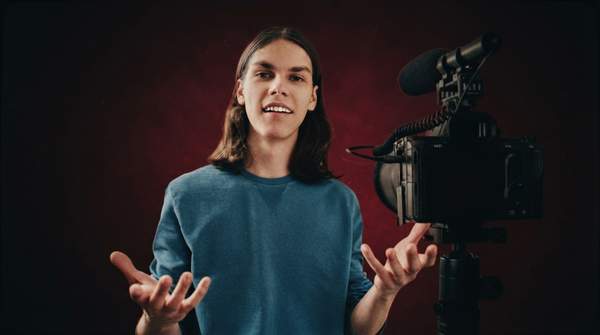
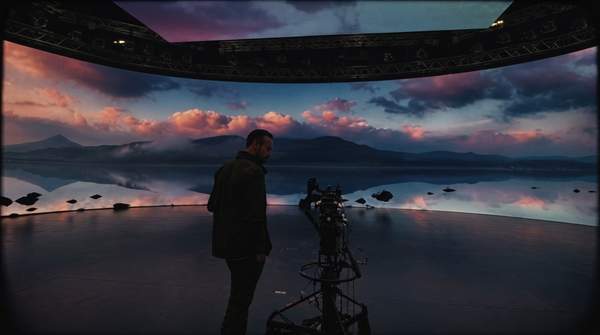
A flood of AI-generated content makes it increasingly difficult to distinguish authentic work, challenging the livelihoods of every creative professional, from musicians and writers to visual artists. Creators are pushing for human-made content labels to help audiences verify the origin of digital media and restore trust. This shift is about the future value of your craft.
Who Is Affected
The music industry, on the front lines of disruption, faces tangible consequences from undifferentiated AI content. According to a report from altitudesmagazine.com, the initial belief that streaming platforms could effectively self-regulate the influx of AI music has proven to be a miscalculation, leading to direct financial repercussions for artists.
The core issue is what the Recording Academy has termed a 'royalty dilution' problem. Streaming services like Spotify, which now hosts over 100 million tracks, pay artists from a shared pool of revenue based on their percentage of total streams. When that pool is flooded with low-cost, AI-generated tracks, the value of each stream decreases, directly cutting into the earnings of human artists. According to MIDiA Research, AI-generated or AI-assisted tracks were estimated to account for 10 to 15 percent of all new monthly uploads to major streaming platforms as of the first quarter of 2026. This isn't a future threat; it's a present reality impacting your bottom line.
A broad spectrum of creators beyond musicians also face this challenge:
- Visual Artists and Designers: Your portfolios on platforms like Instagram and Behance now compete with an endless stream of AI-generated images, making it harder for clients and audiences to find and value original, human-driven design.
- Writers and Journalists: The proliferation of AI-written articles and blog posts threatens to devalue expert-driven content. Establishing your work as authentically human-researched and written becomes a critical differentiator.
- Filmmakers and Video Producers: With the rise of AI video generation tools, proving that your film was shot, directed, and edited by a human crew may soon become a mark of prestige and quality. You can explore more on this topic in our analysis of how AI video generators are reshaping content creation.
Why are human-made labels crucial for content authenticity?
The call for human-made labels stems from a fundamental shift in the digital landscape: AI is rapidly transforming how content is made. According to KPMG, most online content in the next few years may not come directly from a human. This creates an environment where authenticity is no longer a given, but a feature that must be proven. For creators, the context of your work—the story behind it, the effort invested, and the unique perspective you offer—is now your most valuable asset.
Audiences instinctively feel this distinction: the KPMG report notes consumers increasingly value human-curated work for its inherent authenticity, intention, and accountability. When a person creates something, a point of view and purpose drive choices. These qualities remain stubbornly human, difficult for algorithms to convincingly replicate. Your ability to surprise, embed personality, and produce genuinely original work separates your craft from automated output. A "human-made" label signals this value, a shortcut for audiences seeking connection and trust.
This movement provides clarity, not technology rejection. As lines blur, a simple verification system allows consumers to make informed choices about the media they consume and support. It allows you to clearly communicate the nature of your work, protecting the value of your skills and labor in an increasingly crowded marketplace. The goal is a more transparent ecosystem where both human-created and AI-assisted works can coexist, with origins clearly marked.
The Impact of AI-Generated Content on Creator Trust
The music industry's voluntary measures have proven insufficient against unchecked AI content growth, leading to a tangible erosion of trust. Spotify's mid-2025 voluntary AI content label feature, for instance, has an estimated adoption rate under 3 percent of eligible new releases, according to altitudesmagazine.com. This demonstrates that without mandatory standards, the system remains opaque, leaving artists and listeners in the dark.
Industry organizations demand more robust solutions following this breakdown. Major record labels, represented by the IFPI, are reportedly pushing for mandatory AI disclosure at the point of upload, acoustic fingerprinting to identify synthetic tracks, and segregated royalty pools for AI-generated content. This would prevent AI tracks from diluting the earnings of human artists. The existing pro-rata royalty model, designed for a world where the marginal cost of creating a song was measured in human hours, is simply not built for this new reality. As Harvey Mason Jr., CEO of the Recording Academy, stated to the U.S. Copyright Office, "That assumption no longer holds."
This challenge isn't unique to music. Broader tech initiatives have also struggled to gain traction. According to a report from thenews.com.pk, the C2PA standard, an industry-backed effort to create verifiable content credentials, has had limited impact despite support from major tech companies. This suggests that top-down technical solutions alone may not be enough. The push for human-made labels is a grassroots response from creators themselves, born from the necessity of protecting their work and their relationship with their audience. It's a clear signal that the current frameworks for trust and compensation are breaking.
What Comes Next
Looking ahead, the path toward clear content labeling is likely to be defined by a mix of industry pressure, platform policy changes, and creator-led initiatives. The demands from music's major labels for mandatory disclosure represent a significant push for systemic change. However, enforcement remains a complex hurdle. As one intellectual property attorney noted to altitudesmagazine.com, "You can pass a law, but if the upload originates from a jurisdiction with no reciprocal enforcement agreement, the label’s only remedy is platform-level takedown." This highlights the global nature of the challenge and the difficulty of creating a universally enforceable standard.
For you, the creative professional, the future will likely involve navigating a hybrid environment. Experts predict a new era of content creation that combines human artistic vision with machine learning support. The key will be transparency. Media companies and individual creators who succeed will be those who design intentional, hybrid workflows that blend automation with human editorial judgment. Your strategy should focus on how you can leverage AI as a tool while clearly communicating the human-led aspects of your process. This is central to maintaining media industry trust in an age of automation.
The conversation is also shifting from a focus on detecting AI to one on verifying humanity. Instagram Head Adam Mosseri has suggested that authentic content verification could ultimately be more effective than trying to build infallible AI detectors. This sentiment is echoed in creative movements like the "Played By Humans" initiative from the music label Jazz Is Dead, which centers the human element in its branding and philosophy. As you move forward, watch for the development of new verification tools and standards. The immediate next steps will be to see how platforms like Spotify, YouTube, and Instagram respond to the growing pressure for mandatory, clear, and reliable labels that honor the distinction between human and machine creation.