Media Industry

What Is the Role of a Showrunner in Modern Television Production?

In modern television, the showrunner is the ultimate creative and logistical force, shaping series from concept to screen. They are the narrative architects and operational commanders, balancing artistic vision with the realities of production.

AF
Amelia Frost

April 4, 2026 · 9 min read

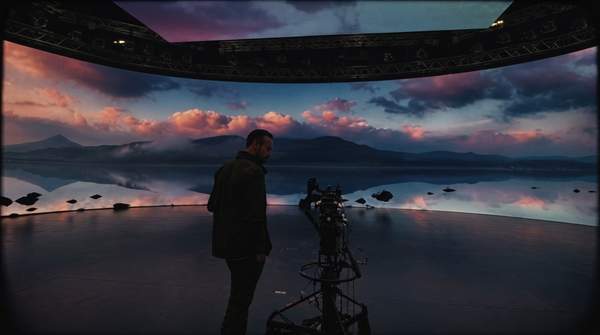
A showrunner, a central figure, leads a diverse TV production team in a modern control room, discussing a scene on a large screen, symbolizing creative and logistical leadership.

Despite hundreds of names in the closing credits, the showrunner is the true author of a television series. This evolving role makes them the narrative architect and logistical commander of episodic stories that define our contemporary cultural moment. As television ascends into a medium of novelistic depth and cinematic ambition, understanding this figure at its creative and operational center is vital for discerning viewers and industry observers.

The term "showrunner" arose as "executive producer" became diffuse, applied to financial backers and senior writers. A new designation was needed for the individual with ultimate creative and managerial authority. The showrunner orchestrates a series from conception to broadcast, acting as the constant, central consciousness amidst rotating directors, writers, and crew. In television's golden age of complex, long-form narratives, the showrunner is the medium's novelist or film auteur, shaping the worlds we see on screen.

What Is a Showrunner?

A showrunner is the top-level executive producer, holding primary creative control and management responsibility for a television series. This individual leads a show from development to post-production, arbitrating all creative and logistical matters. The role fuses a head writer's artistic sensibilities with a chief executive's pragmatic leadership. They are the story's primary custodians, ensuring every element—from dialogue to lighting—serves a coherent and compelling narrative vision.

The showrunner acts as a conductor for a vast orchestra. While individual masters like the director of photography, production designer, episode director, and staff writers play their parts, the showrunner holds the complete score. They set the tempo, cue entrances, and modulate dynamics, ensuring hundreds of contributions coalesce into a harmonious symphony. The showrunner reads the narrative score, understands its thematic movements, and guides every department. Scribd.com describes them as "the person responsible for all creative aspects of the show and responsible only to the network."

  • Creative Stewardship: The showrunner establishes and protects the series' tone, themes, and overarching narrative arcs. They typically lead the writers' room and, in many cases, are the most prolific writer for the show.
  • Managerial Leadership: They are responsible for hiring and managing key creative personnel, including writers and directors. The 2023 Writers Guild of America contract, for instance, explicitly defines the showrunner as the writer responsible for hiring other staff writers.
  • Logistical Oversight: The showrunner is accountable for the production's budget and schedule. They must ensure that the creative ambitions of each episode are achievable within the financial and temporal constraints set by the studio or network.
  • Primary Liaison: They serve as the central point of contact between the creative team and the executive powers of the studio and distribution platform. This involves translating network notes, advocating for the show's needs, and managing high-level relationships.


Core Responsibilities of a Showrunner

A showrunner's responsibilities span a television series' entire lifecycle, from before cameras roll to beyond the final wrap. According to NABA, the role merges a head writer's expertise with an executive producer's, leading to a varied daily schedule. Their work covers three distinct, often overlapping, phases: development and pre-production, principal photography, and post-production.

In the initial phase, the showrunner is the architect. If they created the series, they have likely spent years developing the concept, writing the pilot script, and creating the "series bible"—a foundational document outlining the show's world, characters, and long-term narrative trajectory. Once a series is greenlit, the showrunner’s first critical task is to assemble the writers' room. This is a process of creative casting, finding a group of writers with diverse voices and experiences who can collectively build out the season's storylines. The showrunner leads this room, breaking down the season into individual episodes, assigning scripts, and meticulously rewriting and polishing every draft to ensure a consistent voice and quality. Simultaneously, they are deeply involved in pre-production, collaborating with casting directors to find the perfect actors, approving production designs, and hiring episodic directors who can execute the established visual language of the show.

Once production begins, the showrunner’s role shifts from architect to on-site supervisor. While an episodic director is responsible for the day-to-day filming of their assigned script, the showrunner remains the ultimate creative authority. They are a constant presence, whether physically on set or available remotely, to answer questions, solve problems, and ensure the filmed material aligns with the overarching vision. They are, as StudioBinder notes, responsible for "keeping the actors happy, and sticking to the budget for each episode." This requires an immense capacity for multitasking: one moment they might be approving a last-minute script change to accommodate a location issue, the next they are in a budget meeting, and the next they are reviewing dailies (the raw, unedited footage from the previous day's shoot) to provide feedback to the director.

The final phase, post-production, begins as soon as the first episode is filmed and often runs concurrently with the production of later episodes. Here, the showrunner becomes the final editor of the story. They work closely with the episode’s editor to shape the raw footage into a coherent and emotionally resonant narrative. This involves selecting the best takes, pacing the scenes, and making difficult decisions about what to cut. The showrunner also oversees sound design, musical scoring, and the integration of visual effects. They are present for every major step, from the initial editor's assembly to the final color correction and sound mix, ensuring that the finished product is a polished and powerful realization of the story that began as mere words on a page in the writers' room months, or even years, earlier.

Balancing Creative Vision with Production Logistics

The showrunner’s most profound challenge is negotiating artistic ambition with logistical reality. Scribd.com aptly describes showrunners as "hyphenates," a hybrid of "starry-eyed artists and tough-as-nails operational managers." This duality demands they be both dreamer and pragmatist, balancing story possibilities with finite time and money.

On one hand, the showrunner is the chief creative officer, the guardian of a narrative flame. Their primary allegiance is to the story—to its characters’ truths, its thematic integrity, and its emotional impact. This often compels them to push for more: a more complex visual effect, an additional day of shooting for a pivotal scene, a more expensive location that perfectly captures the story’s essence. They must defend the creative vision against the forces of compromise, serving as a protective shield for the writers and directors against external pressures that might dilute or flatten the work. They are the ones who must argue to a studio executive why a seemingly minor character detail is, in fact, essential to the season's arc.

The showrunner serves as CEO of a multimillion-dollar enterprise, accountable for budgets reaching hundreds of millions for high-end series. Every creative decision carries financial consequences; for instance, a large crowd scene increases costs for background actors, wardrobe, and crew. Showrunners must understand production logistics, able to 'mind budgets and run interference with studio and network bosses,' as Scribd.com notes. They find creative solutions to financial problems, rewriting scenes to be more contained without sacrificing narrative purpose. This constant balancing act is where a good showrunner becomes a great one, requiring the art of achieving a champagne-level vision on a beer-level budget, and knowing which battles to fight and compromises to make without betraying the show's soul.

Why the Showrunner Role Matters

The rise of "auteur showrunners" like Vince Gilligan (Breaking Bad), Shonda Rhimes (Grey's Anatomy, Scandal), and Phoebe Waller-Bridge (Fleabag) demonstrates the profound impact a unified creative voice can have over hundreds of hours of storytelling. In a fragmented media environment, showrunners centralize creative responsibility, enabling the singular, sustained vision that has made television the dominant narrative art form of the 21st century.

For audiences, showrunners provide a point of connection and trust. Viewers learn their narrative signatures, thematic preoccupations, and stylistic sensibilities, fostering an authorship that encourages following creators across projects. Investing in a series means investing in the showrunner's promise for a coherent, satisfying story. Their stewardship ensures a character’s journey in season four honors season one's foundations, thematic threads weave throughout the narrative, and the final chapter feels earned and inevitable.

For the industry, the showrunner model effectively manages modern television's immense complexity. Vesting ultimate authority in a single, creatively-invested individual streamlines decision-making and fosters accountability. This structure powers the 'long tail' entertainment economy, where, as Scribd.com observes, 'viewers don't watch networks. They watch shows.' The showrunner makes the show, and in today's landscape, the show is everything. Understanding their role appreciates the artistry, leadership, and dedication required to bring stories to life.

Frequently Asked Questions

What is the difference between a showrunner and a director?

A showrunner is the chief executive and creative head of an entire television series, responsible for its overall vision from start to finish. A director, in television, is typically hired on an episodic basis to helm one or more specific episodes. While the director controls the on-set filming and performance for their block of episodes, they work under the creative guidance and final authority of the showrunner, who ensures consistency across the entire season.

How does a person become a showrunner?

The most common path to becoming a showrunner is to rise through the ranks of a television writers' room. A person typically starts as a staff writer, then progresses to story editor, executive story editor, co-producer, producer, supervising producer, and co-executive producer. By demonstrating strong writing skills and leadership abilities over many years, a writer can eventually be entrusted to create and run their own series or take over an existing one.

Do showrunners write every episode of their show?

While showrunners are almost always writers and serve as the head writer, they do not personally write every single episode. They lead a team of writers who are assigned individual scripts. However, the showrunner is deeply involved in breaking the story for every episode, and they typically perform a final, significant rewrite on every script to ensure it aligns with the show's consistent tone, character voices, and overarching plot.

The Bottom Line

In modern television, the showrunner acts as the ultimate author and chief executive, serving as the indispensable nexus for both creative vision and logistical execution. This hybrid role demands artistic integrity to guide a story from a simple idea to a global phenomenon, alongside the managerial acumen required for complex, collaborative production.