Creators

What Is a Showrunner? A Guide to Television's Creative Architect

The showrunner is arguably the most pivotal yet misunderstood role in modern television, acting as the singular vision holding together a sprawling collaborative art form. This guide explores their multifaceted responsibilities and why they are the true authors of a series.

JM
Julian Mercer

March 31, 2026 · 7 min read

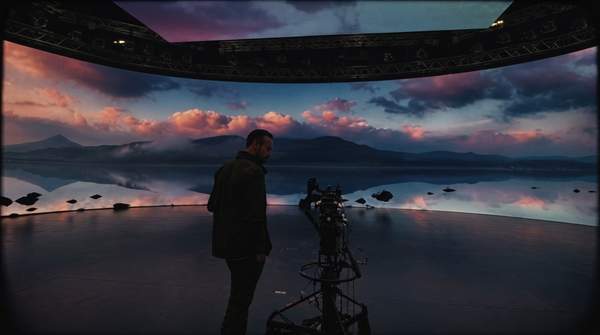
A showrunner, the creative architect of a TV series, stands on a soundstage, reviewing scripts and storyboards, embodying the multifaceted responsibilities of modern television production.

In the vast constellation of credits that scroll past our eyes after a season finale, one title holds a unique gravity, a quiet authority over every frame we’ve just witnessed. The role of a showrunner is arguably the most pivotal in modern television, yet it remains one of the most misunderstood. They are the ghost in the machine, the architect of worlds seen and unseen, the singular vision holding together a sprawling collaborative art form. But what, precisely, does a showrunner do?

The question has become more resonant in an era often called "Peak TV," where the sheer volume of content has placed an unprecedented emphasis on narrative consistency and authorial voice. As viewers, we no longer just follow networks; we follow shows, and by extension, we follow the creators who helm them. Understanding the showrunner is to understand the fundamental power structure of television storytelling. It’s the key to deciphering how a series maintains its soul across dozens of hours, multiple directors, and a small army of cast and crew. This figure is the nexus of art and commerce, the final arbiter of every creative and logistical decision that shapes the stories we invite into our homes.

What Is a Showrunner?

A showrunner is the top-level executive producer of a television series, holding overall responsibility for leading an audiovisual project. They are the chief executive officer of a television show, orchestrating the entire creative and production process from the initial idea to the final broadcast. The term itself, according to Wikipedia, was created to identify the single executive producer who holds ultimate management and creative authority, the person to whom the network and studio look for the final word. They are, in essence, the true author of a television series.

Think of a showrunner as the architect of a skyscraper. While hundreds of specialists—engineers, electricians, designers, construction workers—are essential to building the structure, it is the architect who holds the master blueprint. They conceived the design, they ensure every floor aligns with the one below it, and they make the final call when a wall needs to be moved or a support beam reinforced. An episode’s director is like a foreman for a single floor, executing the vision within a specific space, but the architect oversees the integrity of the entire building. This hierarchy, where the showrunner’s creative authority outranks that of individual episode directors, is a defining characteristic of television production and a stark contrast to the director-centric model of feature films.


The role is a fusion of two distinct and often conflicting disciplines, merging the expertise of a head writer with that of an executive producer. This duality requires a unique skillset, creating what one industry observer called "hyphenates"—a hybrid of artist and operational manager. Their core responsibilities include:

  • Creative Stewardship: Defining and maintaining the show's tone, themes, and long-term narrative arcs.
  • Writers' Room Management: Leading the team of writers to break stories, develop plots, and write scripts.
  • Production Oversight: Collaborating on casting, selecting directors, and approving production design and cinematography to ensure a cohesive visual style.
  • Logistical and Financial Command: Managing budgets, overseeing production schedules, and serving as the primary liaison with the studio and network.

What Are a Showrunner's Responsibilities From Conception to Broadcast?

The showrunner’s journey with a series is an end-to-end marathon, beginning long before the cameras roll and continuing well after they’ve wrapped. Their oversight is the throughline that connects every disparate phase of production into a coherent whole. While the specific tasks evolve, their purpose remains constant: to protect and execute the creative vision while delivering the show on time and on budget.

In the earliest stages of development and pre-production, the showrunner is primarily a writer and a world-builder. In most scripted dramas and comedies, the showrunner is the head writer or the most prolific one, personally crafting the pilot and the "series bible"—a foundational document that outlines the characters, plot, and thematic direction for the entire show. They assemble and lead the writers' room, guiding the collective process of brainstorming and outlining a full season of episodes. According to the New Academy of Fine Arts (NABA), a key part of this phase is ensuring each episode aligns with the overall narrative vision. Simultaneously, they oversee crucial creative decisions like casting the actors who will embody their characters and collaborating with directors to establish the show's definitive visual language.

Once production begins, the showrunner’s focus expands dramatically. They become the central hub of a massive logistical operation. While they may delegate the moment-to-moment direction of a scene to an episode director, the showrunner retains final say on scripts, performances, and any creative choices made on set. They hire and, when necessary, fire writers and key crew members. They are constantly troubleshooting, solving the hundreds of problems—from script inconsistencies to scheduling conflicts—that arise daily. This phase is a relentless balancing act between protecting the creative integrity of a scene and the practical necessity of staying on schedule.

During post-production, the showrunner moves from the set to the editing bay. Here, they work closely with editors to shape the raw footage into a finished episode. This is where the final rhythm, pacing, and emotional impact of the story are calibrated. They oversee sound design, music composition, and visual effects, ensuring every element serves the narrative. At the same time, they manage their relationship with the studio and network, presenting cuts for approval, navigating executive notes, and advocating for their creative choices. From the first word on the page to the final sound mix, the showrunner’s hand guides the process.

The Essential Skills of a Master Showrunner

The demands placed upon a showrunner are immense, requiring a rare blend of artistic talent and executive leadership. It is not enough to be a brilliant writer; one must also be a decisive manager, a skilled diplomat, and a meticulous planner. Veteran producer John Wells, who has overseen more than a thousand hours of television, identifies four essential areas for any successful showrunner to master, as outlined on his company's website, John Wells Productions.

First is Scheduling and Deadlines. Television production operates on an unforgiving clock. Wells’s insights suggest that organization is perhaps the single most important skill, as the relentless pressure of delivery dates leaves no room for error. A showrunner must be an expert at time management, not just for themselves but for an entire production.

Second is Communication. A showrunner leads a diverse team of hundreds of creative individuals. According to the guidance from John Wells Productions, "appropriate, timely, respectful, and thoughtful communication is central to leadership." They must be able to clearly articulate their vision to writers, directors, actors, and executives, ensuring everyone is working toward the same goal.

Third, and crucially, is Delegation. The sheer volume of work makes it impossible for one person to handle everything. The guide from Wells’s company notes that many first-time showrunners mistakenly believe they must make every single decision. A great showrunner knows how to hire talented people, trust them to do their jobs, and empower them by actively delegating portions of the workload.

Finally, all these skills culminate in Leadership. The showrunner sets the tone for the entire production. They must inspire their team, navigate conflicts, and make difficult decisions under pressure. This also extends to the financial realm; to maintain creative control, a showrunner must have access to the budget and participate fully in financial decisions, marrying their artistic ambitions with fiscal reality.

Why the Showrunner Matters

In an increasingly fragmented media environment, the showrunner provides something essential: a singular, guiding voice. The director may be the auteur of a film, but television, with its long-form narrative, belongs to the showrunner. Their vision is the thematic and emotional constant that allows a story to deepen and evolve over years. When we praise a show for its intricate plotting, its consistent character arcs, and its resonant themes, we are, in effect, praising the work of its showrunner.

Their influence directly shapes the viewer's experience. The reason a show like Succession feels so distinctively sharp, or why The Good Place felt so meticulously planned, is because the sensibility of a specific creator—Jesse Armstrong and Michael Schur, respectively—was embedded in its DNA. The showrunner is the ultimate guarantor of quality and coherence. In a world of endless content choices, their name on a project has become a trusted brand, a promise to the audience of a particular kind of story, told with a particular kind of care.

Frequently Asked Questions

What's the difference between a showrunner and an executive producer?

A showrunner is a specific type of executive producer (EP). While a television show can have many EPs—including principal actors, financiers, or non-writing producers—the showrunner is the one EP with ultimate creative and managerial control. They are the chief of staff, so to speak, among the other producers.

Is the showrunner also the director?

It is rare for a showrunner to direct more than an occasional episode of their own series. Their primary responsibility is to oversee the entire show, and they hire different directors for each episode or block of episodes. In the television hierarchy, the showrunner's vision takes precedence, and the episode director is tasked with executing that vision.

How does someone become a showrunner?

The most common path to becoming a showrunner is through the writers' room. A person typically starts as a staff writer and, over many years and multiple shows, works their way up the ladder: from story editor to producer, supervising producer, and co-executive producer. After demonstrating consistent writing talent and leadership skills, a writer may be given the chance to create and run their own series.

The Bottom Line

The showrunner, functioning as the true author of modern television, embodies a dual role as both a creative visionary and a pragmatic operational manager, providing the steady hand that guides a massive collaborative enterprise from its initial concept to a globally recognized series. Their credit serves as the signature of the artist who meticulously built that world, particularly evident after a season that has moved, thrilled, or challenged its audience.