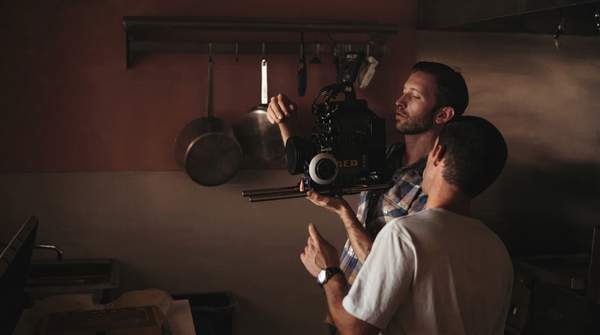
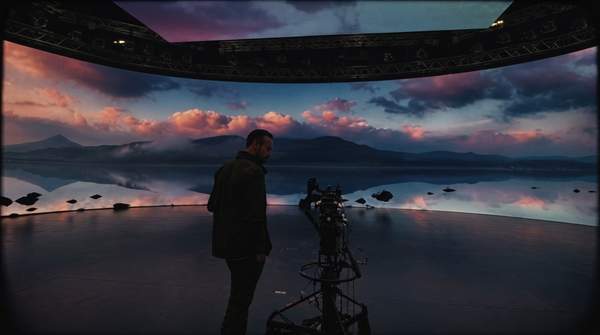
For the solitary author, completing a manuscript is a threshold, not an end, leading to a labyrinth of submissions, contracts, and negotiations where art meets commerce. For nearly every traditionally published author, navigating this passage involves a literary agent, who serves as a crucial guide, advocate, and architect of a writer’s career in publishing and film. Agents are the first professional champions of a story, seeing its potential not only on the page but also as a flickering image on a screen, and possessing the map to both territories.
What Is the Role of a Literary Agent?
A literary agent is a professional who acts on behalf of an author to represent their written work to publishers, film producers, and other media outlets. More than a mere salesperson, the agent is a strategic partner who develops an author's career, beginning with the refinement of a manuscript or book proposal and extending through the negotiation of complex contracts for publishing, dramatic rights, and other intellectual property. According to the agency Savvy Literary Services, whose founder Leticia Gomez has placed over 200 books, an agent’s duties include developing and reviewing proposals, strategizing to place them with the right editors, and negotiating deals with both publishers and film producers. Their work is a delicate balance of editorial acumen, business savvy, and a deep network of industry relationships, all marshaled in service of the author's work and long-term success.
How the Process Works: From Manuscript to Screen
A literary agent orchestrates the structured, multi-stage process from a completed manuscript to a published book and potential screen adaptation. This requires careful strategy and expert navigation, as each step builds upon the last. The agent guides the author through this challenging landscape, ensuring each stage is handled effectively.
- Step 1: Securing RepresentationBefore an agent can represent a manuscript, the author must first secure their services. This is typically achieved through a "querying" process, where the author sends a formal introductory letter, a synopsis, and sample pages to agents who represent their genre. Agents are inundated with submissions, and their decision to request a full manuscript hinges on a compelling concept and, most importantly, the quality of the prose. In a Q&A on Jane Friedman's blog, Jillian Davis, who established the book department at Kaplan Stahler Literary Agency, emphasizes this point. "The most singular thing that I look for is good writing," she states, "because I believe that a book can be about pretty much anything as long as the writing is good." While adaptation potential is a consideration, the foundation of it all remains the literary merit of the work itself.
- Step 2: Editorial Development and Submission StrategyOnce an author signs with an agent, the work often begins with a round of developmental edits. The agent provides an industry-insider’s perspective, helping the author refine the manuscript to make it as compelling and commercially viable as possible before it is ever seen by an editor. Following this, the agent develops a carefully curated submission list of editors and publishing imprints they believe would be the best fit for the book. This strategy is not a scattershot approach; it is a targeted campaign based on the agent's knowledge of individual editors' tastes, recent acquisitions, and current needs.
- Step 3: Negotiating the Publishing ContractWhen an editor makes an offer, the agent’s role as negotiator comes to the forefront. They are fluent in the arcane language of publishing contracts and work to secure the best possible terms for their client. This negotiation covers the advance against royalties, the royalty rates themselves, and a host of subsidiary rights—including audio, foreign, and, critically, dramatic (film and television) rights. The agent’s goal is to protect the author’s interests, maximize their earning potential, and retain as much control over the intellectual property as possible.
- Step 4: Pursuing Film and Television AdaptationIn today’s media landscape, where streaming services have an insatiable appetite for new content, the pursuit of a screen adaptation is more central to an agent's work than ever. The demand for intellectual property (IP) has surged, making books a prime source for new projects. This process can begin even before a book is published. The agent, often in partnership with a specialized film co-agent, will submit the manuscript or galley to a curated list of producers, studios, and production companies. According to an article on Jane Friedman's blog, dramatic rights deals have reportedly increased over the past few years, driven by the growth of streaming platforms.
- Step 5: Navigating the Option and Shopping AgreementsInstead of an outright sale, the first step in an adaptation deal is typically an "option." As explained in an article on Jane Friedman's blog, an option is an exclusive right, purchased by a producer for a set period, to develop the book into a screen project. This agreement grants them the time to commission a script, attach talent, and secure financing. Option fees can vary dramatically, from a few thousand dollars to hundreds of thousands, and the term is typically 12 to 24 months. A more recent and increasingly common alternative is the "shopping agreement." This also grants a producer exclusive rights to shop the project, but usually without an upfront payment and for a shorter period, often around six months. The agent’s role is to negotiate the terms of these agreements, ensuring the author is fairly compensated and that the rights revert if the project does not move forward within the specified timeframe.
- Step 6: Managing the Author’s Career Post-PublicationThe agent’s work continues long after the initial deals are signed. They are responsible for tracking sales, ensuring royalty statements are accurate, and disbursing payments to the author. Furthermore, they serve as a long-term career counselor, advising on promotional opportunities, discussing ideas for future books, and strategizing the next steps to build upon the author's success. This enduring partnership is fundamental to creating a sustainable career, transforming a single book deal into a lasting literary legacy.
Common Pitfalls in Navigating Publishing and Film Rights
The path to publication and adaptation is fraught with potential missteps. An author’s understanding of these common pitfalls, and how an agent helps to avoid them, is essential for a successful journey. The agent acts as a bulwark against both industry complexities and the author's understandable inexperience, providing crucial guidance.
- Focusing on Trends Over Craft. A frequent mistake is for a writer to chase market trends, attempting to write a book that feels "adaptable" at the expense of authentic storytelling. As agent Jillian Davis noted, good writing is the primary quality agents and editors seek. A well-told, character-driven story will always have more potential than a formulaic concept, as strong character development is often cited as crucial for a successful translation to a visual medium.
- Ignoring Dramatic Rights in Early Discussions. Authors new to the process may be so focused on the book deal that they overlook the importance of their film and television rights. According to a roundtable on Literary Hub, it is wise for authors to inquire about an agency’s capabilities with dramatic rights from the very beginning. Does the agency have an in-house film agent or a strong relationship with a co-agent in Hollywood? Understanding this early on ensures that a key asset of the author's intellectual property is poised for success.
- Confusing an Option with a Production Guarantee. Securing an option is a significant and exciting step, but it is not a guarantee that a film or series will be made. It is merely the start of a long and arduous development process. The personal account of Eric Jager, author of The Last Duel, details the winding, decade-plus journey from option to screen. An agent helps manage an author’s expectations, explaining the realities of Hollywood development and continuing to advocate for the project as it navigates that world.
- Neglecting the Agent-Author Partnership. Viewing the agent as a mere deal-maker rather than a career partner is a significant error. The strongest careers are built on a foundation of trust, open communication, and shared strategic vision between author and agent. The agent is a sounding board for new ideas, a shield against contractual pitfalls, and an advocate during the inevitable challenges of a creative life.
What Does a Literary Agent Do? Key Considerations for Authors
Beyond the step-by-step process, a deeper understanding of the agent’s role reveals nuances critical for navigating the modern media environment. The agent is the pivotal figure operating at the intersection of the literary and cinematic worlds, where their synergy has never been stronger.
A primary consideration is the agent’s expertise in the specialized world of film and television rights. Many literary agencies maintain dedicated departments or, more commonly, partner with co-agents who are specialists in the Hollywood ecosystem. These co-agents have direct relationships with producers, studio executives, and on-screen talent, enabling them to position a book effectively. They understand the unique submission seasons and protocols of the entertainment industry, which differ significantly from those of publishing. This two-pronged approach—a primary literary agent for the book and a co-agent for the screen—creates a powerful team to manage an author’s work across platforms.
Authors must understand how agents are compensated, as this structure is designed to align their interests. Agents work on commission, meaning they are paid a percentage of the author's earnings from deals they negotiate, and do not charge upfront fees for reading or representation. This ensures the agent is financially motivated to secure the best possible deals for their client, aligning their interests: when the author succeeds, the agent succeeds.
What makes a story resonate across media? While a high-concept plot attracts initial interest, compelling adaptations succeed by capturing the mood, aesthetics, and complex interiority of characters from the original work. An agent with a keen editorial eye identifies these qualities in a manuscript, articulating them to editors and producers, framing the story as a fully realized world ripe for exploration in another medium, not just a book.
Frequently Asked Questions
How do I find a literary agent for my book and potential film adaptation?
Finding an agent begins with thorough research. Authors should identify agents who represent their specific genre (e.g., science fiction, literary fiction, memoir) and have a proven track record. Agency websites, industry databases like Publishers Marketplace, and interviews with agents can provide valuable information. It is also beneficial to look for agents who explicitly mention an interest in or a history of handling film and TV rights. Once a list of potential agents is compiled, authors should follow their specific submission guidelines meticulously.
Does a literary agent take a commission on a film deal?
The literary agent and any film co-agent are compensated through a commission on all earnings from a dramatic rights deal, including the initial option fee, renewal payments, and the final purchase price if the project is produced. This commission-based structure motivates the agent to negotiate the most favorable financial terms for the author throughout the adaptation process.
What are "dramatic rights" and why are they so important?
Dramatic rights are the legal rights to adapt intellectual property, such as a book, into performance-based formats like film, television, stage plays, or podcasts. These rights are a distinct, valuable asset, separate from print or digital publishing rights. Securing a strong dramatic rights deal provides a substantial new income stream and can elevate an author's career, making their negotiation a critical function of the literary agent in an era dominated by visual media.
The Bottom Line
A literary agent's role in publishing and film encompasses being the author’s primary advocate, a career strategist, and a vital conduit between writing and the collaborative media and entertainment industries. For authors aspiring to see their work in print and on screen, building a strong partnership with the right agent is the most critical first step to transforming that vision into reality.