Behind the Scenes

What Is a Gaffer? A Guide to the Head of Film Set Lighting

Have you ever wondered how a film can make a brightly lit room feel menacing or a dark alley feel hopeful? The gaffer is the person responsible for executing that vision, blending artistic sensibility with deep technical expertise.

VR
Victor Ren

March 31, 2026 · 8 min read

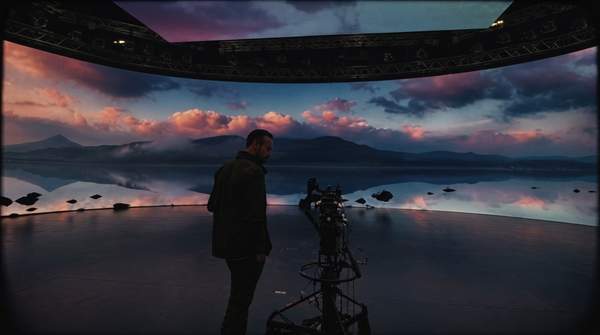
A gaffer on a film set, adjusting a large light fixture. The scene highlights technical precision and artistic vision in cinematic lighting.

Have you ever wondered how a film can make a brightly lit room feel menacing or a dark alley feel hopeful? The answer lies in carefully crafted light, and the person responsible for executing that vision is the gaffer. The role of a gaffer in film and TV production is one of the most crucial on set, blending artistic sensibility with deep technical expertise to shape the visual and emotional landscape of every single shot. Without their work, the cinematic worlds we love would remain in the dark.

Understanding the gaffer's role is essential for anyone interested in the practical realities of filmmaking. This position sits at the intersection of art and science, requiring a mastery of electricity, physics, and visual storytelling. The gaffer and their team are the hands-on implementers of the lighting scheme, translating the abstract goals of a director and cinematographer into a tangible, illuminated reality. This guide will break down the specifics of this vital role, from pre-production planning to on-set execution.

What Is a Gaffer?

A gaffer is the chief lighting technician and head of the electrical department on a film or video production set. In this capacity, the gaffer is responsible for designing and executing the lighting plan, working in close collaboration with the Director of Photography (DP), also known as the cinematographer. Think of the relationship between a gaffer and a DP as similar to that of a lead engineer and an architect. The DP, like an architect, conceives the overall visual style and mood. The gaffer, like the engineer, then determines the best practical methods, materials, and safety protocols to build that vision into a physical reality.

From a technical standpoint, the gaffer manages a team of lighting technicians who physically place, power, and operate all the lighting instruments. This team is often referred to as the electrical department. The gaffer's responsibilities are multifaceted, covering creative input, personnel management, equipment logistics, and, most critically, electrical safety. According to an article from MasterClass, the term 'gaffer' is believed to originate from British slang for a 'gaff,' a hooked pole that was historically used by stagehands to adjust overhead lights in theaters.

Key Responsibilities of a Gaffer in Film and TV

The gaffer's duties span the entire production lifecycle, from the early days of pre-production to the final wrap. Their work is a constant balance of creative interpretation and logistical problem-solving. Let's dive into the specifics of their core responsibilities.

1. Pre-Production and PlanningLong before the cameras roll, the gaffer is deeply involved in planning. After reading the script, they meet with the director and the Director of Photography to understand the intended look and feel for each scene. This involves breaking down the script to identify lighting requirements, such as time of day, location, and desired mood. The gaffer will attend location scouts to assess the practical challenges of each setting. They analyze existing power sources, identify potential safety hazards, and begin formulating a plan for how to power the extensive lighting packages required for a professional shoot.

2. Collaboration with the Director of Photography (DP)The gaffer is the DP's right hand. Throughout production, they maintain a constant dialogue to ensure the lighting achieves the specific aesthetic goals. The DP might communicate in artistic terms, saying, "I’m thinking a soft, warm source here and a cooler, harder backlight there." As explained by howtofilmschool.com, it is the gaffer’s job to translate that creative request into a precise technical instruction for their crew. This might sound something like: "I want to key with a book light. Let’s bounce 2x 1200x’s into an ultrabounce coming back through light grid. Land at a f/2.8. Then let’s get a 600c + F10 Fresnel backlight at an f/5.6 from back there." This translation is the core of the gaffer-DP relationship.

3. Managing the Lighting and Electrical CrewAs the head of the electrical department, the gaffer is a manager. They oversee a team that includes the best boy electric, lighting technicians (electricians), and sometimes generator operators. The gaffer’s second-in-command is the best boy electric, who handles the administrative and logistical side of the department. This includes hiring crew, ordering equipment, managing inventory, and tracking work hours. The gaffer delegates tasks to the lighting technicians, who are responsible for running cables, setting up lights, and making adjustments on set under the gaffer's direction.

4. Power Distribution and Electrical SafetyThis is arguably the most critical and non-negotiable responsibility of a gaffer. A film set uses an immense amount of electricity, and managing it safely is paramount. The gaffer must calculate the total electrical load for all the lights and other equipment to avoid overloading circuits. They determine whether to use power from the location ("house power") or bring in large, mobile generators. The gaffer designs the entire power distribution system, ensuring that heavy-duty cables are run safely to prevent tripping hazards and protect them from damage. Every connection must be secure and up to code to prevent electrical fires, equipment damage, and injury to the cast and crew.

5. Equipment Selection and RiggingBased on the DP's vision and the production's budget, the gaffer selects all the necessary lighting equipment. This includes a vast array of instruments, from massive 18,000-watt HMI lights that can simulate sunlight to small, versatile LED panels. They also select the modifiers needed to shape the light, such as silks for diffusion, flags to create shadows (negative fill), and bounces to reflect light. The gaffer works closely with the key grip, who heads the department responsible for building the physical supports (rigging) for these lights. Together, they ensure that heavy lights can be safely mounted on stands, hung from ceilings, or attached to cranes.

The Gaffer's Role in Lighting Design and Execution

A gaffer with years of experience knows precisely how a certain light fixture combined with a specific type of diffusion will look on camera, allowing them to offer options to achieve a desired effect more efficiently or effectively. This deep technical knowledge makes them an active and essential partner in a film's visual design, suggesting creative solutions the Director of Photography may not have considered.

On set, the gaffer directs the electrical crew to execute the lighting plan for each shot. This process is methodical and precise.

  • Setting the Key Light: The gaffer first establishes the primary light source in the scene, known as the key light. This light creates the main illumination and defines the most visible shadows.
  • Adding Fill Light: Next, they use a fill light to soften the shadows created by the key light. The ratio of key to fill light determines the scene's contrast and, by extension, its mood (e.g., high contrast for drama, low contrast for comedy).
  • Placing the Backlight: A backlight (or "hair light") is often placed behind the subject to separate them from the background, creating depth and a three-dimensional look.
  • Shaping and Controlling Light: Throughout this process, the gaffer and their team use a variety of tools to shape and control the light. They use barn doors on the lights, nets to reduce intensity, and flags to block light from hitting certain parts of the set. Gels are used to change the color temperature, making a scene feel warmer (more orange/yellow) or cooler (more blue).

This intricate dance of placing, shaping, and balancing light is repeated for every single camera setup. According to an article from professional video production company Blare Media, gaffers must have a deep understanding of cinematography, electrical work, and safety procedures to make fast, practical decisions on a dynamic film set. Their ability to troubleshoot and improvise is crucial when facing unexpected challenges, such as changing weather during an outdoor shoot or a malfunctioning piece of equipment.

Why the Gaffer Matters

The gaffer's work directly impacts a story's emotional resonance, as they are the craftsperson responsible for creating emotional cues with light. Light is a fundamental tool of visual storytelling: it directs the audience's eye, reveals character, establishes mood, and defines the film's world. For example, harsh, high-contrast light can evoke danger and suspense, while soft, diffused light can feel safe, romantic, or nostalgic.

Every shadow, highlight, and subtle shift in color on screen results from a deliberate choice, executed by the gaffer and their team. This intricate, often invisible work by technicians reveals the immense collaboration and specialization required to create a polished cinematic product. It highlights that filmmaking extends beyond the camera and actors, relying on those who build the world frame by frame.

Frequently Asked Questions

What is the difference between a gaffer and a best boy?

The gaffer is the head of the electrical department, responsible for the overall lighting plan and its execution. The best boy electric is the gaffer's second-in-command. While the gaffer focuses on the creative and technical implementation on set, the best boy manages the department's logistics, including personnel, equipment rentals, and administrative tasks.

Who does the gaffer report to?

The gaffer reports directly to the Director of Photography (DP). The DP is the head of the camera and lighting departments and is responsible for the overall visual look of the film. The gaffer works to execute the DP's vision.

How do you become a gaffer?

The path to becoming a gaffer typically starts with an entry-level position as a production assistant or a set lighting technician, then advancing to best boy electric and eventually gaffer. This career requires extensive hands-on experience, a deep understanding of electrical principles and safety, and a strong creative eye for lighting, with on-set experience being indispensable.

What is "gaffer tape"?

Gaffer tape is a heavy-duty, cloth-backed adhesive tape used extensively on film sets. Unlike duct tape, it has a strong, heat-resistant adhesive that removes cleanly from most surfaces without leaving a sticky residue. The gaffer's team uses it for countless tasks, such as securing cables to the floor, attaching color gels to lights, and marking positions for actors or equipment.

The Bottom Line

The gaffer leads a film set's lighting and electrical department, serving as the crucial link between the Director of Photography's artistic vision and the complex technical reality of illuminating a scene. By managing a skilled crew, ensuring electrical safety, and masterfully shaping light, the gaffer crafts the visual atmosphere that defines a film.