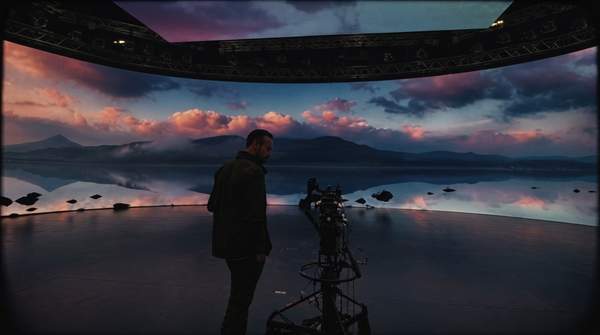
While a director's name often dominates a film's marketing, it is the cinematographer who, from selecting specific lenses to overseeing the final color grade, meticulously crafts every visual detail seen on screen. This extensive involvement shapes the film's visual narrative and aesthetic foundation, guiding audience perception and emotional engagement.
The cinematographer is central to a film's visual storytelling, yet their artistic and technical contributions are often overlooked by general audiences. This oversight diminishes public understanding of a crucial creative role, though a deeper appreciation for this skill and collaborative synergy enhances the viewing experience.
The Visual Architect: Defining the Cinematographer's Core Role
A cinematographer is responsible for a film's technical and creative visual look, according to AFI. This role translates abstract ideas into tangible visual elements. While Studiobinder states their primary goal is to capture the director's vision, AFI also emphasizes a passion for visual storytelling as crucial. This tension suggests impactful cinematographers interpret and infuse personal artistic brilliance into another's creative framework. They are visual architects, shaping a film's aesthetic from initial concept through final color grade, a level of artistic stewardship often overshadowed by the director's credit. The role demands both technical mastery and a profound artistic sensibility to sculpt a film's visual language.
Crafting the Frame: The Cinematographer's Technical & Artistic Toolkit
The cinematographer selects cameras and lenses, determines lighting, collaborates with production designers on sets, and works with the director on shot setup, as noted by AFI. Their responsibilities also encompass camera placement, movement, lens choice, shot size, composition, aspect ratio, and focus, according to Studiobinder. Post-production, they oversee the final color grading, ensuring aesthetic consistency with the initial vision, as reported by AFI. This extensive technical toolkit confirms that a film's visual language is a highly specialized craft, not a general directorial whim, demanding recognition for the cinematographer's specific expertise.