Advertising

Top 7 Digital Marketing Strategies for Entertainment Brands in 2026

Looking for the most effective digital marketing strategies for entertainment brands? This guide breaks down seven innovative approaches to engage modern audiences and cut through the noise of a saturated media market.

LH
Leo Hartmann

March 31, 2026 · 8 min read

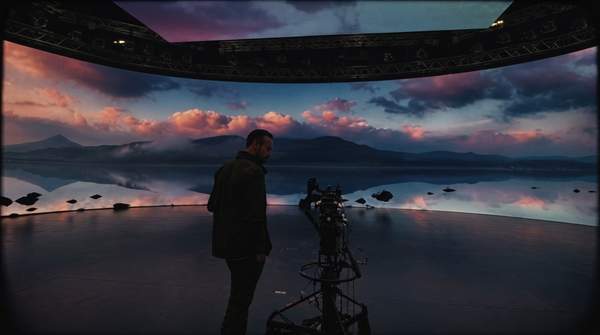
A vibrant, futuristic cityscape with holographic ads for entertainment brands, showcasing marketing professionals collaborating on digital strategies for film, streaming, and gaming in 2026.

Seven innovative digital marketing strategies for entertainment brands are presented in this ranked guide, designed for marketing executives, studio producers, and brand managers navigating a saturated media market. These approaches were evaluated for their demonstrated industry application, potential for high audience engagement, and adaptability across film, streaming, and gaming verticals.

The ranking was compiled from case studies and industry reports on digital marketing tactics implemented or developed by leading entertainment and media companies.

1. Purpose-Driven Marketing — Best for Building Long-Term Brand Affinity

Purpose-driven marketing builds brand identity through shared values, connecting a brand to social or cultural causes rather than just product features. This fosters deeper consumer connections. Dove's 'Real Beauty' campaign, launched in 2014, exemplifies this; its focus on self-esteem and challenging unrealistic beauty standards became central to the brand's identity, as noted by Convince & Convert. This strategy differentiates brands in a market increasingly valuing companies that reflect personal values.

Ideal for established entertainment brands like major film studios or TV networks with resources to authentically champion causes long-term, this strategy builds durable brand equity, outperforming sales-focused campaigns less susceptible to market fluctuations. The main drawback is perceived inauthenticity: misaligned messages risk significant consumer backlash and damaged trust. Success demands genuine, organization-wide commitment, not just a marketing effort.

2. High-Impact Influencer Collaborations — Best for Mass Market Brand Association

Nike's marketing success, built on masterful influencer partnerships with popular athletes, exemplifies leveraging established personalities in digital marketing. This strategy involves collaborating with influencers, from celebrities to niche creators, whose audience aligns with the brand. As of 2022, Nike was the most valuable global apparel brand for seven consecutive years, holding a 15% sportswear market share, according to Convince & Convert. Such collaborations transform products into aspirational symbols within a cultural context.

High-impact influencer collaborations suit entertainment brands launching major new properties—blockbuster films, AAA video games, or tentpole streaming series—requiring immediate, widespread awareness. This method often surpasses traditional advertising by leveraging a creator's trusted voice. However, high costs and brand-safety risks are significant limitations; influencer controversies can create negative brand associations, and ROI is difficult to measure directly in sales conversions versus general brand lift.

3. Structured Affiliate Programs — Best for Scalable Performance-Based Growth

Skillshare, an online learning platform, uses a well-structured affiliate program with influencers to boost brand visibility. This performance-based model compensates third-party partners for generating traffic or leads. As of 2023, this strategy enrolled over 115,000 students in its courses, as cited by Convince & Convert. The program incentivizes creators to produce authentic content, effectively turning satisfied users into a distributed marketing team.

Ideal for entertainment brands with subscription-based models or digital products—streaming services, online gaming, or educational content hubs—this strategy ranks above awareness campaigns due to its direct link to conversions and cost-effectiveness, with payment tied to results. Drawbacks include the need for robust tracking and careful management to prevent fraud and ensure guideline adherence. Without clear, consistent communication, brand messaging can diffuse among partners.

4. AI-Powered Personalization at Scale — Best for Enhancing Individual Fan Engagement

Major League Baseball (MLB) reportedly uses AI to create personalized daily video recaps for fans, while Amazon employs similar technology for AI-powered recaps of its Prime Video shows. This exemplifies how personalized content, essential for audience retention as noted by a 2026 Deloitte Digital Media Trends report, utilizes AI to analyze user data and generate tailored content. Such customization transforms passive viewing into a more personal, engaging interaction, fostering greater loyalty.

Ideal for large-scale media platforms and sports leagues with vast content libraries and diverse user bases, this approach significantly increases user engagement by tailoring content to individual tastes. It surpasses simple recommendation algorithms by actively creating new, personalized content assets. However, significant technological investment and data infrastructure are required, alongside careful navigation of growing consumer and regulatory data privacy concerns.

5. Vertical Video Adoption — Best for Capturing Mobile-First Audiences

Entertainment brands are adapting to mobile-driven content consumption, where vertical video formats—popularized by platforms like TikTok, Instagram Reels, and YouTube Shorts—have become a primary mode of engagement. The Deloitte report on digital media trends confirms this shift, noting that major streaming platforms such as Disney+ and Netflix are now adopting vertical videos and creating phone-first shows specifically to boost daily engagement.

This vertical video strategy is particularly effective for entertainment brands targeting younger demographics, specifically Gen Z and Millennials, for whom the mobile-first experience is native. It excels at marketing film and television series through trailers, clips, and behind-the-scenes content, integrating seamlessly into social media feeds and capturing immediate attention more effectively than traditional landscape-format video marketing. A key drawback, however, is that producing high-quality vertical content is not as simple as cropping existing assets; it often requires a separate production workflow, adding to both costs and complexity. Furthermore, maintaining relevance demands a high volume of content to keep pace with fast-moving social feeds.

6. Creator-Focused Generative AI — Best for Streamlining IP-Safe Content Production

The rise of generative AI presents both opportunities and challenges for the entertainment industry, particularly concerning intellectual property. This strategy focuses on developing and utilizing AI tools that are specifically designed to work within established legal and creative frameworks. According to Deloitte, Adobe is actively developing "IP-safe" generative AI models. These tools are being designed for the entertainment industry to assist in the creation of content while mitigating the risks of copyright infringement that can arise from models trained on unrestricted public data. This approach positions AI as a collaborative tool for creators rather than a replacement.

This is a forward-looking strategy best for large production houses, animation studios, and visual effects companies that rely on a high volume of digital asset creation. It offers a way to accelerate production workflows and reduce costs while maintaining creative control and legal compliance. It is a more strategic approach than simply adopting off-the-shelf AI tools, as it prioritizes the specific needs and risks of the entertainment sector. The main limitation at this stage is the relative immaturity of the technology. The development of truly robust and "IP-safe" generative AI is an ongoing process, and widespread adoption will depend on its proven reliability and the establishment of clear industry standards.

7. Always-On Social Commerce — Best for Monetizing Year-Round Fandom

Modern fandom is a continuous, year-round activity, not just something that activates around a new release. This strategy involves creating a persistent digital presence that allows for ongoing fan engagement and monetization, even during a property's off-season. The Deloitte report suggests that to boost retention and monetize this engagement, entertainment brands could host year-round social content and shopping experiences. This transforms social media from a purely promotional channel into a direct revenue stream, integrating merchandise, exclusive content, and interactive experiences into a cohesive fan community.

This approach is ideal for entertainment franchises with dedicated, high-engagement fan bases, such as those for major sci-fi, fantasy, or superhero properties. It allows brands to capitalize on the community's passion between major releases, creating a more stable and predictable revenue model. It ranks over traditional, launch-window-focused merchandise sales because it fosters an ongoing relationship with the consumer. The key drawback is the substantial and continuous effort required to manage these communities and produce a steady stream of compelling content and products. Without consistent investment, fan interest can wane, and the "always-on" channel can fall silent.

Strategy NameCategory/TypeKey Metric/ExampleBest For
Purpose-Driven MarketingBrand BuildingDove's "Real Beauty" Campaign (2014)Building long-term brand affinity and trust.
High-Impact Influencer CollaborationsSocial Media MarketingNike's athlete partnershipsAchieving mass market reach and association.
Structured Affiliate ProgramsPerformance MarketingSkillshare: 115,000+ students enrolled (2023)Driving scalable, conversion-focused growth.
AI-Powered PersonalizationData-Driven MarketingMLB/Amazon AI-powered video recapsEnhancing individual fan engagement.
Vertical Video AdoptionContent StrategyNetflix/Disney+ phone-first showsCapturing daily attention of mobile users.
Creator-Focused Generative AITechnology/ToolsAdobe's "IP-safe" modelsEmpowering creators and streamlining production.
Always-On Social CommerceMonetizationYear-round social content and shoppingMonetizing fan engagement between releases.

How We Chose This List

The strategies selected for this list were chosen based on documented examples from industry reports and case studies provided by sources like Deloitte and Convince & Convert. We prioritized tactics that represent a shift from traditional advertising, focusing on community building, personalization, and leveraging new technologies. Excluded were generic strategies such as standard SEO or email marketing, in favor of approaches more specific to the dynamic entertainment landscape, where audience attention is the primary currency. The ranking reflects a progression from foundational brand-building philosophies to more technologically advanced, forward-looking tactics that are shaping the future of media engagement.

The Bottom Line

For entertainment brands focused on establishing deep, long-term consumer trust in a crowded market, a purpose-driven marketing approach offers a strong foundation. For those aiming to leverage cutting-edge technology for fan retention and deeper engagement, AI-powered personalization provides a direct path to enhancing individual user experiences and building loyalty.