Content Creation

Google Launches Veo 3.1 Lite AI Video Creation Tool

Google has launched Veo 3.1 Lite, a new AI video generator model designed for content creators. This cost-effective tool aims to democratize sophisticated video production, reshaping workflows and the creative economy.

TC
Tara Collins

April 2, 2026 · 5 min read

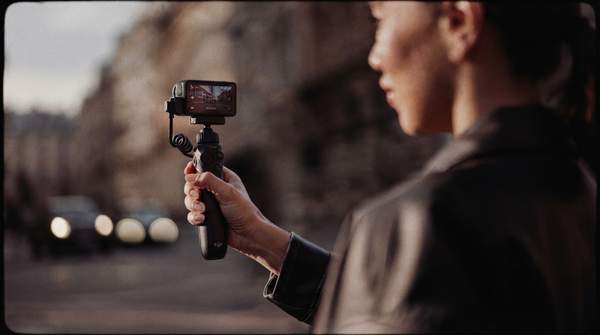
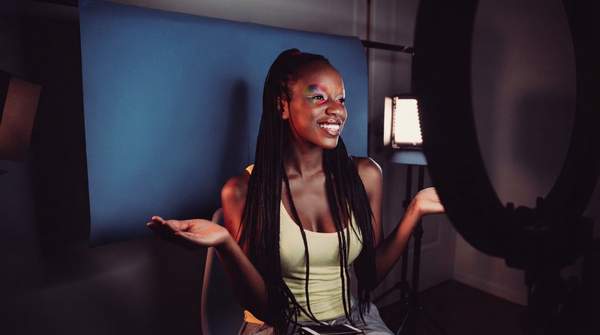
A content creator uses Google Veo 3.1 Lite, an AI video generator, on a futuristic interface, symbolizing accessible and powerful video production for the creative economy.

Google has launched Veo 3.1 Lite, a new AI video generator model designed for content creators.

The latest AI video creation tool offers a powerful option in the rapidly evolving market, enabling professionals to generate video content directly from text and image prompts. This development signifies growing accessibility of sophisticated production technology. It arrives as other platforms integrate advanced AI, fundamentally altering traditional workflows and presenting new efficiencies and challenges for the creator economy.

What We Know So Far

  • Google has officially launched its new AI video generator model, named Veo 3.1 Lite, according to reports from CNET and TechGenyz.
  • The model is positioned as a more cost-effective solution for AI video generation, as reported by CNET.
  • The launch comes as competitors enhance their offerings; for instance, CapCut recently integrated the Dreamina Seedance 2.0 AI tool, according to TrendHunter.
  • This integration allows CapCut users to generate high-quality videos from simple text prompts, reference images, or existing video clips.
  • The rise of these tools also brings potential downsides, highlighted in a recent report from The Cool Down, where a creator detailed how a scammer used generative AI to digitally replace her in a video.

Latest Advancements in AI Video Generation Technology Explained

Google's Veo 3.1 Lite translates text-based ideas and visual inputs into coherent, high-quality video sequences for the hands-on creator market. This model, a significant entry from a major technology player, analyzes vast datasets of video and text to understand concepts, aesthetics, and motion, generating new footage aligned with user prompts, even as full capability details emerge.

The key differentiator highlighted in initial reports is its focus on efficiency. CNET notes that Veo 3.1 Lite is being presented as a "more cost-effective model." This suggests a strategy aimed at lowering the barrier to entry for creators, freelancers, and small production houses who may find other premium AI video solutions to be cost-prohibitive. By making advanced generation more accessible, you may soon be able to experiment with and integrate AI video into your projects without requiring a substantial budget, potentially leveling the playing field for producing high-polish content.

For your workflow, this means the ability to quickly prototype concepts, generate b-roll footage, or create entire short-form videos from a simple script. Instead of sourcing stock footage or setting up a complex shoot, describe a scene—like "a drone shot of a futuristic city at sunset" or "a close-up of a chef plating a delicate dessert"—and receive a video clip. This advancement integrates generative AI as a standard tool in the digital content creator's toolkit, similar to AI image generators for concept art and social media assets.

How AI Video Creation Tools Are Transforming Content Production Workflows

The integration of Dreamina Seedance 2.0 into the popular video editing app CapCut exemplifies a broader industry trend fundamentally reshaping content production. According to TrendHunter, this tool empowers creators to generate complete videos from simple prompts, reference images, or existing footage, dramatically reducing the technical expertise and time once required. This launch, alongside tools like Veo 3.1 Lite, highlights this transformation.

Production is shifting toward more automated, all-in-one workflows. TrendHunter reports this integration "signals a shift toward fully automated content creation workflows, where video production, editing, and audio syncing are handled within a single platform." For creators, this consolidation means less time switching between different software for ideation, asset creation, editing, and post-production. The entire process becomes more fluid and centralized, allowing generation, editing, effects, and publishing within the same ecosystem, streamlining the path from concept to final product.

The practical benefits are immediate: TrendHunter notes that for creators, freelancers, and small businesses, this means "faster turnaround times and lower production costs, enabling more consistent and scalable output." This efficiency allows production of daily social media videos or multiple ad variations for A/B testing in a fraction of the time. It unlocks agility and responsiveness to trends, a critical advantage in the fast-paced digital media environment, democratizing tools to compete on creativity and strategy, rather than on production budget.

Market Impact: New AI Video Tools Reshaping Industries

The proliferation of accessible AI video generators intensifies the competitive landscape as platforms race to integrate more intuitive and powerful AI features. This competition focuses on creating seamless, end-to-end solutions that cater directly to modern creators. The market result is standalone tools being challenged by integrated platforms offering a comprehensive suite of creative services, from generation to editing and distribution.

However, this technological leap forward is not without significant challenges and ethical considerations. The same tools that empower creativity can also be used for malicious purposes. A stark reminder of this came from a creator who, as reported by The Cool Down, discovered a scammer had used generative AI to create a video of her, effectively stealing her likeness to promote a fraudulent product. This incident underscores a growing concern within the creator community about digital impersonation, intellectual property theft, and the potential for misinformation. As you adopt these tools, it becomes crucial to also consider the security of your own digital identity.

This dual impact—democratizing production while introducing new risks—is forcing a necessary conversation about regulation, platform responsibility, and digital watermarking. The market is at an inflection point; while potential for creative expression and business growth is immense, the industry must simultaneously develop robust safeguards to protect creators from exploitation. Your role as a creator is evolving: beyond making content, you must now be a savvy navigator of these new technological and ethical terrains, advocating for standards that ensure a safe and fair creative ecosystem.

What Happens Next

With the launch of Google's Veo 3.1 Lite, the immediate focus shifts to its real-world performance, pricing, and accessibility. The creative community is now waiting for more detailed demonstrations and documentation to understand how it compares to established and emerging competitors. Key questions remain about its limitations, resolution outputs, and the specific guardrails Google has implemented to prevent misuse.

Looking forward, you should monitor how these tools are integrated into larger creative suites, such as Adobe Creative Cloud or Google's own platforms. The next phase of this evolution will likely involve deeper, more seamless integrations that make AI a background assistant rather than a standalone novelty. The industry will also be closely watching for legislative and platform-led responses to the ethical challenges, particularly concerning deepfakes and the unauthorized use of a person's likeness. Your feedback and adoption patterns will play a crucial role in shaping the future development and governance of these transformative technologies.