Media Industry

Northern Ireland Proposes Film TV Tax Breaks to Boost Jobs

A new proposal for film and TV tax breaks in Northern Ireland is projected to generate thousands of new jobs and provide a significant boost to the region's economy, according to industry reports.

LH
Leo Hartmann

April 1, 2026 · 3 min read

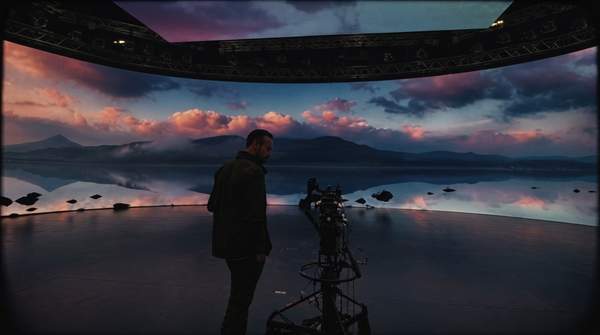
A vibrant film set in Northern Ireland, showing crew, cameras, and lighting against scenic green hills, symbolizing job growth and economic investment in the region's media industry.

Northern Ireland's economy is projected for a significant boost and thousands of new jobs from a new film and TV tax breaks proposal, according to industry reports.

Designed to attract domestic and international productions, the proposed fiscal incentives would make Northern Ireland a more competitive filming location. Industry observers project this policy could elevate the region to a major production hub, leveraging its existing infrastructure and skilled workforce. Initial projections outline substantial job creation across screen industries, hospitality, and construction.

What We Know So Far

  • Northern Ireland has a proposed new film and TV tax incentive program, reported by outlets like the Irish Film & Television Network.
  • Economic modeling projects thousands of new jobs in local media and supporting services.
  • Forecasts indicate significant positive economic impact for Northern Ireland.
  • The initiative aims to position the region as a competitive hub for large-scale international film and TV productions.

Economic Boost for Northern Ireland Film Industry

The proposal projects economic growth beyond direct production roles, stimulating ancillary businesses like catering, transportation, accommodation, and construction for set building. Major productions establish vast support networks, creating a ripple effect that benefits the local economy.

The creation of thousands of jobs would encompass a variety of specialized roles. These positions include on-set crew such as camera operators, sound engineers, and lighting technicians, as well as extensive pre-production and post-production teams. Roles like those of a production designer, who is responsible for the visual concept of a film, are critical and often require hiring local artists and craftspeople. Furthermore, a consistent pipeline of projects helps sustain and grow a local talent base, reducing the need for productions to bring in crew from other regions and fostering a self-sufficient creative ecosystem.

Though specific economic boost figures are not publicly detailed, the projected job creation suggests a multi-million-pound injection into Northern Ireland's economy. This targeted investment aims to build long-term capacity, fostering studio infrastructure and post-production facilities.


How Film Tax Incentives Work in Other Regions

Though Northern Ireland's proposed tax break details are undisclosed, the model is a well-established economic development tool in the global media industry. Other regions, like the U.S. state of Kentucky, have used similar incentives to attract Hollywood and international productions, demonstrating their potential local economic impact.

In the Lexington, Kentucky area, a program offering up to 35% in refundable tax credits has yielded measurable results. According to a report from WKYT, the incentives supported approximately 19 projects, which in turn generated an estimated local economic impact of almost $3 million. The influx of production personnel also led to the booking of over 6,000 hotel rooms, directly benefiting the local hospitality sector. This activity helps build a reputation for a location as a viable and welcoming place for filming. "Word is traveling that Kentucky is a very untapped region," one local film official told the outlet, highlighting how incentives can put a new location on the production map.

What We Know About Next Steps

The proposal for Northern Ireland's film and TV tax breaks is currently in a preliminary stage. Official details regarding the specific percentage of the tax credit, eligibility criteria for productions, and the total budget allocated for the program have not yet been publicly released. The initiative will require a formal review and approval process by the relevant governmental bodies before it can be implemented.

A timeline for this legislative or administrative process has not been announced. Further information is expected to be made available as the proposal moves through the necessary stages of consideration. Until then, the full scope and mechanics of the plan remain subject to official confirmation.