A flicker of recognition, a subtle shift in expression—captured and processed not by human intuition, but by an algorithm. Large language models recently achieved an astonishing 82% correct answers on emotional intelligence tests, dramatically eclipsing the 56% scored by human participants. This capacity for AI to interpret the intricate tapestry of human feeling is profound, raising unsettling questions about the future of AI generated content vs human storytelling emotional depth 2026.
Yet, this remarkable proficiency in emotional intelligence and expression from AI models is met with a growing concern. Their widespread integration into creative fields threatens to diminish the nuanced storytelling and unique artistic vision traditionally provided by humans.
Companies and creators adopting AI for emotional content generation must therefore carefully balance efficiency gains with the potential for artistic dilution. The technology's true impact on creative depth remains an unfolding narrative, still emerging and highly variable.
AI's Surprising Grasp of Human Emotion
Beyond the headline figures, large language models reveal a surprising aptitude for emotional understanding. ChatGPT-4, for instance, secured impressive scores of 26 and 27 on the Reading the Mind in the Eyes Test, a notable deviation from random response patterns, according to PMC. These visual mentalizing scores align closely with established human benchmarks.
Advanced AI models possess a superior capacity for interpreting human emotions in structured tests. This is not mere data processing; a sophisticated form of pattern recognition in emotional cues is signaled, a technical prowess many observers might not associate with algorithmic computation. The implication is clear: AI can dissect the emotional landscape with a precision that often eludes human perception.
From Understanding to Creative Expression
This theoretical understanding now translates into practical applications within creative industries. AI technologies powered "The Expanse: Osiris Reborn," enhancing graphics and generating non-player character (NPC) interactions, according to Glass Almanac. This moves AI beyond textual analysis into visual and interactive storytelling.
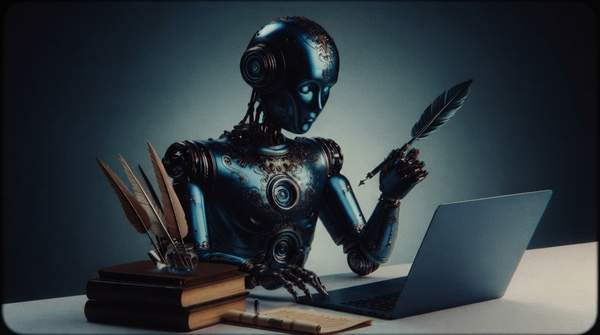
Further, research gauges AI's effectiveness in expressing emotions. A survey measured the alignment between generative AI's emotional expressions and human perceptions, according to arXiv. Three generative image models—DALL-E 2, DALL-E 3, and Stable Diffusion v1—produced 240 images based on prompts for ten distinct emotions. AI's active role in generating and expressing emotions in tangible artistic output is confirmed by these deployments. The implication is a future where AI could become a silent co-author, shaping the emotional landscapes of our digital narratives, for better or worse.
The Peril of Homogenization and Lost Nuance
Yet, the perception of universal AI emotional intelligence is a mirage. Performance varies wildly across models. Google Bard, for instance, secured scores of only 10 and 12 on the Reading the Mind in the Eyes Test, aligning with random response patterns, according to PMC. This stark contrast with ChatGPT-4's impressive showing exposes a critical inconsistency in AI's emotional capabilities.
Critics voice a tangible apprehension: heavy reliance on AI in game development could dilute human artistic vision and homogenize design, according to Glass Almanac. AI-generated content may fail to capture the nuanced storytelling and emotional depth human creators provide. This variability across models, coupled with the risk of artistic dilution, suggests a future where efficiency might triumph over genuine emotional resonance, particularly if less advanced AI becomes the default.
Navigating the Future of Emotional AI
Despite the variability in emotional expression, both ChatGPT and Bard surpassed general population benchmarks in textual analysis, according to PMC. A strong foundation in processing written emotional cues is confirmed by this. Yet, translating this textual comprehension into consistently resonant creative output remains a significant challenge. A study with 24 participants rated the alignment of AI-generated emotional expressions with text prompts, with further research analyzing AI performance variations to pinpoint improvement areas, according to arXiv.
AI's textual understanding is robust, but the critical hurdle lies in consistently translating it into emotionally resonant, human-aligned creative output. This demands continuous human oversight and iterative AI development. The technology must serve as an enhancement, not a replacement, for the nuanced, unpredictable depth that defines human storytelling. The future of emotional AI in creative fields hinges on this delicate balance, a tightrope walk between algorithmic efficiency and authentic human connection.
If human creators maintain their critical oversight, AI may yet become a powerful tool for emotional storytelling, rather than a homogenizing force.