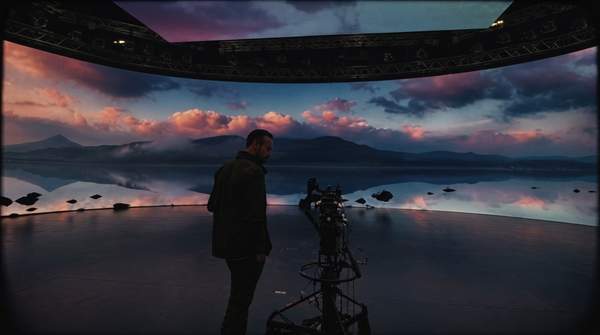
At its Brandcast 2026 event, YouTube announced new AI tools that allow marketers to move from a creative brief to a final 30-minute video production with just a few prompts, leveraging models like Gemini and Nano Banana, according to the YouTube Official Blog. Invideo offers similar capabilities, generating 30-minute videos from a single prompt, as detailed on its pricing page. These advancements mark a new era for efficient, scalable video content.
However, while AI tools make video creation faster and more accessible than ever, the most impactful marketing still relies on human-led creator content and authentic engagement. This creates a tension: the speed of automated production against the depth of genuine human connection.
Companies that strategically combine AI-powered production efficiency with genuine creator partnerships will likely dominate future digital marketing landscapes. Those relying solely on either extreme will struggle to compete for consumer attention and purchase intent in 2026.
The New Baseline: AI Video Capabilities for Marketing
AI video creation platforms now set a high bar for quality and scale. Invideo, for example, offers over 200 image, video, audio, and music models, including advanced options like veo 3.1, Sora 2 pro, and Nano banana pro, as per its pricing page. This extensive library makes professional-grade video content accessible to more marketers, shifting the focus from manual production to strategic AI orchestration for scalable, targeted content.
AI's Role in Driving Creator-Led Marketing Impact
Despite AI's advanced production, human creators still drive significantly higher marketing impact. YouTube data shows viewers are 13 times more likely to search for a brand and 5 times more likely to buy when creators discuss products, according to the YouTube Official Blog. Production efficiency does not equate to authentic influence.
AI does enhance creator partnerships. YouTube's Custom Sponsorships use AI to dynamically surface videos tailored to a brand's desired moment. Coach’s 'Explore Your Story' campaign, for instance, saw a 60 percent jump in Gen Z brand awareness and a six-fold increase in consideration within a single quarter, as reported by the YouTube Official Blog.