How to Choose Between Traditional and Independent Publishing in 2025

In 2025, the median self-published author earned $13,500, more than double the income of their traditionally published counterparts.

AF
Amelia Frost

May 16, 2026 · 4 min read

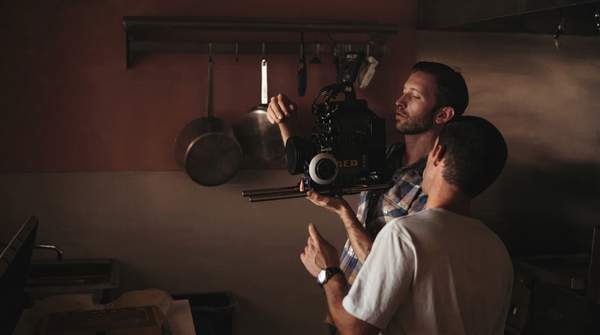
A visual representation of the choice between traditional publishing's classic feel and independent publishing's modern, dynamic approach.

In 2025, the median self-published author earned $13,500, more than double the income of their traditionally published counterparts. This financial disparity marks a significant shift in the literary world. While many aspiring authors still view traditional publishing as the primary path to success, data reveals self-published authors earn significantly more and report higher satisfaction. Authors are increasingly choosing self-publishing for its financial and creative control, signaling a continued shift towards independent models.

Traditional vs. Independent: The Core Dilemma

Authors face a fundamental choice: upfront investment versus long-term royalties and control. Traditional publishing costs authors $0 upfront, as the publisher covers production. However, this yields lower royalties, typically 10% to 25% on book sales, according to WriterCosmos. Self-publishing, conversely, offers significantly higher royalty rates, up to 70% on ebooks, but demands an initial financial outlay. This professional self-publishing investment, detailed by Reedsy, can range from $2,940 to $5,660, covering essential services like editing and cover design. The decision hinges on weighing this immediate financial barrier against the potential for greater long-term earnings and creative freedom.

The Financial Reality: Income and Satisfaction

The financial gap between self-published and traditionally published authors is widening. In 2025, the median self-published author income reached $13,500, growing 6% year-on-year, according to Alliance of Independent Authors. This contrasts sharply with traditionally published authors, who earned $6,000 to $8,000, with their income trending downwards. This shift in earning potential aligns with author satisfaction: 93% of indie authors report positive experiences. This overwhelming sentiment confirms that creative control and higher earnings outweigh initial costs, making self-publishing a path to both greater financial returns and fulfillment. Authors who cling to traditional models are choosing declining financial returns and potentially lower creative fulfillment.
Understanding the Upfront Investment in Self-Publishing

Achieving a professional self-published book demands investment in critical services. The average cost for a professional-quality release in 2026 ranges from $2,940 to $5,660, according to WriterCosmos. A significant portion covers editing, crucial for market competitiveness. For an 80,000-word book, professional editing costs typically range from $2,160 to $5,050, Reedsy reports, encompassing developmental editing ($2,880) and copy editing ($2,160). While DIY options exist under $500 and premium services can exceed $10,000 to $15,000, these figures represent the investment for a truly competitive product. This investment is not a barrier, but a strategic business decision that pays dividends, reshaping the definition of a successful author.

Author Control and Emerging Distribution Models

Self-publishing empowers authors with greater control over their work, distribution, and revenue. A substantial 30% of authors currently sell direct to readers, with an additional 30% planning this model in 2026, according to the Alliance of Independent Authors. The rapid adoption of direct sales signifies authors becoming independent entrepreneurs, controlling their entire process. Authors also have investment flexibility: while professional quality self-publishing has a specific cost range, DIY options exist under $500, and premium services can exceed $10,000 to $15,000, as noted by WriterCosmos. This spectrum allows authors to tailor their approach. The 60% adoption of direct sales marks a seismic shift, with authors bypassing traditional gatekeepers entirely.

Making Your Publishing Decision

Authors must weigh the upfront investment of self-publishing against its potential for higher long-term earnings, creative autonomy, and direct reader engagement. The choice between traditional and independent paths hinges on individual priorities. If financial independence and creative control are paramount, self-publishing presents a compelling option, despite initial costs. Conversely, authors prioritizing external validation, hands-off production, and broad bookstore distribution might still find traditional publishing appealing, even with lower royalties and less control. However, data consistently points to greater author satisfaction and income in the independent sphere. Understanding these trade-offs is crucial for an informed decision about your literary future.

Frequently Asked Questions About Publishing

What are the pros and cons of traditional publishing?

Traditional publishing offers the advantage of editorial and marketing support from a publishing house, potentially leading to wider distribution in physical bookstores and media attention. However, authors typically receive lower royalties, ranging from 10% to 25%, and relinquish significant creative control over their work, including cover design and editorial changes. The submission process is also lengthy and highly competitive, often requiring a literary agent.

What are the pros and cons of self-publishing?

Self-publishing provides authors with complete creative control and higher royalty rates, often up to 70% on ebooks, according to Independent Book Publishing | Scholarly Communications. It also allows for quicker publication timelines and direct engagement with readers. The primary drawbacks include the need for authors to manage all aspects of publishing themselves, including editing, cover design, marketing, and distribution, which requires a significant upfront financial investment and time commitment.

What is the future of publishing for authors?

The future of publishing for authors appears to favor independent models, driven by technological advancements and authors' desire for greater control and higher earnings. The increasing viability of direct sales and the rise of author-as-entrepreneur models suggest a continued decentralization of publishing power. As of 2026, industry trends indicate that authors who strategically invest in their self-published works and cultivate direct reader relationships are best positioned for long-term success.

If current trends persist, the independent author, empowered by direct sales and strategic investment, appears poised to redefine literary success in the coming years.