The quest for how to effectively research historical periods for fiction writing often begins with a paradox. Many university history programs, while exhaustive in teaching how to analyze sources and construct arguments, dedicate surprisingly little time to the art of transforming that research into a compelling written work. According to one analysis from Doing History in Public, history degrees frequently emphasize the mechanics of research over the narrative craft of writing. For the historical novelist or non-fiction author, this gap presents a formidable challenge: how does one move from the archive to the arc, from the fact to the feeling? The answer lies not in becoming a professional academic, but in mastering a specific, story-focused methodology that marries the rigor of the historian with the soul of the storyteller.
What Is Historical Research for Writers?
Historical research for writers is the systematic process of gathering, evaluating, and integrating factual information about a specific time, place, and culture to create an authentic and immersive narrative world. Unlike purely academic history, which often aims to present and defend a scholarly argument, the writer's research serves the story. It is the invisible architecture that supports the plot, the texture that gives characters depth, and the sensory detail that transports the reader across time. The goal is not merely to report the past, but to resurrect it on the page, allowing characters to live and breathe within its constraints and possibilities.
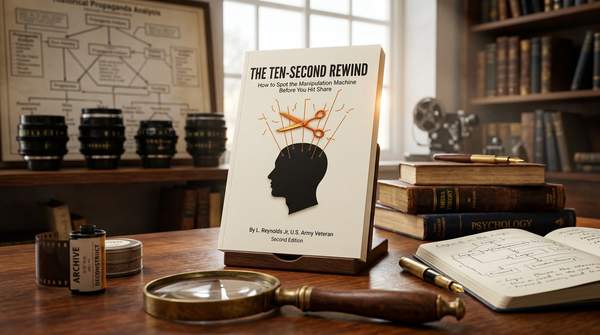
This process relies on two fundamental types of evidence. As outlined in a guide by the University of Limerick's Special Collections, most historians work with primary sources, which are original materials from or close to the period being studied. These include letters, diaries, newspaper articles, census data, photographs, and official documents. They offer a direct, unfiltered glimpse into the past. Conversely, secondary sources—such as scholarly books, academic articles, and documentaries—are works that interpret and analyze primary sources. For the writer, secondary sources provide essential context and a map of the historical landscape, while primary sources offer the specific, humanizing details that make a story come alive.
How to Effectively Research Historical Periods: Step by Step
Historical research, from a nascent idea to a richly detailed manuscript, requires a structured, methodical approach. This journey of inquiry and discovery follows a clear, sequential path, serving as the writer’s most reliable compass.
- Step 1: Formulate Your Core QuestionAll effective research begins not with a period, but with a question. Historical research, as noted by experts at Special Collections at the University of Limerick, typically commences with identifying a research topic or a hypothesis to be tested against evidence. For a writer, this question is narrative-driven. Instead of asking, "What were the economic causes of the French Revolution?" the novelist might ask, "What was it like to be a baker in Paris in 1788, watching the price of flour skyrocket while aristocrats feasted?" This reframing personalizes the inquiry, focusing your search on the sensory details, daily routines, and emotional stakes relevant to your characters.
- Step 2: Build a Foundation with Secondary SourcesBefore diving into the raw material of the past, it is wise to consult the experts who have already charted the territory. Secondary sources—books and articles by historians—provide the broad context necessary to understand your chosen era. They explain the political structures, social hierarchies, and cultural norms that your characters would have taken for granted. This stage, which academics call a literature review, helps you understand the established historical consensus and identifies the debates or gaps where your story might compellingly reside. These sources are also invaluable for their bibliographies, which often serve as a curated guide to the most important primary documents.
- Step 3: Uncover and Engage with Primary SourcesThis is where the past begins to speak in its own voice. Primary sources are the heart of authentic historical storytelling. They are the artifacts of life as it was lived: a soldier’s letter home describing the mud and the fear, a merchant’s ledger detailing the cost of sugar, a court transcript recording a witness’s testimony, or a photograph capturing a fleeting expression. Engaging with these materials allows you to absorb the vocabulary, syntax, and rhythm of the period’s language. You discover the textures of daily existence—the foods people ate, the songs they sang, the anxieties that kept them awake at night. Digital archives from institutions like the Library of Congress, the National Archives, and university libraries have made accessing these treasures more possible than ever before.
- Step 4: Critically Evaluate Every SourceNo source is neutral. A critical evaluation of your materials is essential for maintaining accuracy and achieving nuanced storytelling. The University of Limerick's guide suggests a framework of key questions: Who created this source, and why? When was it created? What was the creator’s perspective or potential bias? A diary entry from a wealthy landowner will offer a vastly different view of a peasant revolt than a pamphlet distributed by the rebels. Recognizing this bias is not a barrier; it is a narrative opportunity. Juxtaposing these conflicting perspectives within your story can create a more complex and resonant exploration of the historical moment.
- Step 5: Develop a Meticulous Organizational SystemThe sheer volume of research can quickly become overwhelming. A robust system for organizing your findings is not a luxury but a necessity. Historically, methods have varied wildly. Eminent historian Keith Thomas famously employed an idiosyncratic system of cutting his handwritten notes into individual facts and sorting them into themed envelopes. Today, writers have a wealth of digital tools at their disposal. Many historians, as reported by Doing History in Public, use word processors for their keyword-searchable benefits. Others directly annotate PDFs of manuscripts or use color-coded spreadsheets to track character details, timelines, and factual information. The specific tool matters less than the consistency of its use. Your system should allow you to easily retrieve a specific detail, trace a fact back to its source, and see connections between disparate pieces of information.
- Step 6: Weave Research and Writing into a Single ProcessFor many creators, the processes of research and writing are not sequential but deeply intertwined. One author, writing for Doing History in Public, describes them as inseparable, with writing constantly guiding further research and new discoveries reshaping the narrative. You may begin writing a scene only to realize you do not know what kind of shoes your character would wear or what music they might hear from an open window. This prompts a micro-burst of targeted research. Conversely, an unexpected detail found in a primary source—a forgotten slang term, a peculiar local custom—can inspire a new scene, a character trait, or even a major plot twist. This dynamic interplay ensures the research serves the story organically, rather than feeling like information inserted after the fact.
Common Mistakes in Historical Research for Fiction
The historical writer's path involves potential missteps that can undermine a story’s credibility. Research is foundational, but its application is an art form; avoiding common pitfalls is crucial for creating an authentic and alive narrative.
- The "Info-Dump": Perhaps the most common error is the desire to display every hard-won piece of research. This results in paragraphs where the narrative grinds to a halt for a lecture on 18th-century fashion or Renaissance banking. The best historical fiction wears its research lightly. Information should be woven into the story through character action, dialogue, and sensory detail, revealed naturally as it becomes relevant to the plot.
- Anachronisms of Thought and Language: While avoiding putting a smartphone in a Victorian novel is obvious, the more subtle anachronisms are often related to worldview. Characters should not possess modern sensibilities about democracy, gender equality, or psychology unless the story specifically justifies it. Their motivations, fears, and blind spots must be products of their time. Similarly, dialogue should evoke the period's cadence without becoming an unreadable pastiche of archaic language.
- Accepting Sources at Face Value: Every primary source has an agenda, a perspective, and a set of limitations. A military general’s memoir will inevitably present his actions in the best possible light. A piece of political propaganda is designed to persuade, not to report objectively. Failing to critically assess a source’s bias can lead to a one-dimensional and historically simplistic portrayal of events.
- Getting Lost in the Research Rabbit Hole: The allure of the archive is powerful, and it is easy for writers to fall into a cycle of endless research, believing they need to know everything before they can write a single word. This can lead to paralysis. It is vital to recognize when you have gathered enough information to begin writing, trusting that the intertwined process of storytelling will reveal where the gaps are for more targeted research later on.
Balancing Historical Accuracy with Creative Storytelling
The historical novelist walks a fine line between the roles of historian and artist. The genre itself, as writer Claudia Merrill notes, is a challenging one, requiring a level of detail often associated with academic circles. Yet, the ultimate allegiance is to the story. This creates a central tension: how does one remain faithful to the past while crafting a compelling, emotionally resonant narrative?
The key lies in understanding the difference between factual truth and emotional truth. Factual truth dictates that a character in 1066 should not be drinking coffee. Emotional truth, however, is about creating a world so coherent and internally consistent that the reader believes in the characters’ struggles, triumphs, and heartbreaks. The most successful historical fiction often finds its creative energy in the gaps of the historical record. Where letters were burned, conversations went unrecorded, and motivations were left ambiguous, the novelist has the freedom to invent, to imagine, and to dramatize.
When dealing with real historical figures, this balance becomes an ethical consideration. The writer has a responsibility to the historical personage, grounding their portrayal in known facts about their character and actions. Yet, to make them a compelling protagonist or antagonist, one must imagine their inner life—a project that is, by definition, fictional. The goal is to create a portrayal that is not necessarily definitive but is plausible, one that illuminates the known facts of their life in a new and insightful way.
Frequently Asked Questions
How much research is enough for a historical novel?
The ideal research depth depends on the story's scope. The goal is to research until confident and comfortable moving within your historical world, knowing enough to write authoritatively about characters' daily lives without data paralysis. Often, an initial broad research phase is best, followed by writing and smaller, targeted research sprints as questions arise during drafting.
Where can I find primary sources for historical novels?
Many digitized archives are accessible online. National libraries (Library of Congress, British Library), national archives, university special collections, and digital newspaper archives offer excellent starting points. For out-of-copyright books, Project Gutenberg is useful; local historical societies and museums prove invaluable for regionally focused stories.
What is the difference between primary and secondary sources?
A primary source is a firsthand account or original artifact from the period, exemplified by diaries, letters, government documents, autobiographies, photographs, and oral histories. A secondary source, conversely, analyzes, interprets, or discusses information found in primary sources, with examples including academic books, scholarly articles, biographies written after the subject's lifetime, and documentaries.
What is historiography?
Historiography is the study of historical writing itself, examining how history has been written and interpreted over time, as defined in a course overview from the Gilder Lehrman Institute of American History and Gettysburg College. For a writer, understanding historiography is useful, revealing how perceptions of a historical event or figure have changed and offering different angles to approach a story.
The Bottom Line
Effectively researching a historical period demands deep immersion, combining scholarly discipline with creative curiosity. The process is a dynamic dance between inquiry, discovery, and narrative construction, not a linear march through archives. By beginning with a focused question, layering secondary and primary sources, and allowing the story's needs to guide your investigation, you can build a world that is accurate, resonant, and unforgettable.