Behind the Scenes

How Stunt Coordinators Plan and Execute Complex Action Sequences: A Complete Guide

Stunt coordinators are the unsung heroes of action filmmaking, meticulously planning every punch, fall, and explosion. They blend high-octane action with rigorous safety protocols to create thrilling on-screen moments.

VR
Victor Ren

April 6, 2026 · 10 min read

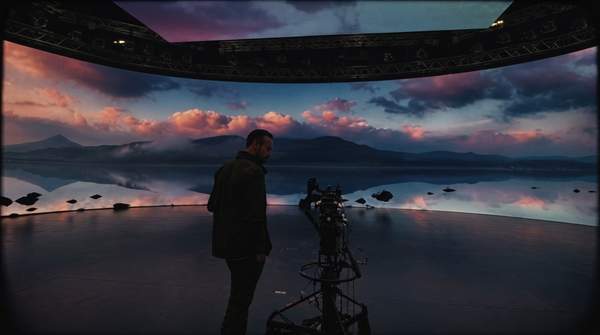
A stunt coordinator, wearing a headset, intently observes a high-octane action sequence being prepared on a bustling film set, with crew members and safety gear visible in the background.

When Donnie Yen, in his mid-50s, executed lightning-fast attacks in Rogue One: A Star Wars Story, stunt players supplemented his performance to achieve necessary speed and ensure safety. This demonstrates the stunt coordinator's role: meticulously planning every punch, fall, and explosion to seamlessly blend high-octane action with rigorous safety protocols, creating thrilling moments while protecting everyone on set.

What Is a Stunt Coordinator?

A stunt coordinator designs, choreographs, and oversees the safe execution of all action sequences, bridging a director's creative vision with practical, physical requirements. Their threefold responsibilities include designing narrative-fitting stunts, managing the stunt team, and enforcing safety protocols for every action scene. This role demands deep physical performance understanding alongside extensive logistical and managerial skills.

To be effective, a stunt coordinator must possess a unique combination of skills grounded in years of experience. According to the industry resource StuntTeam.org, this includes physical expertise in areas like martial arts or gymnastics, creative problem-solving to invent new action beats, and strong leadership to manage a team under high-pressure conditions. They must have extensive personal experience performing stunts to intimately understand the inherent dangers and how to mitigate them. This firsthand knowledge allows them to make informed decisions about what is physically possible and what safety measures are non-negotiable for cast and crew.

How Stunt Coordinators Plan and Choreograph Action Scenes: Step by Step

Creating a complex action sequence involves a highly structured workflow, beginning long before cameras roll. A stunt coordinator meticulously guides the sequence from script to screen through distinct phases, ensuring creative alignment and uncompromising safety at every stage.

  1. Step 1: Script Breakdown and Pre-Production Planning

    The first and most critical phase begins during pre-production. The stunt coordinator receives the script and performs a detailed breakdown, identifying every scene that involves any form of physical action. This can range from a simple trip and fall to a large-scale car chase or a multi-person fight scene. For each identified stunt, the coordinator analyzes the specific requirements, potential risks, and resource needs. According to the production software resource Filmustage, this early analysis is crucial for budgeting and scheduling. The coordinator must determine the number of stunt performers needed, what specialized equipment is required (e.g., harnesses, crash pads, specialized vehicles), and how much rehearsal time will be necessary. This information is then communicated to the production manager and assistant director to be integrated into the overall production plan.

  2. Step 2: Conceptual Design and Collaboration with the Director

    Once the script is broken down, the stunt coordinator collaborates closely with the director and sometimes the cinematographer to design the look and feel of the action sequences. The director provides the creative vision—the emotional tone, the narrative purpose of the action, and the desired visual style. The stunt coordinator then translates these abstract ideas into concrete, performable actions. This is a highly creative process involving storyboarding, pre-visualization (pre-vis) animations, and extensive discussion. The coordinator proposes specific choreography, gags, and methodologies that will achieve the director's vision while remaining within the bounds of safety and the production's budget. This collaborative dialogue ensures that the stunts serve the story, rather than existing merely for spectacle.

  3. Step 3: Assembling and Casting the Stunt Team

    With a clear plan in place, the stunt coordinator casts the stunt team. This involves selecting stunt doubles for the principal actors and hiring additional stunt performers for other roles (e.g., henchmen, drivers, background falls). Selecting the right stunt double is paramount; they must not only have a similar physical build and appearance to the actor but also possess the specific skills required for the role. For example, a sequence involving parkour requires a performer with a background in free-running, while a sword fight necessitates performers with extensive weapons training. The coordinator leverages their professional network and knowledge of the stunt community to assemble a team whose collective skills match the demands of the script.

  4. Step 4: Choreography, Rehearsal, and Training

    Rehearsal is where the action is physically built and refined. The stunt coordinator and their team work in a controlled environment, often a gym or a dedicated stunt facility, to choreograph and practice the sequences. Every move is broken down, taught, and rehearsed until it becomes second nature to the performers. This phase is also when actors are brought in to learn their parts of the action. The coordinator trains the actors in the specific movements they can safely perform, ensuring their performance integrates seamlessly with that of their stunt double. As noted by the nonprofit arts organization Film Independent, integrating choreography into the rehearsal, shooting, and editing phases is essential for creating an effective action sequence. This repetition builds muscle memory and confidence, which is vital for both performance quality and on-set safety.

  5. Step 5: Risk Assessment and Safety Implementation

    Safety is the stunt coordinator's primary responsibility. Throughout the planning and rehearsal process, they conduct continuous risk assessments for every element of the action. This involves identifying all potential hazards—from the hardness of a floor to the timing of a pyrotechnic effect—and developing specific protocols to mitigate them. On set, this translates into tangible safety measures: laying down crash mats just out of frame, rigging safety wires and harnesses, providing fire-retardant gel and clothing for fire stunts, and checking all equipment before every take. The coordinator leads a safety briefing with all cast and crew involved in the stunt before filming begins, ensuring everyone understands their role, the sequence of events, and the established safety procedures.

  6. Step 6: On-Set Supervision and Execution

    During filming, the stunt coordinator is on set to supervise the execution of every action sequence. They have the authority to halt the action if they observe any unsafe conditions. They work closely with the first assistant director to manage the set and communicate with the stunt performers, actors, and camera operators to ensure everything is synchronized. The coordinator watches each take on the monitor to confirm the stunt was executed correctly and captured effectively by the camera. If an adjustment is needed—either for performance or safety—they will confer with the director and reset the sequence. Their presence ensures that the carefully planned safety protocols are followed to the letter under the pressure of a live film set.

Common Pitfalls in Stunt Coordination and How to Avoid Them

Even with rigorous processes, productions face pitfalls that compromise stunt safety and quality. Avoiding these common mistakes is fundamental to successful action filmmaking and highlights the discipline required for the stunt coordinator's role.

  • Insufficient Pre-Production and Planning: One of the most significant errors is rushing the pre-production phase. When a stunt coordinator is not given adequate time to break down the script, budget properly, and schedule sufficient rehearsals, the risk of on-set accidents increases dramatically. The solution is to involve the coordinator as early as possible in the production process, treating their department with the same foresight as cinematography or production design.
  • Poor Communication Between Departments: Action sequences involve the seamless integration of multiple departments: stunts, special effects, camera, and sound. A breakdown in communication can be dangerous. For example, if the special effects team triggers an explosion before a stunt performer is clear, the consequences can be severe. Effective stunt coordinators establish clear, unambiguous communication channels and protocols, such as verbal cues and hand signals, that are understood by everyone on set.
  • Allowing Untrained Actors to Perform Unsafe Stunts: While some actors are famous for performing their own stunts, this should only happen under strict supervision and after a thorough assessment of their capabilities. Film Independent specifically cautions independent filmmakers about actors who claim extensive experience without professional vetting. A common pitfall is allowing an actor’s enthusiasm to override a professional safety assessment. The coordinator must make the final, objective call on whether an actor or a stunt double should perform a specific action.
  • Failing to Adapt to On-Set Conditions: No amount of planning can account for every variable on a film set. Weather can change, a piece of equipment might malfunction, or a location might present unforeseen challenges. A pitfall is rigidly sticking to a plan that is no longer safe or practical. A skilled coordinator must be an adept problem-solver, able to modify a stunt on the fly to adapt to new conditions without compromising the safety of the cast and crew.

Advanced Techniques and Key Considerations for Stunt Coordinators

Modern stunt work blends sophisticated practical effects with digital enhancement, requiring a professional stunt coordinator to master these methods for safe, spectacular action. These tools expand creative possibilities, offering greater control and safety than older techniques.

The "Texas Switch" is a classic in-camera technique for seamlessly swapping an actor with a stunt performer within a single, continuous shot, as detailed by Filmustage. In a driving scene, for instance, an actor behind the wheel might be replaced by a stunt driver during a momentary camera pan or obstruction (like a pillar or vehicle). This allows the stunt driver to perform a dangerous maneuver. Success relies on precise choreography among performers, camera movement, and on-set obstructions.

Coordinators use wirework for gravity-defying actions: flying, being thrown, or surviving falls. Performers attach to high-tensile wires via custom harnesses, digitally removed in post-production. A "ratchet pull," a specific wirework technique, uses a pneumatic or mechanical rig to yank a wire at high speed, launching a performer backward to simulate an explosion or powerful blow. These systems demand highly trained riggers and operators to ensure safety and create realistic force and motion.

Filming actors inside a vehicle during high-speed chases prioritizes safety and performance. Since actors cannot safely deliver lines while precision driving, coordinators use a "Biscuit Rig." This specialized process trailer is a low-profile platform with a complete driver's cockpit, mounting the "hero car" (on-screen vehicle). A professional stunt driver operates the Biscuit Rig from a pod, controlling the entire vehicle's motion. This allows the actor in the hero car to focus solely on performance in a safe, controlled environment.

A coordinator's experience is paramount. Jo McLaren (Heart of Stone) and Guy Norris (reportedly shooting Ramayana after Mad Max) bring decades of on-the-job knowledge. Coordinators must have years as stunt performers to understand the trade's physics, timing, and risks. This embodied knowledge enables creative innovation and unwavering commitment to set safety.

Frequently Asked Questions

What are the main responsibilities of a stunt coordinator?

The main responsibilities of a stunt coordinator fall into three primary categories. First is the design and choreography of all action sequences in collaboration with the director. Second is the hiring and management of the stunt team, including stunt doubles and performers. Third, and most importantly, is ensuring the safety of all cast and crew during the planning, rehearsal, and execution of stunts by conducting risk assessments and implementing rigorous safety protocols.

How does a stunt coordinator ensure actor safety?

A stunt coordinator ensures actor safety through a multi-layered process. This begins with a careful assessment of an actor's physical capabilities to determine which actions they can perform safely. For more dangerous or specialized maneuvers, they use a professional stunt double. During all action scenes, they implement safety measures such as using hidden padding, rigging safety wires, providing fire-retardant gear, and conducting thorough rehearsals. They have the ultimate authority on set to stop any action they deem unsafe.

How are modern technologies used in stunt coordination?

Modern stunt coordination incorporates sophisticated technologies to enhance both spectacle and safety. Wirework systems, often controlled by computers for precise and repeatable movements, allow performers to fly or be thrown through the air. Pre-visualization software helps coordinators plan complex sequences in a digital environment before attempting them on set. Furthermore, digital effects are used to remove safety equipment like wires and harnesses from the final shot, allowing for more robust safety measures without compromising the visual result.

The Bottom Line

A stunt coordinator is an essential creative partner and primary safety guardian for any action-heavy production. Through meticulous planning, deep technical expertise, and unwavering leadership, they transform a director's ambitious vision into tangible, repeatable, and safe performances. Understanding this intricate process, from script breakdown to on-set execution, reveals the invisible art enabling thrilling on-screen moments.