Advertising

Top 7 Digital Marketing Strategies for Independent Filmmakers

Independent filmmakers face increasing responsibility for marketing their films. This guide outlines the top 7 digital marketing strategies, ranked by effectiveness and budget-friendliness, to help creators connect with audiences and build sustainable careers.

LH
Leo Hartmann

April 8, 2026 · 8 min read

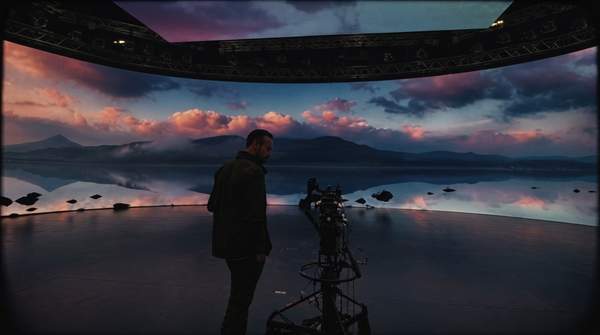
An independent filmmaker uses digital tools to market their film, surrounded by camera gear and a subtle background of engaged online audiences, symbolizing modern film promotion.

If you are an independent filmmaker, this ranked guide outlines the best digital marketing strategies and tools to promote your film in a competitive market. The traditional infrastructure for film marketing and distribution is eroding, increasingly placing these responsibilities on creators themselves, as reported by Indiewire.com. This analysis is for filmmakers navigating this new terrain, seeking effective, budget-conscious methods to connect with audiences. The following strategies are ranked based on their potential for long-term audience building, cost-effectiveness, direct control, and overall impact on a film's visibility and commercial potential.

Our methodology for this ranking involved evaluating each strategy on its accessibility for small teams, potential for high return on investment (ROI) on a limited budget, scalability, and its proven relevance in the current digital ecosystem.

1. Building an Owned Audience via Email Marketing — Best for Direct Control and Career Sustainability

The most valuable asset for an independent filmmaker is a direct, unfiltered line to their audience. While social media offers broad reach, email marketing provides an "owned" channel, immune to the whims of algorithmic changes. This strategy is best for filmmakers focused on building a sustainable career, not just promoting a single project. By collecting email addresses through a film’s website, at screenings, or via social media, creators can deliver targeted updates about festival selections, release dates, behind-the-scenes content, and future projects directly to their most engaged supporters. This method fosters a loyal community that can be mobilized for crowdfunding campaigns, VOD launches, and generating crucial initial reviews.

This strategy ranks highest because it prioritizes long-term value over short-term vanity metrics. An email list is a compounding asset. The primary drawback is that building a substantial and engaged list is a slow, methodical process that requires consistent effort and providing genuine value beyond simple promotion. However, the payoff is unparalleled control and a direct-to-fan communication channel that can support a filmmaker's entire career arc. Platforms like Mailchimp or Substack offer free or low-cost entry points, making this an accessible strategy for any budget.

2. Cultivating Niche Communities ('Dark Social') — Best for Hyper-Targeted Engagement

For films with a strong genre identity—be it horror, sci-fi, or romantic comedy—the most fervent fans often gather in dedicated online spaces. Indiewire.com has highlighted the importance of "Dark Social," or marketing within private channels like Discord servers, private subreddits, and niche Facebook Groups. This strategy involves genuine participation and contribution to these communities, rather than overt advertising. It's best for filmmakers who are authentic fans of their genre and can engage in meaningful conversations. By sharing exclusive clips, asking for feedback, or participating in discussions, a filmmaker can build powerful word-of-mouth advocacy from a core group of influencers.

This approach ranks above broader social media strategies due to its depth of engagement and efficiency. Instead of shouting into the void, filmmakers can connect directly with a pre-qualified audience. Director Jonah Feingold's effort to raise $3 million for Romantical, a company dedicated to the romantic comedy genre, demonstrates the power of building an ecosystem around a specific niche. The limitation is that this strategy is extremely time-intensive and requires a delicate touch; clumsy, self-promotional behavior can lead to being ostracized from the community. Success depends on authenticity and adding value before asking for anything in return.

3. A Centralized Digital Hub (Website & EPK) — Best for Professional Legitimacy

In the digital age, a professional website is a film's official home base. It serves as a central repository for the trailer, synopsis, cast and crew bios, press mentions, and screening information. This strategy is essential for all filmmakers seeking to establish credibility with distributors, press, festival programmers, and potential audiences. An effective film website should also include a clear call-to-action, such as signing up for the email list or following on social media. It serves as the destination for all other marketing efforts, from a link in a social bio to the URL on a festival postcard.

A dedicated website ranks highly because it provides a level of professionalism and control that a social media profile alone cannot. It ensures that a Google search for the film leads to an official, curated source of information. The primary drawback is the initial investment of time and a small amount of money for hosting and a domain name. However, platforms like Squarespace and Wix have made it simple to create visually compelling sites without coding knowledge. A well-designed digital hub is a foundational tool that makes every other marketing effort more effective.

4. Strategic Social Media Content Marketing — Best for Broad Audience Awareness

A social media presence is non-negotiable, but a strategic approach is what separates effective campaigns from wasted effort. This strategy is best for filmmakers aiming to build broad awareness and engage audiences at the top of the marketing funnel. The key is to move beyond simply posting a trailer and a release date. A successful content strategy involves sharing a variety of assets: behind-the-scenes photos, crew interviews, short video clips exploring a theme from the film, and user-generated content from fans. According to an Indiewire.com report, platforms like YouTube provide powerful analytics, showing "who watched it, how long, where they watched it from, how old they were, when did they click out," which can be used to refine marketing messages.

This strategy is a powerful tool for discovery, but it ranks below more controlled methods like email because social media platforms are "rented land." A change in an algorithm can decimate a film's reach overnight. The main limitation is the constant need for fresh content and the challenge of cutting through the noise. However, for building initial buzz and driving traffic to a film's website or screening, a well-executed social media campaign is indispensable.

5. Search Engine Optimization (SEO) for Discoverability — Best for Long-Term Visibility

Once a film is available on a Video on Demand (VOD) platform, its life is far from over. Search Engine Optimization is the practice of optimizing a film's website and VOD listings to appear in search results when potential viewers look for related terms. This strategy is best for filmmakers focused on the long-tail revenue and discovery of their film, long after the initial launch buzz has faded. This involves researching relevant keywords (e.g., "psychological thriller films," "indie sci-fi like [popular film]"), including them in the film's synopsis and metadata, and encouraging reviews on platforms like IMDb and Rotten Tomatoes.

SEO is ranked as a mid-tier strategy because its results are not immediate. It is a long-term play that requires patience and a degree of technical understanding. Unlike paid ads, its effects compound over time, providing a steady stream of organic traffic without continuous spending. The primary drawback is the time it takes to see results and the learning curve involved. However, for ensuring a film can be found by new audiences for years to come, a basic understanding and application of SEO are critical.

6. Targeted Digital Advertising — Best for Reaching Specific Demographics

For filmmakers with a dedicated, albeit small, marketing budget, targeted digital advertising on platforms like Meta (Facebook/Instagram) and Google/YouTube can be highly effective. This strategy is best for films with a clearly defined target audience whose demographics and interests can be easily selected in an ad platform's targeting tools. For example, a documentary about rock climbing can be advertised directly to users who follow climbing-related pages and live near key metropolitan areas. The success of this strategy hinges on compelling ad creative (a short, punchy trailer clip) and a clear call-to-action (e.g., "Watch Now on VOD").

While powerful, this strategy ranks lower due to its primary requirement: a budget. It is the most direct way to pay for reach, but it can quickly become expensive with a low return on investment if not managed carefully. The main limitation is cost and the complexity of setting up and optimizing campaigns. For filmmakers without a budget, the organic strategies ranked higher on this list are more practical starting points. However, even a small, well-targeted ad spend can provide the crucial initial push a film needs during its launch week.

7. Exploring Generative AI for Marketing Assets — Best for Micro-Budget Efficiency

The newest tool in the filmmaker's marketing arsenal is Generative AI. This forward-looking strategy is best for micro-budget productions needing to create a high volume of marketing assets quickly and cheaply. AI tools can be used to generate poster concepts, write social media copy, create animated video clips, or even draft press releases. According to a report on Vocal.media, the Generative AI in Movies Market is projected to grow significantly, indicating increasing adoption. This allows a solo filmmaker or a small team to punch above their weight, producing a professional-looking suite of materials without hiring a large marketing team.

This strategy is ranked last because it is the most nascent and its output can be inconsistent. The primary drawback is the risk of producing generic or low-quality assets that lack the unique voice of the film. There are also evolving ethical considerations regarding its use. However, as a tool for brainstorming and rapid prototyping of marketing ideas, AI offers unprecedented efficiency. It can lower the barrier to entry for creating a comprehensive and professional marketing campaign, a key factor in the success of one microbudget film costing $75,000 that, according to nofilmschool.com, secured distribution on HBO through "clever marketing."

StrategyCategory/TypeKey MetricBest For
Email MarketingOwned MediaList Size & Open RateCareer sustainability and direct fan relationships.
Niche CommunitiesEarned MediaEngagement & Word-of-MouthGenre films with dedicated online fanbases.
Digital Hub (Website)Owned MediaWebsite Traffic & EPK DownloadsEstablishing professional legitimacy with industry and press.
Social Media ContentShared MediaReach & Engagement RateBuilding broad awareness and top-of-funnel buzz.
SEO for DiscoverabilityOrganic SearchKeyword Rankings & Organic TrafficLong-term VOD visibility and revenue.
Digital AdvertisingPaid MediaCost Per Click & Conversion RateReaching specific demographics with a dedicated budget.
Generative AIAsset Creation ToolSpeed & Cost SavingsMicro-budget productions needing rapid asset creation.

How We Chose This List

This list of marketing strategies for independent filmmakers prioritizes cost-effectiveness, building sustainable and loyal audiences, and proven impact in the current digital landscape. In an environment where creator-led marketing is essential, we selected methods that offer filmmakers direct control over their audience relationships and long-term career assets, rather than those reliant on volatile platforms or significant financial investment. Strategies requiring substantial budgets or specialized agency support were given lower priority, ensuring the list remains practical and actionable for creators with limited resources.

The Bottom Line

For filmmakers seeking to build a lasting career, starting with an owned audience via Email Marketing is the most critical, high-value strategy. For those with a strong genre film ready to connect with its core fanbase, cultivating Niche Communities offers the most potent path to generating authentic, powerful word-of-mouth. Ultimately, the most successful campaigns will integrate several of these strategies into a cohesive plan that builds momentum from pre-production through the long-tail life of the film.