Virtual production is fundamentally redefining traditional filmmaking workflows by integrating digital technology directly into live-action principal photography. This innovative methodology combines LED display systems, real-time rendering engines like Unreal Engine, and motion capture to create immersive, interactive environments on set. Filmmakers can now achieve in-camera visual effects (ICVFX) and make real-time creative decisions, shifting significant creative and technical work to earlier stages of production and streamlining post-production processes. This approach transforms filmmaking from a linear sequence into a more fluid, interactive experience, offering enhanced creative possibilities and more efficient workflows across all stages, as noted by Disguise's insights.
The Core Technologies: LED Volumes, Real-Time Rendering, and Motion Capture
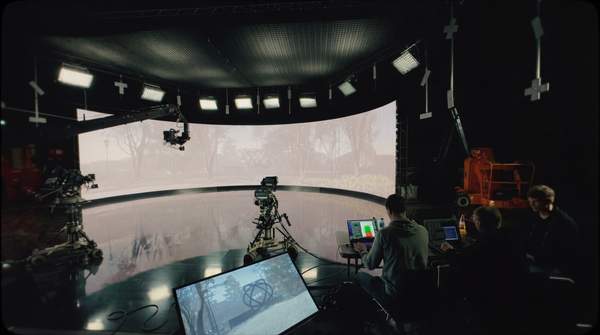
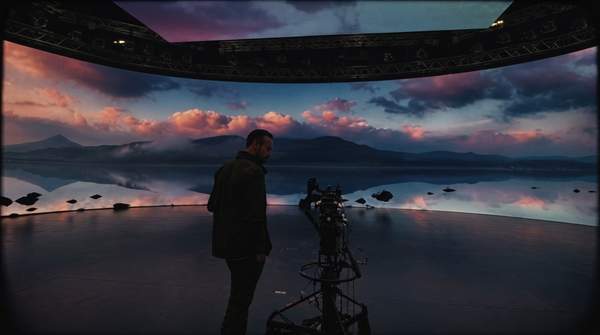
Virtual production relies on the seamless integration of several key technologies. Central to this is the LED volume, a large stage constructed from LED panels that display high-resolution virtual environments. Unlike traditional green screens, these virtual backdrops are visible and reactive on set, providing natural lighting, reflections, and context for actors and cameras during filming, according to TheGreenShot's explanation. This allows for immediate visual feedback and a more immersive experience for the cast and crew.
Real-time rendering engines, with Epic Games' Unreal Engine emerging as an industry standard, are crucial for generating and updating these virtual worlds instantly. Unreal Engine's nDisplay plugin, for instance, is specifically designed for multi-screen LED volume configurations, supporting camera tracking integration and stage-specific calibration Unreal Engine's nDisplay plugin. These engines process complex 3D graphics at speeds that allow for immediate interaction and modification, making the virtual environment dynamic and responsive to on-set changes.
Motion capture systems further enhance virtual production by tracking the movements of actors, props, or cameras. This data is then fed into the real-time rendering engine, allowing virtual characters or elements to interact seamlessly with the live-action performance and the digital environment. Together, these components create a unified on-set workflow, enabling the blending of physical and digital elements in real time, as described by Mimic Productions.
Technical Integration for In-Camera VFX and Real-Time Creative Decisions
The synergy between LED volumes, real-time rendering, and motion capture is what enables in-camera visual effects (ICVFX) and facilitates real-time creative decisions. As actors perform within the visible virtual world displayed on LED walls, they can react more naturally to their surroundings, leading to more authentic performances actors perform within a visible virtual world. The practical lighting emitted by the LED walls also ensures visual consistency between the physical foreground and the digital background.
Camera tracking systems precisely monitor the physical camera's position and orientation, feeding this data to the real-time engine. The engine then renders the virtual environment from the camera's exact perspective, displaying it on the LED volume. This ensures a seamless parallax effect, making the virtual world appear as a natural extension of the physical set. Directors and cinematographers can see the final composite shot through the camera's viewfinder in real time, allowing for immediate adjustments to lighting, set dressing, or camera angles.
This "what you see is what you get" approach means that the visual effects visible on the LED volume during filming are often the final pixels that appear in the finished product. By capturing final-pixel shots directly in-camera, the need for extensive compositing, chroma keying, or background replacement in post-production is drastically reduced capturing final-pixel shots directly in-camera. This immediate visual feedback empowers creative teams to make informed decisions on the spot, enhancing artistic control and efficiency.
Transforming Pre-Production: From Planning to Virtual Art Department
Virtual production significantly alters the pre-production phase, moving much of the creative and technical work to earlier stages. Traditionally, set design and construction involved extensive physical set building and location preparation, which could be costly, time-consuming, and logistically complex physical set building and location preparation. Physical sets are also difficult and expensive to modify once built, limiting creative flexibility.
In contrast, virtual production allows filmmakers to design and modify virtual environments in real time. The Virtual Art Department (VAD) plays a central role, creating and adapting digital assets that form the virtual sets. This digital approach reduces the need for extensive physical construction, offering greater flexibility and creativity in set design. Environments can be iterated upon quickly, and multiple locations can be simulated within a single virtual stage, potentially compiling multi-location campaigns into a single production day, as noted by Charter Film.
While virtual production can streamline on-set and post-production, it often requires additional time during pre-production for detailed VFX planning and testing of virtual environments prepare extra time during pre-production. This upfront investment ensures that the digital assets are optimized for real-time rendering and seamlessly integrate with the physical elements on set.
Revolutionizing On-Set Production: Real-Time Feedback and Actor Immersion
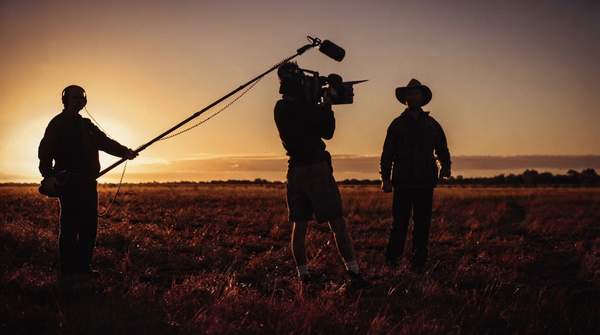
The on-set experience is profoundly transformed by virtual production, moving away from the abstract nature of green screen stages. In traditional filmmaking, actors often perform against a green screen, requiring them to imagine and react to elements they cannot physically see. This can be challenging for performance and can lead to inconsistencies in eye lines and interactions.
With virtual production, the LED volume displays the virtual world around the actors, providing an immersive environment that allows for more natural reactions and authentic performances actors perform within a visible virtual world. The dynamic lighting from the LED walls also integrates closely with the physical lighting on set, offering an immediate and consistent view of the final scene. Camera movements are tracked in real time within these virtual spaces, ensuring a seamless blend of real and virtual elements and enabling more dynamic and creative shots camera mouvements are tracked in real-time.
This real-time feedback loop allows directors, cinematographers, and actors to see the final shot as it's being captured. Creative decisions, such as adjusting lighting, camera angles, or even elements within the virtual environment, can be made instantly on set. This fosters a more collaborative and iterative creative process, transforming the filmmaking process into a fluid, interactive experience fluid, interactive experience.
Streamlining Post-Production: Reducing VFX Workload
One of the most significant advantages of virtual production is its ability to substantially reduce the volume and complexity of post-production visual effects work. In traditional filmmaking, integrating actors and foreground elements with digitally added backgrounds often requires extensive and complex VFX work, including compositing, chroma keying, and background replacement extensive and complex visual effects work. This process can be time-consuming and costly, often extending post-production timelines by months.
Virtual production, through its in-camera VFX capabilities, minimizes the need for such extensive post-production. Since final-pixel shots are captured directly on set, the virtual environment displayed on the LED volume is often the same one that appears in the finished product. This means that much of the visual effects work is completed during principal photography, rather than after.
As a result, editors and VFX artists can focus on refinement and enhancement rather than reconstruction focus on refinement rather than reconstruction. The time and resources typically spent on rendering and integrating complex digital backgrounds are drastically reduced, allowing for shorter turnaround times without compromising visual quality. This shift streamlines the entire post-production pipeline, making it more efficient and cost-effective.
Conclusion: The Practical Benefits and Future of Virtual Production
Virtual production, by integrating LED volumes, real-time rendering, and motion capture, fundamentally redefines the filmmaking workflow. This methodology offers filmmakers unprecedented creative control, flexibility, and efficiency compared to traditional methods. Key benefits include faster workflows, real-time visualization, reduced location costs, and limitless creative environments virtual production offers faster workflows. The ability to capture in-camera visual effects and make real-time creative decisions on set streamlines the entire production pipeline, significantly reducing the burden on post-production.
While virtual production requires skilled technical teams, advanced software, and can have high initial setup costs, its scalability and long-term cost-effectiveness for complex productions make it an increasingly attractive option requires skilled technical teams. By shifting creative and technical work to earlier stages and enabling final pixel capture on set, virtual production empowers filmmakers to realize ambitious visions with greater precision and speed. This innovative approach is not merely a collection of technologies but a comprehensive methodology that promises to shape the future of cinematic storytelling.
Sources
- How Virtual Production Influences the Traditional Film Production Process — Disguise
- What Is Virtual Production? LED Volumes, Workflows & Tools — TheGreenShot
- Virtual Production vs Traditional Filmmaking — Mimic Productions
- Why Real-Time Rendering Is Redefining Virtual Production — Forgevirtualstudios
- LED Volume in Film Production: A Guide to Virtual Stages — Charter