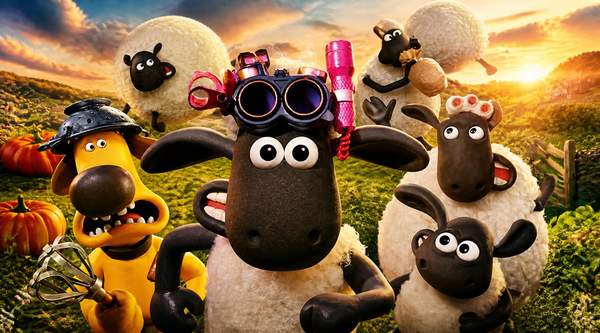
If your child has come out of the cinema wondering how Shaun the Sheep moves, they’ve stumbled upon one of animation’s most fascinating tricks. Every little movement, from a mischievous glance to a spectacular tumble, begins with an animator carefully bringing a character to life one frame at a time.
With Shaun the Sheep: The Beast of Mossy Bottom released in UK cinemas on 18 September 2026, there’s a fresh reason for families to fall in love with stop-motion animation. For children who want to try making moving pictures of their own, Sparks Film School offers hands-on animation courses where imagination becomes something they can create, film and share.
What Makes Shaun the Sheep Come Alive?
Aardman’s latest Shaun the Sheep adventure brings the flock back for a Halloween story involving a ruined pumpkin patch, a missing Farmer and a mysterious beast roaming the woods. Behind the playful characters and comic chaos is the meticulous craft that has made Aardman’s animation so recognisable.
Shaun’s movements are created using stop-motion animation, a technique that gives physical models the illusion of life. Animators make tiny adjustments to the characters and photograph each new position, building a sequence of images that becomes movement when played back.
It can take between 12 and 24 frames to create just one second of Shaun the Sheep animation. That’s a remarkable amount of work for something that passes in the blink of an eye, especially when every expression, gesture and bit of comic timing contributes to the story.
For a child fascinated by how things work, this opens up an exciting possibility. The characters they’ve imagined, drawn or made with their hands could become the stars of their own animated film.
The Moment a Character Starts Moving
One of the joys of stop-motion is how accessible the basic idea can be. A child can begin experimenting with a simple object, a small model or a character made from art materials before learning how to turn those experiments into a story.
The technique follows a simple sequence. Each small adjustment contributes to the movement that appears when the images are played together.
- Position the character. Place a model or object in front of the camera and decide how the scene should begin.
- Capture a frame. Photograph the character in its starting position.
- Make a small adjustment. Move an arm, turn the head or shift the character slightly before capturing another frame.
- Play the images together. The sequence creates the appearance of movement, revealing how those individual decisions work together.
The first playback can be a wonderful surprise. Something that was sitting still a few moments ago suddenly appears to wave, walk or leap across the screen.
Then the questions begin. What happens if the character moves a little further between photographs? How could it look surprised, frightened or delighted? What would make a jump appear faster or a character’s reaction funnier?
These experiments introduce children to the decisions animators make throughout a production. Movement becomes part of storytelling, with the pace and position of a character influencing what an audience sees and how a scene feels.
From a Moving Model to an Animated Story
Learning stop-motion becomes especially engaging when children have a story they want to tell. A character needs somewhere to go, something to do or a problem to solve, even if the entire adventure lasts only a few seconds.
A child might imagine a small creature escaping from a cardboard castle or an ordinary pencil deciding to wander across a desk. The fun comes from developing the idea and working out how to make it happen through animation.
That process introduces several creative decisions:
- Character design: What does the main character look like, and how can its appearance help communicate its personality?
- Setting: Where does the action take place, and what materials could create that environment?
- Movement: How should the character walk, react or interact with objects?
- Storytelling: What happens at the beginning, and what changes before the film ends?
- Sound: Could a voiceover, sound effect or piece of music make the finished sequence more entertaining?
At Sparks Film School, animation courses develop these interests through practical projects rather than leaving children to work everything out alone. Young animators create individual work and collaborate in small groups, gaining experience of how different creative decisions contribute to a finished production.
Specialist instructors guide students through animation techniques while encouraging them to develop their own ideas. Children receive access to the equipment and materials used in their courses, giving them opportunities to experiment with approaches they may never have tried before.
A favourite animated film might spark their interest, but their own characters and stories give them something new to share. Seeing a finished sequence on screen can be especially rewarding when they remember every little decision that went into making it.
Stop-Motion Is Only One Way to Make an Animated Film
Shaun the Sheep provides a delightful introduction to animation, but children who enjoy the technique may find themselves interested in other ways of bringing images to life.
Sparks Film School’s animation programme covers several styles, including traditional 2D drawn animation, stop-motion, motion graphics and 3D digital animation. Each approach gives young creators different possibilities for developing characters, movement and visual storytelling.
Drawn animation offers opportunities to experiment with illustration and changing expressions. Digital animation introduces different creative tools, while stop-motion gives children the tactile pleasure of making and moving physical objects.
The programme combines traditional art materials with digital equipment, including iPads and access to Adobe Creative Cloud applications. Students can work on their artistic techniques while learning about editing, voiceover, movement and other elements that contribute to animated productions.
This variety can be especially appealing to children whose interests extend beyond one favourite film. They may enjoy making models, love drawing imaginative creatures or want to experiment with digital characters, and animation gives those interests somewhere to grow.
What Children Can Experience at Sparks Film School
Sparks’ animation courses are designed around practical participation and project-based learning. Children develop their knowledge by creating work, experimenting with techniques and finding ways to turn their ideas into animated productions.
The programme welcomes beginners as well as children who already enjoy animation. Instructors adapt learning to different abilities, giving young creators opportunities to build on their existing interests and develop new skills at a suitable pace.
Weekly animation classes introduce different styles progressively, while animation holiday camps may concentrate on particular techniques and projects. A child who enjoys drawn animation might encounter stop-motion in a weekly class, while another could spend a holiday course developing a short animated film with other young creators.
There’s a social side to the experience, too. Children can contribute ideas to group productions, work together on creative challenges and see how different contributions shape the finished film.
For a parent whose child has been drawing characters, inventing stories or experimenting with moving objects, these activities offer a natural extension of something they already enjoy. They can put their ideas into practice with guidance, equipment and other children who share their enthusiasm.
Sparks’ animation courses are currently offered for ages 7–14, with dates and available formats varying between film-school locations. Parents can find local options for weekly classes and holiday activities through the school’s course information.
Frequently Asked Questions
How does stop-motion animation make a character appear to move?
Stop-motion animation creates movement by photographing an object or character in a series of slightly different positions. Sparks Film School introduces children to this technique through practical animation projects, where they can experiment with creating movement and telling stories frame by frame.
Does Sparks Film School teach animation styles besides stop-motion?
Yes, Sparks Film School’s animation programme covers 2D drawn animation, motion graphics and 3D digital animation alongside stop-motion. Children can develop experience with different materials and techniques as they create their own animated work.
What ages can join Sparks Film School animation courses?
Sparks Film School’s animation courses are currently available for children aged 7–14, although the available age groups depend on the specific location and programme. Parents can check the relevant course information to find a suitable option for their child.
Are Sparks Film School animation courses suitable for beginners?
Yes, Sparks Film School welcomes children who are discovering animation for the first time, alongside those who already have some experience. Its specialist instructors adapt activities to students’ abilities and guide them through practical creative projects.
Give Your Young Animator a Story of Their Own
A trip to see Shaun the Sheep could be the beginning of a wonderful new creative interest. Once your child understands how a character comes alive, there’s plenty of excitement in imagining what they could make move next.
Sparks Film School gives young creators opportunities to turn that excitement into their own animation projects, with specialist guidance and hands-on experience. Check the animation course options to find a local class or holiday camp where your child can start bringing their own stories to life.