Independent filmmakers navigating the evolving landscape of production can leverage emerging technologies to manage costs, enhance creative control, and streamline workflows. Tools such as AI-powered scriptwriting and post-production, alongside virtual production and virtual reality (VR) techniques, offer distinct trade-offs that warrant careful consideration. These innovations are not merely augmenting traditional methods but are actively redefining how stories are conceived and brought to the screen, presenting both significant opportunities and new challenges for independent creators.
The adoption of these technologies can lead to more efficient project completion with reduced waste, ultimately helping to keep costs under control. However, understanding their specific applications, investment requirements, impact on creative flexibility, and integration complexity is crucial for making informed decisions that align with a project's vision and budget.
The Shifting Landscape of Independent Filmmaking
Technological advancements are profoundly revolutionizing the film industry, influencing every stage from initial filming to editing, post-production, sound design, and even distribution. Emerging tools like artificial intelligence (AI), virtual production, and real-time rendering engines are fundamentally reshaping how narratives are conceptualized and produced. This shift allows filmmakers to complete projects more quickly and affordably, making high-quality content more accessible than ever before.
For independent filmmakers, these innovations offer the potential to create sophisticated visual effects and streamline complex processes that were once exclusive to large studios. The integration of digital content and advanced image-capturing technologies, for instance, enables faster production of high-quality material compared to older film techniques. This evolving technological environment presents a dynamic array of options for creatives seeking to push boundaries within the film industry.
AI in Pre-Production: Scriptwriting and Beyond
In the pre-production phase, AI tools are emerging as valuable assistants, particularly in scriptwriting. These tools can analyze existing screenplays, suggest structural improvements, and generate draft copy for various formats, including corporate content like executive interviews or explainer scripts. Programs such as ChatGPT, Claude, and specialized script tools serve as starting points, providing initial content that a human writer then refines.
While AI can significantly reduce the initial costs associated with generating draft content and suggesting improvements, it functions as an assistance tool rather than a complete creative replacement. Human oversight and editing are essential to align the output with the project's unique brand voice and to clear the final script. This integration into the pre-production workflow enhances creative possibilities by offering structural enhancements and draft material, though it always requires human refinement for the finished product.
AI in Post-Production: Visuals, Audio, and Efficiency
AI's impact extends significantly into post-production, where it helps streamline workflows and make high-end visuals and audio more accessible. These tools can drastically reduce costs for visual effects (VFX), dubbing, and even scene creation, democratizing access to capabilities once reserved for large-budget productions. The integration of AI in tasks like sound design and visual effects is ongoing, with these tools increasingly becoming available to independent filmmakers.
Advancements in AI are expected to make post-production even more accessible for low-budget filmmakers, enabling them to achieve sophisticated results more affordably and efficiently. This technological shift allows for faster creation of impressive effects, helping filmmakers produce better quality content in less time. The ability to automate or assist in complex post-production tasks means independent creators can allocate resources more strategically, focusing on creative refinement rather than labor-intensive technical execution.
Virtual Production and VR: Immersive Storytelling
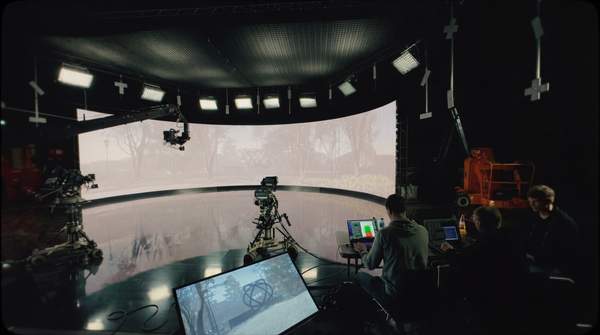
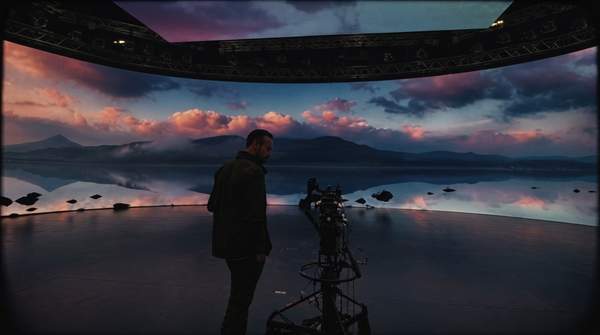
Virtual production and Virtual Reality (VR) techniques are transforming how filmmakers approach set design and immersive storytelling. Virtual production, which often utilizes LED volumes and real-time rendering engines, significantly reduces the need for expensive physical sets, locations, and props. This leads to substantial cost savings by minimizing traditional production expenses and allowing filmmakers to create and modify virtual environments quickly and easily.
These techniques offer enhanced creative control and flexibility, as filmmakers can preview and adjust scenes and environments in real time, making informed decisions and saving time during post-production. While the initial setup investment for virtual production is implied, the long-term cost reductions and creative benefits are considerable. VR, similarly, provides new avenues for creating immersive experiences and digital models, enhancing visual aesthetics and offering real-time creative control over environments for compelling storytelling.
Comparative Overview of Emerging Filmmaking Technologies
| Technology Category | Typical Investment Cost | Impact on Creative Flexibility | Workflow Integration Complexity | Potential for Independent Projects |
|---|---|---|---|---|
| AI Scriptwriting Tools | Reduces initial draft costs by generating content and suggesting improvements. | Enhances creative possibilities by providing structural improvements and draft copy, serving as assistance, not full creative replacement. | Integrates into pre-production as an assistance tool, requiring human oversight and editing for final output. | High, for generating initial concepts and refining scripts. |
| AI Post-Production/VFX | Significantly reduces costs for VFX, dubbing, and scene creation, making high-end visuals accessible; expected to become more accessible for low-budget filmmakers. | Expands visual and audio possibilities, enabling sophisticated effects and sound design. | Helps streamline post-production workflows; integration is ongoing, with tools increasingly in the hands of independent filmmakers. | High, for achieving professional-grade visuals and audio on a budget. |
| Virtual Production/VR Techniques | Reduces the need for physical sets and on-location shooting, lowering overall production costs; initial setup investment is implied but not quantified for independent filmmakers. | Offers real-time creative control over environments and enhances visual aesthetics for immersive storytelling, providing new ways to create immersive experiences and digital models. | Integrates real-time visualization into production, enabling informed decisions and saving post-production time. | Moderate to High, for creating complex environments and immersive narratives. |
Democratization and Creative Empowerment
Emerging technologies are democratizing access to filmmaking, significantly lowering barriers to entry for independent creators. AI-assisted tools and virtual production techniques enable filmmakers to achieve high-quality results that were previously unattainable without substantial budgets and resources. This accessibility enhances creative possibilities, allowing independent artists to experiment with narrative structures, visual aesthetics, and production economics in new ways.
The ability to generate complex visual effects, refine scripts, and create virtual environments more affordably means that creative vision is less constrained by financial limitations. This empowerment fosters innovation and allows a broader range of voices to tell their stories, enriching the cinematic landscape with diverse perspectives and experimental approaches that might not fit traditional studio models.
Navigating New Ethical and Authorship Considerations
While emerging technologies offer immense opportunities, they also introduce complex considerations regarding authorship, ethics, and the very nature of cinematic language. As AI tools generate script drafts or create synthetic media, questions arise about who holds the ultimate creative ownership and responsibility for the content. The line between human creativity and machine assistance becomes increasingly blurred, necessitating a rethinking of traditional authorship models.
Ethical concerns also emerge, particularly with technologies like voice cloning or deepfakes, which can be used to create realistic but fabricated content. Filmmakers must navigate these ethical landscapes responsibly, considering the implications of their technological choices on authenticity, representation, and audience perception. These challenges require a thoughtful approach to ensure that technological advancements serve artistic integrity and ethical standards within the filmmaking community.
Making Informed Choices for Your Independent Project
Independent filmmakers should evaluate emerging technologies by balancing their project's specific creative needs against the cost-saving potential and workflow integration challenges each technology presents. The successful integration of AI or Virtual Production tools into an independent film's workflow, evidenced by reduced production time or enhanced visual quality within budget constraints, will be a key indicator of their effective adoption.
Sources
- How Technology is Revolutionising Film Production — SAE United Kingdom
- AI in the Filmmaking Workflow — 2026 Guide — Audiovisuallab
- AI and Virtual Production: The Past Meets the Future — Arts Management and Technology Lab
- The Future of Film: Emerging Technologies and Trends Shaping the Industry — HUB
- From Script to Screen — Research Archive
- Respeecher