Television's Narrative Dominance Set to Eclipse Film

In 2023, HBO's 'Succession' finale captivated 2.

JM
Julian Mercer

April 26, 2026 · 3 min read

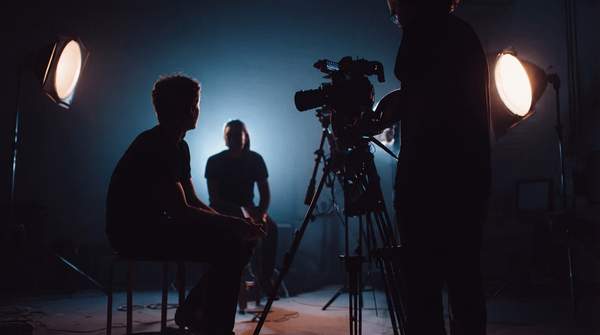
A symbolic image depicting television's growing cultural dominance over film, with viewers captivated by a screen while a film audience disperses.

In 2023, HBO's 'Succession' finale captivated 2.9 million viewers, sparking global conversations for weeks. This data is historical. This engagement sharply contrasted with the year's highest-grossing original film, which, despite its box office success, faded quickly from the cultural discourse. Film once reigned supreme, but television's serialized narratives now offer unparalleled depth and cultural resonance. The streaming era has shifted expectations; film's two-hour format struggles against television's sustained relevance and critical acclaim. The cultural landscape is shifting, with television becoming the primary arena for complex narratives and artistic achievement, redefining 'cinematic' storytelling.

A 2023 Nielsen report found viewers spent 60% more time watching streaming TV series than theatrical films at home. This preference for episodic content extends to critical reception; top-tier TV dramas like 'Breaking Bad' and 'The Sopranos' consistently outrank average blockbusters on Rotten Tomatoes. The financial investment mirrors this shift: the average budget for a prestige TV drama episode now rivals or exceeds many independent feature films, according to Variety. Together, these figures confirm a fundamental reorientation of audience engagement and critical appreciation towards television's long-form narratives, challenging film's traditional dominance.

The Long-Form Advantage: Television's Deepening Impact

Television series inherently allow for character arcs spanning dozens of hours, fostering profound audience connection a two-hour film rarely achieves, according to Screenwriting Today. This extended canvas supports intricate world-building and multi-layered plots, which feature films often condense, as explored in Film Quarterly. Showrunners like Shonda Rhimes and Damon Lindelof pioneer narrative structures in television with ambition often exceeding mainstream cinema, reports The Hollywood Reporter. This sustained engagement is quantifiable: Netflix Internal Data shows higher completion rates for multi-season TV dramas than film franchises. The implication is clear: television has become the primary laboratory for narrative innovation, pushing the boundaries of what audiences expect from character development and plot complexity.

The Enduring Allure of the Big Screen – A Fading Echo

The communal theater experience, especially for blockbusters, remains unparalleled for immersion, according to the National Association of Theatre Owners (NATO). Film festivals like Cannes and Sundance still launch groundbreaking artistic works and new directorial voices, maintaining industry prestige, as noted by the Film Festival Circuit. Tentpole superhero films still command budgets dwarfing even the most expensive TV series, allowing for unparalleled visual effects and scale, reports Box Office Mojo. Yet, these advantages, while potent for spectacle, increasingly fail to translate into superior narrative depth or lasting cultural impact. A film's initial box office success struggles to sustain conversation beyond opening week, unlike popular TV series. The implication is that while spectacle draws crowds, it no longer guarantees a place in the cultural zeitgeist.

Behind the Shift: Economics, Creative Freedom, and Viewer Demand

Streaming platforms, with their subscription models, explicitly incentivize long-form content to retain subscribers, according to Deloitte Media Trends. This translates to greater creative control for prestige TV writers and directors, who report less studio interference than on major films, a Directors Guild of America Survey revealed. The 'binge-watching' phenomenon normalizes consuming complex narratives over extended periods, naturally favoring television's episodic format, as examined in Psychology Today. This stands in stark contrast to film studios, which increasingly rely on pre-existing intellectual property and sequels, limiting original storytelling, while television embraces new concepts, observes Variety Intelligence Platform. The implication is that the very business model of entertainment now actively cultivates television as the primary incubator for bold, original narratives, leaving film to largely recycle known quantities.

The Future of Storytelling: A Television-First World

Major film directors like Martin Scorsese and Steven Spielberg increasingly turn to television for projects demanding extensive narrative scope, reports The New York Times. Film schools are expanding curricula to include more television writing and production, responding to evolving industry demand, according to the USC School of Cinematic Arts. The very definition of 'cinematic' now encompasses high-quality television production and sophisticated storytelling, a development Sight & Sound Magazine highlights. Audiences now expect film-level production quality from their television series, raising the bar for all content creators. Companies investing heavily in traditional, standalone film production without a robust serialized content strategy risk diminished cultural relevance and subscriber churn. By Q3 2026, many traditional film studios may face significant subscriber stagnation if they fail to prioritize long-form, serialized storytelling.