1,000+ Hollywood Creators Oppose Paramount-Warner Bros. Merger

Nearly 1,000 artists and movie creators, including Ben Stiller, Bryan Cranston, Noah Wyle, Joaquin Phoenix, Kristen Stewart, and Jane Fonda, have signed a letter opposing Paramount's proposed takeover

JM
Julian Mercer

April 14, 2026 · 5 min read

A diverse group of prominent Hollywood creators, including actors and directors, holding signs in protest against the proposed Paramount-Warner Bros. merger.

Nearly 1,000 artists and movie creators, including Ben Stiller, Bryan Cranston, Noah Wyle, Joaquin Phoenix, Kristen Stewart, and Jane Fonda, have signed a letter opposing Paramount's proposed takeover of Warner Bros. Discovery, according to the Los Angeles Times. A deep unease regarding the future of content production is signaled by this collective action from Hollywood's creative community. The widespread opposition from Hollywood creators to a potential Paramount-Warner Bros. merger in 2026 highlights significant industry concerns, with various reports describing the transaction as a merger or an acquisition involving Skydance.

Media giants are pursuing a $111 billion merger to gain market power. However, the very talent essential to their content creation is publicly denouncing the deal. A fundamental conflict between corporate strategy and the artists who drive industry value is revealed by this tension.

The proposed Paramount-Warner Bros. Discovery merger faces significant headwinds not only from financial instability but also from a powerful internal revolt. This opposition could undermine its long-term viability and creative output. A desperate financial maneuver to manage crushing debt is represented by the deal, potentially accelerating the decline of both studios.

Why Do Hollywood Creators Oppose Mergers?

Over 1,000 writers, actors, and directors signed an open letter opposing the proposed Paramount–Warner Bros. Discovery merger, according to BBC and CBS News. This broad coalition includes filmmakers, actors, and industry professionals, as reported by Reuters. More than 1,000 performers, creatives, and other industry professionals signed an open letter, according to deadline.

The participation of a wide array of industry professionals, from writers to directors and performers, underscores a unified concern across the creative ecosystem regarding the potential negative impacts of such a large-scale merger. A systemic fear within Hollywood that financially distressed consolidation will lead to cost-cutting at the expense of creative freedom is suggested by this collective action. Such a merger risks exacerbating existing labor tensions within the industry.
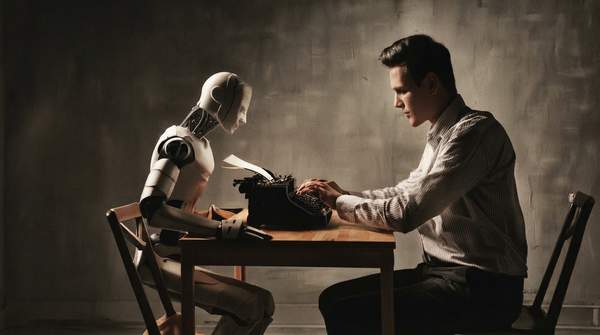
The sheer scale of creative opposition suggests that this merger is not about growth. Instead, it appears to be about a financially distressed consolidation that will inevitably lead to talent compensation reductions. A fundamental disconnect between corporate financial goals and the needs of content creators is highlighted by this concern.

What Are the Financial Risks of the Paramount-WBD Merger?

The proposed merger is valued at $111 billion, according to WFMZ. A combined Paramount and WBD would carry $78.8 billion in debt, as reported by deadline. These companies would also face a combined debt-to-equity ratio of 218%, which is 10 times higher than Disney's.

The sheer scale of the merger and its enormous debt burden ($78.8 billion combined) highlight the significant financial pressures driving this consolidation. A desperate attempt to stabilize two struggling entities rather than a growth-oriented synergy is indicated by this staggering debt-to-equity ratio, far exceeding industry peers like Disney. This appears less like a strategic power play and more like a desperate attempt to manage an unsustainable financial burden.

With a combined debt-to-equity ratio 10 times Disney's, the proposed $111 billion merger appears less like a strategic power play and more like a desperate attempt to leverage scale to manage an unsustainable financial burden. This gamble risks alienating both investors and essential creative talent, potentially undermining its strategic rationale.

Why is Paramount Seeking a Merger?

Paramount's stock price dropped by over 33% from $13.51 to $9 between February 27 and March 18, according to deadline. This significant decline occurred in less than a month after merger talks became public. The rapid depreciation reflects investor skepticism regarding the company’s standalone future.

Paramount's recent substantial stock decline suggests a company under financial duress, making a large-scale merger an urgent strategy. Investors are already skeptical of the financial viability and strategic benefits of this consolidation. This mirrors the creative community's concerns about the deal's underlying health.

The company's precarious market position likely motivates this consolidation, driven by an unsustainable debt burden. This defensive strategy aims to stabilize its market position and address investor concerns, despite the considerable risks involved for the new entity.

How Will Creator Opposition Affect the Merger?

Over 1,000 Hollywood figures released an open letter opposing the Paramount-Warner Bros. Discovery merger, according to The Hollywood Reporter. Over 1,000 film and TV stars and creatives signed an open letter opposing Paramount Skydance's acquisition of Warner Bros. Discovery, as reported by Variety.

This sustained and vocal opposition from a broad spectrum of stars and creatives could significantly complicate regulatory approval. It also pressures stakeholders to reconsider the merger's long-term viability and impact on talent. A profound industry crisis where financial desperation drives consolidation at the expense of value-creating talent is signaled by the public rebellion.

A profound industry crisis is signaled by this unprecedented public rebellion of over 1,000 Hollywood creatives against the Paramount-WBD merger. Financial desperation is driving consolidation at the expense of the very talent that creates value, threatening to accelerate the decline of traditional studios.

Addressing Key Questions About the Opposition

What are the main concerns of Hollywood creators regarding the Paramount-Warner Bros merger?

Creators fear reduced competition, which could lead to fewer buyers for their projects and less favorable deal terms. They also worry about potential cost-cutting measures impacting production budgets and creative freedom. The consolidation could further centralize power, limiting opportunities for diverse storytelling across film and television.

Who is opposing the Paramount-Warner Bros merger in 2026?

The opposition includes a wide range of industry professionals, such as writers, actors, directors, and other creatives. Over 1,000 Hollywood professionals released an open letter opposing the Paramount-Skydance takeover of Warner Bros. according to NBC News. This collective represents a significant portion of the talent essential to both film and television production.

Will the Paramount-Warner Bros merger affect film production in 2026?

The merger is likely to affect film production by potentially streamlining studio operations and content slates. This could result in fewer greenlit projects and a greater focus on established franchises and intellectual property. Creators anticipate a more challenging environment for pitching original and independent productions within the newly merged entity.

By Q3 2026, the merged entity, if approved, will face the immediate challenge of integrating operations while navigating sustained creative resistance and a massive debt load. This complex environment could define the future trajectory of both Paramount and Warner Bros. Discovery.