YouTube will label AI videos, even if you don't.

YouTube will now automatically apply AI content labels to realistic AI-generated videos, even if creators do not disclose AI use.

TC
Tara Collins

May 29, 2026 · 4 min read

A digital interface showing AI-generated content merging with real video footage, symbolizing YouTube's new AI labeling policy for creators.

YouTube will now automatically apply AI content labels to realistic AI-generated videos, even if creators do not disclose AI use. The automatic application of AI content labels marks a significant shift in platform accountability. Millions of creators must now consider how their content is produced. The platform aims to rebuild viewer trust, challenged by synthetic media.

However, YouTube rolls out automatic AI detection and prominent labels for photorealistic AI. It explicitly exempts AI used for productivity tools like script generation. The exemption of AI used for productivity tools creates a gray area for transparency. The strategy focuses on visual alterations while allowing textual AI to operate without explicit disclosure. The strategy prioritizes visual authenticity over the underlying message's integrity.

Creators will face increased scrutiny and a clearer mandate for disclosure. Increased scrutiny and a clearer mandate for disclosure push the platform towards greater authenticity. Yet, the line between 'realistic' and 'productivity' AI will likely spark ongoing debate. The two-tiered system allows subtle, script-level AI manipulation to flourish unchecked. It could erode trust more insidiously than obvious deepfakes.

YouTube's Evolving Stance on AI Transparency

YouTube now requires creators to disclose realistic altered or synthetic content, including AI use, according to company blog posts. This applies to content where AI generates or significantly modifies scenes, events, or individuals. The platform will also implement more prominent disclosure labels for AI-generated content, as reported by 9to5Google. These labels will appear in multiple places. Even content from YouTube's own generative AI products will be clearly labeled as altered or synthetic, setting an internal precedent.

This approach distinguishes human-made content from AI-generated media. It aims to preserve viewer trust and establish a clear standard. By mandating disclosure and enhancing label visibility, YouTube attempts to preemptively address misinformation and deepfakes. Mandating disclosure and enhancing label visibility fosters a more accountable content ecosystem, but also puts the onus on creators to navigate these new distinctions carefully.
How YouTube Proactively Detects AI in Videos

YouTube will automatically apply AI-generated content labels if it detects significant photorealistic AI use, according to Variety and TechCrunch. The automatic application of AI-generated content labels invests in technology to flag AI-altered content without relying solely on creator disclosure. The system targets visually convincing AI alterations that could mislead viewers about real-world events or people. The system's focus on 'significant photorealistic AI' prioritizes deepfake-like content over more subtle AI applications.

This shifts the transparency burden from creators alone to the platform itself for highly realistic AI content. YouTube acknowledges creator self-regulation might not suffice. It provides a technological safeguard to protect viewers from deceptive media. YouTube's provision of a technological safeguard means it is an active participant in ensuring AI content transparency, particularly where visual fidelity is concerned.

The Limits of Detection and Disclosure Policies

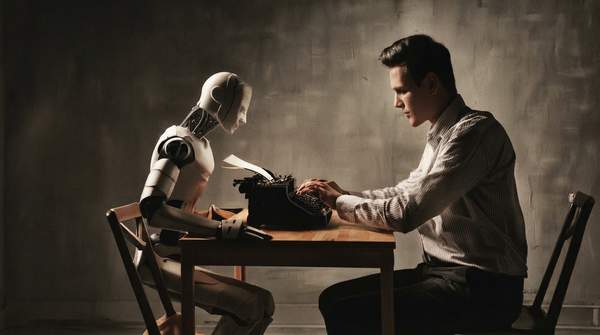
YouTube's policies exempt generative AI used for productivity, like scripts or content ideas, from disclosure, according to blog posts. The exemption creates a loophole. AI can influence a video's narrative and message without viewer awareness. Visual deepfakes are targeted, but core content can remain AI-driven and undisclosed.

This exemption contrasts with available AI detection capabilities. Winston AI, for instance, boasts 99.98% accuracy in detecting AI-generated content, according to gowinston. The contrast with available AI detection capabilities suggests YouTube's decision to exempt AI-generated scripts is a policy choice, not a technical limit. Prioritizing visual transparency over textual integrity is a strategic blind spot. It leaves viewers susceptible to AI-crafted narratives, which are harder to identify than visual alterations.

While YouTube aims for transparency with photorealistic AI, the productivity AI exemption means a complete picture of AI's role remains elusive. The two-tiered system, with its productivity AI exemption, flags obvious visual alterations, but allows AI-crafted messages to pass as human-generated. The disparity of the two-tiered system could subtly erode trust, as manipulation is deeply embedded in the content's core.

Impact on Creators and Content Authenticity

YouTube's automatic AI content labels for realistic AI-generated videos, even without creator disclosure, according to Music Business Worldwide, means creators can no longer ignore disclosure. The platform will intervene. The platform's intervention shifts greater responsibility onto creators to understand 'realistic' AI content, pushing for more deliberate and transparent practices.

These policies compel creators to be mindful of AI usage. These policies foster transparency but also introduce new compliance challenges. Creators must navigate the fine line between AI as a productivity tool (no disclosure) and AI as a realistic content generator (explicit labeling). This distinction, clear on paper, can become ambiguous in practice. It could lead to confusion and unintended non-compliance for innovators.

This framework might also create a chilling effect on certain AI-driven creative processes. Creators may hesitate to experiment with AI if it could be misconstrued as 'realistic altered content,' even if artistic. Conversely, the script-generating AI exemption could encourage its widespread, undisclosed use. The script-generating AI exemption subtly shapes opinions and narratives without viewer awareness, creating a trust deficit where AI-generated ideas foster a hidden layer of influence.

The Future Landscape of AI Content on YouTube

YouTube's ongoing automatic AI detection for undisclosed AI use, according to 9to5Google, will likely lead to a more transparent content ecosystem. Viewers will increasingly see AI labels. Creators must adapt workflows to avoid penalties or reduced visibility.

Refining AI detection technologies will be crucial. As generative AI advances, so must the tools identifying it. YouTube's strategic focus on visual AI detection, while critical for combating deepfakes, overlooks AI's potential to subtly shape opinions and spread misinformation through AI-generated scripts. Addressing the full spectrum of AI's influence requires continuous adaptation from creators and refined detection.

By Q4 2026, YouTube will likely feature more explicitly labeled AI-generated content, especially photorealistic. However, the true challenge remains addressing subtle, undisclosed AI influence in script generation and content ideation. The loophole of subtle, undisclosed AI influence could undermine broader transparency efforts. The tension between visible and hidden AI will persist, shaping creator operations and viewer perception of digital media authenticity.