Tilly Norwood, an AI-generated character, is slated to star in the upcoming feature film 'Misaligned', a development that immediately ignited discussions in Hollywood regarding authorship and the fundamental definition of an actor, according to the Los Angeles Times. This marks a pivotal moment, as AI-generated characters move from novelties to central figures, challenging established norms for creative production and human performance in film. The ethical implications of AI animation in film are becoming a critical concern for the industry in 2026.
While AI-generated characters are being embraced for their versatility across diverse genres, major film festivals are simultaneously banning AI content, specifically citing its current inability to convey deep human emotion. This creates a stark tension, forcing the industry to reconcile technological advancement with traditional artistic values. The debate extends beyond technological capability, touching on the very essence of human creativity and emotional authenticity on screen.
The film industry is on a collision course between technological innovation and traditional artistic values, which will likely lead to a bifurcated creative landscape where AI-driven content coexists with, but is distinct from, human-centric art, necessitating urgent re-evaluation of creative rights and definitions. This emerging division will reshape career paths for animators and actors, compelling a redefinition of what constitutes artistic contribution and ownership in a hybrid creative environment.
The debut of AI-generated characters like Tilly Norwood has sparked significant debates in Hollywood, directly questioning the nature of artistry and who qualifies as an actor. This shift extends beyond merely creating fictional beings; it involves repurposing or manipulating human identities, blurring established lines of consent and legacy for performers both living and deceased. The profound impact AI is having on the foundational elements of film production.
The Rise of the Digital Performer
Eline van der Velden, Tilly Norwood’s creator, compares the AI character to established fictional figures like Cinderella, suggesting it is natural to assign pronouns such as ‘she’ to Tilly, according to the Los Angeles Times. This perspective views AI characters as legitimate entities within storytelling, deserving of individual recognition. Van der Velden further envisions Tilly not as a single character but as a performer capable of appearing in various genres, highlighting her potential as a versatile digital asset. She likens the creative process to playing with a ‘Barbie doll’, emphasizing the immense flexibility and control available to creators, who can direct Tilly’s performance across diverse narrative demands.
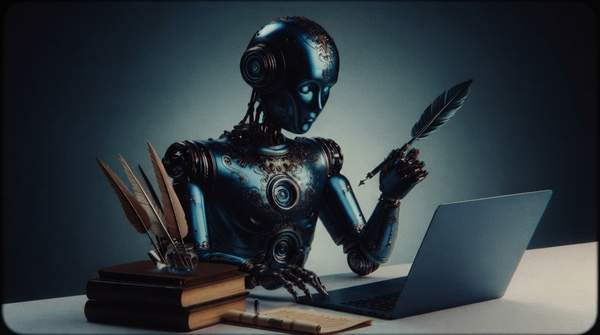
This vision for AI characters demonstrates a clear trajectory towards AI functioning not merely as a production tool, but as a direct participant in the creative process. Such digital versatility offers film studios and advertisers immense creative flexibility and cost efficiency, enabling the creation of new digital personas without traditional human limitations. The ability to generate performances on demand, free from scheduling conflicts, travel costs, or salary negotiations, presents a compelling economic advantage for studios. This fosters a fundamental disagreement on whether AI creations are merely sophisticated tools under human control or possess an emerging form of agency and artistic merit comparable to human actors.
Guardians of Human Artistry
The Cannes Film Festival banned AI content from its prestigious Palme d'Or competition, asserting that AI cannot feel deep emotions, according to The Guardian. A significant ideological divide within the film industry is underscored by this decision, prioritizing human expression over technological novelty. It creates a two-tiered system where some festivals uphold traditional artistic standards while others explore new frontiers, fundamentally questioning the artistic validity of AI-generated works.
Controversy also emerged when a short film featuring characters remarkably similar to Aardman Animation's iconic Wallace and Gromit was shortlisted for an award. This incident, alongside the general debate sparked by Tilly Norwood, reveals complex new challenges regarding intellectual property, originality, and the very definition of creative authorship. The rise of AI performers introduces questions extending beyond just the role of an 'actor' to encompass the entire creative chain. Human animators' jobs in 2026 are increasingly affected by these developments, leading to concerns about job security and the future of traditional animation.
The stark contrast between Cannes' ban on AI content and the World AI Film Festival’s (WAIFF) embrace reveals a growing ideological chasm within cinema. This division forces creators to choose between preserving the sanctity of human emotion and exploring the boundless, yet potentially soulless, frontiers of AI artistry. The film industry is bifurcating, with one segment embracing AI for its creative potential in fantastical genres, while another rejects it for its perceived inability to convey deep human emotion, creating two distinct and potentially irreconcilable artistic paths for cinema.
The Ethics of Digital Likeness
The Volkswagen advertising campaign featured the face of the long-passed Brazilian singer Elis Regina, with her inheritors agreeing to the use of her likeness, as reported by the Animation Studies blog. This commercial acceptance and established legal framework for digitally resurrecting deceased performers moves beyond mere character creation, delving into the complex ethical considerations of digital necromancy. It demonstrates how readily commercial entities are adopting AI to repurpose or manipulate human identities, raising urgent questions about consent, ownership, and the enduring legacy of an individual's image. This trend suggests that the copyright issues with AI-generated animation are rapidly evolving, requiring new legal precedents.
The ability to digitally replicate and manipulate human likeness, even posthumously, raises urgent questions about consent, ownership, and the enduring legacy of an individual's image. This extends to the rights of creators and subjects, demanding a clear framework for how digital identities are managed and protected. The emergence of AI-generated characters like Tilly Norwood, combined with the commercial resurrection of deceased performers like Elis Regina, signals that the film industry is already trading traditional human performance for digital versatility and control, often without fully grappling with the ethical implications of digital identity.
A Shifting Landscape for Human Creatives
The rise of AI-generated characters poses significant challenges for human actors, animators, and traditional artists, who face potential displacement and devaluation of their craft. While AI offers new creative avenues, the question of whether AI will replace human animators in film by 2026 remains a central concern. The debates sparked by figures like Tilly Norwood, and controversies surrounding AI-generated content, underscore the urgent need for new ethical frameworks. These frameworks must address intellectual property, originality, and the evolving definition of creative authorship in a film industry increasingly reliant on artificial intelligence. This requires proactive engagement from guilds, legal bodies, and creators themselves to define fair practices.
The industry must now confront how to preserve human artistry while integrating digital versatility. This necessitates a re-evaluation of creative rights and the establishment of clear guidelines for consent, ownership, and legacy in the age of digital identity. Without these protections, human talent risks becoming merely a data source for AI systems, diminishing the value of individual contributions. By 2026, film studios will increasingly navigate these ethical complexities, balancing cost efficiency and creative flexibility against the imperative to preserve human artistry and ensure fair compensation for human contributors, shaping the future of content creation.