How to Adapt a Novel Into a Screenplay: Challenges and Solutions

The 1995 movie adaptation of 'The Scarlet Letter' is widely considered 'one of the worst book adaptations ever made,' a stark reminder of the perilous journey from page to screen.

AF
Amelia Frost

June 9, 2026 · 4 min read

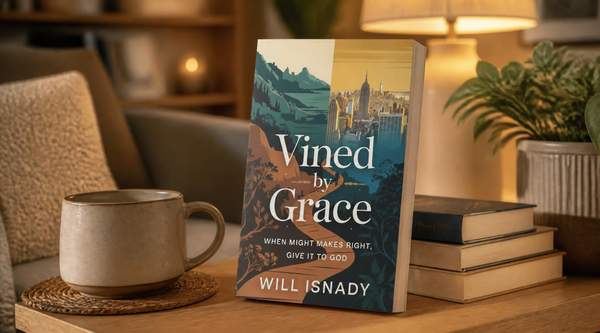
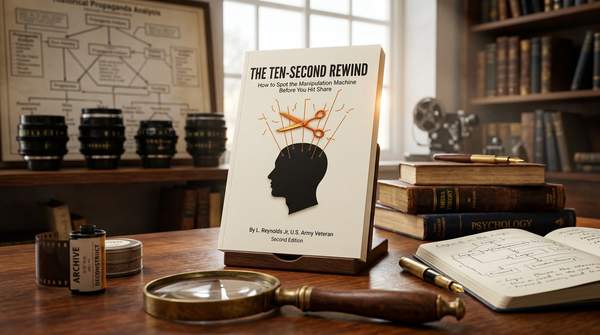
A visual representation of adapting a novel into a screenplay, showing the contrast between books and a film scene.

The 1995 movie adaptation of 'The Scarlet Letter' is widely considered 'one of the worst book adaptations ever made,' a stark reminder of the perilous journey from page to screen. While audiences often expect fidelity, successful screenplays frequently demand significant structural and character departures. The critical failure of 'The Scarlet Letter' (1995) proves that a reluctance to deviate from a novel's original structure often leads to artistic and commercial failure. Filmmakers must embrace this transformative nature, understanding that a good movie is not a literal translation of a good book.

From Page to Screen: A Fundamental Transformation

Screenplays are blueprints for a movie, not a final art form like novels, according to Indie Author Magazine. This fundamental difference means a novel’s expansive narrative, internal monologues, and descriptive passages cannot directly transfer to the visual medium. Adaptation, therefore, is less about literal conversion and more about reinterpretation, as noted by MDPI. Denis Villeneuve, director of the 'Dune' saga, notably changed Chani’s character from a faithful lover of Paul to a hardened Fremen, according to SB Statesman. This strategic alteration, alongside the failure of 'The Scarlet Letter' (1995), proves that significant departure from source material is often a prerequisite for cinematic success, not a creative risk. Filmmakers who prioritize direct fidelity misunderstand the medium, dooming projects to structural incoherence and audience disengagement.

The Blueprint: Screenplay Structure and Formatting

Screenplay structure fundamentally differs from a novel's narrative. The first act introduces characters and conflict, establishing a concise trajectory, unlike a novel's gradual exposition, as outlined by Indie Author Magazine. Similarly, the second act demands a tight, escalating dramatic arc with rising stakes and a midpoint twist. Even descriptive passages are constrained to four lines or less, forcing visual thinking over prose, according to Indie Author Magazine. These rigid demands compel screenwriters to prioritize visual storytelling and concise action, fundamentally reshaping narrative progression away from internal thought or expansive prose. This inherent structural difference means a direct translation is often a narrative impossibility.

Navigating the Perils of Adaptation

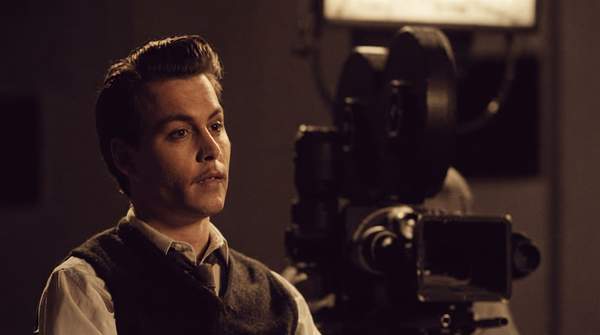
Clinging too tightly to a novel's narrative often results in a visually inert or overly complex film. Expansive internal monologues and intricate subplots, while enriching a novel, become cumbersome on screen, disrupting pacing and audience engagement. The critical failure of 'The Scarlet Letter' (1995) and the strategic character changes in 'Dune' unequivocally prove that true adaptation is an act of creative destruction, not preservation. Studios must empower screenwriters to betray the source for the screen, recognizing that cinematic impact outweighs textual integrity.

Crafting a Cinematic Vision

Crafting a cinematic vision demands prioritizing visual storytelling, where film communicates through images and actions, not extensive narration. Screenwriters must distill complex literary characters into dramatically compelling forms, often altering motivations or relationships. Emphasizing dramatic pacing ensures momentum, translating thematic resonance into a compelling sequence of events. This means a successful adaptation isn't just about 'what happens,' but how it's visually and rhythmically conveyed.

Common Questions About Adapting Novels

What are the biggest challenges in adapting a book to film?

The primary challenge involves converting a novel's extensive internal monologue and descriptive prose into visual storytelling. Screenwriters must externalize thoughts and feelings through action, dialogue, and visual metaphor. Another hurdle is compressing a novel's sprawling narrative and numerous subplots into a two-hour film, requiring difficult decisions about what to cut or combine for a coherent story.

How do you decide what to keep and cut when adapting a novel?

Decisions about what to keep and cut hinge on identifying the novel's core themes, central conflict, and essential character journeys that can be effectively communicated visually. Screenwriters prioritize plot points and character interactions that directly advance the main story arc, rather than including every detail. This requires a clear understanding of the film's intended message and emotional impact, eliminating elements that do not serve the new medium.

What are the key decisions in screenplay adaptation?

Key decisions in screenplay adaptation include selecting the narrative's point of view, which might differ from the novel, to best serve cinematic impact. Screenwriters also make crucial choices regarding narrative compression, often condensing multiple book characters or streamlining complex timelines. Aligning the adaptation with a specific film genre, even if the novel spans several, helps establish audience expectations and guide creative choices.

The Art of Reinvention

Successful novel adaptations demand a radical re-engineering of the source material, a necessary betrayal prioritizing cinematic impact over textual integrity. Filmmakers who embrace this creative destruction, understanding film as a distinct art form, often produce the most critically acclaimed and audience-engaging works. If studios empower screenwriters to fundamentally reimagine literary works for their 2026 release schedules, they are likely to achieve greater cinematic success.