Filmmaking MasterClasses for Aspiring Directors

To learn about staging and efficiency, Steven Spielberg's "Raiders of the Lost Ark" plays with no sound in one MasterClass lesson.

JM
Julian Mercer

June 10, 2026 · 5 min read

Aspiring director studying film reels, symbolizing learning filmmaking techniques from MasterClasses.

To learn about staging and efficiency, Steven Spielberg's "Raiders of the Lost Ark" plays with no sound in one MasterClass lesson. This silent viewing reveals layers of directorial intent often missed, compelling learners to dissect camera movements, blocking, and environmental details that forge cinematic impact.

Professional filmmaking techniques often seem esoteric and exclusive, guarded by years of on-set experience or expensive institutional access. Yet, MasterClass makes these complex methods directly accessible and deconstructable for a monthly fee.

The democratization of high-level filmmaking instruction through platforms like MasterClass appears likely to accelerate the development of new directorial talent outside traditional pathways.

Deconstructing Masterpieces: Learning by Example

Steven Spielberg’s MasterClass uses silent scene analysis to force learners into isolating visual language: staging, framing, movement. This approach democratizes access to filmmaking logistics and visual storytelling, a skill often underdeveloped in traditional film curricula. It implies a future where visual literacy, not just narrative, becomes the core of directorial training.

1. Ron Howard Teaches Directing

Best for: Aspiring directors seeking comprehensive guidance on narrative filmmaking.

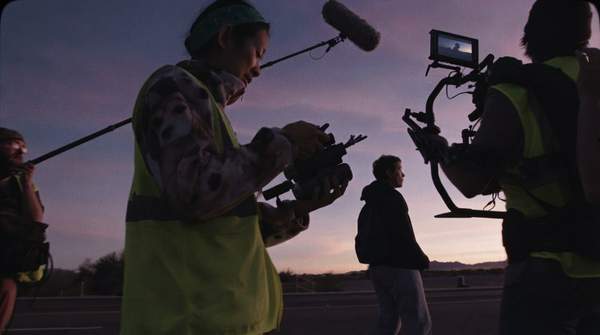
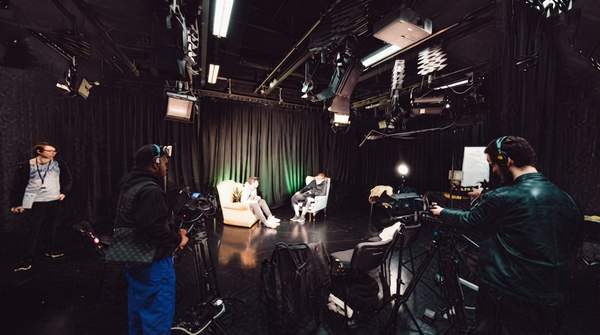
Description: Ron Howard's MasterClass offers 32 lessons, nearly 8 hours, including an 8-part series observing him direct a Frost/Nixon scene (jonnyelwyn.co.uk). It covers story development, actor collaboration, and on-set problem-solving. This deep dive into a working set demystifies the director's role, suggesting that practical observation can be as valuable as theoretical study.

Strengths: In-depth observation of a master director's process; practical advice across various stages of production. | Limitations: May not cover avant-garde or highly experimental techniques extensively. | Price: Annual MasterClass membership required.
2. Spike Lee Teaches Independent Filmmaking

Best for: Filmmakers aiming to create socially conscious or low-budget independent films.

Description: Spike Lee's course covers writing, budgeting, casting, shooting, editing, and using film for social change (cnet.com). He emphasizes authenticity and personal voice. This focus on resourcefulness and social impact offers a blueprint for filmmakers to find their voice beyond studio constraints.

Strengths: Focus on resourcefulness and impactful storytelling; guidance on navigating the independent film circuit. | Limitations: Specific to independent film, potentially less applicable to large studio productions. | Price: Annual MasterClass membership required.
3. Ken Burns Teaches Documentary Filmmaking

Best for: Documentarians interested in historical narratives and archival storytelling.

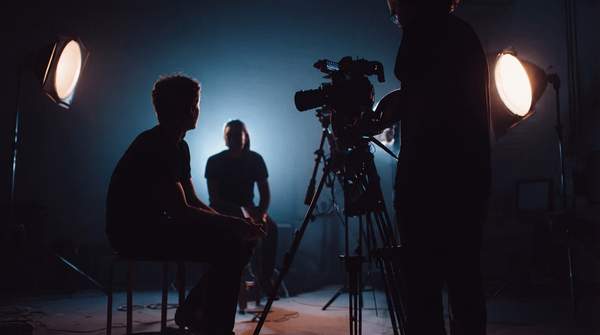
Description: Ken Burns's MasterClass focuses on subject selection, narrative construction, research, archival footage, and editing (cnet.com). He shares his distinctive approach to bringing history to life. His method reveals that compelling non-fiction requires the same narrative rigor as fiction, elevating historical storytelling to an art form.

Strengths: Expert instruction on crafting compelling non-fiction stories; insights into ethical considerations in documentary. | Limitations: Primarily geared towards historical documentary, less on experimental forms. | Price: Annual MasterClass membership required.
4. Martin Scorsese Teaches Filmmaking

Best for: Aspiring directors keen on narrative storytelling, film history, and genre mastery.

Description: Martin Scorsese's MasterClass teaches general filmmaking principles, drawing upon his extensive filmography and deep understanding of cinematic language (cnet.com). His lessons explore storytelling and character development, implying that a director's vision is rooted in a profound appreciation for film history and its evolving grammar.

Strengths: Insights from an iconic director known for his distinctive style; exploration of storytelling and character development. | Limitations: May be more philosophical than purely technical in some areas. | Price: Annual MasterClass membership required.

5. Jodie Foster Teaches Filmmaking

Best for: Directors seeking perspectives on acting, character, and effective communication on set.

Description: Jodie Foster's MasterClass teaches general filmmaking, offering a unique lens from her dual experience as an actor and director (cnet.com). Her insights into performance and directing actors suggest that a deep understanding of the actor's process is crucial for a director to elicit authentic performances.

Strengths: Focus on performance and directing actors; practical advice from a seasoned professional. | Limitations: Specific content details are less granular in available reports. | Price: Annual MasterClass membership required.

6. David Lynch Teaches Filmmaking

Best for: Experimental filmmakers and those interested in surrealist or non-linear storytelling.

Description: David Lynch's MasterClass teaches general filmmaking, emphasizing creative freedom and accessing subconscious ideas (cnet.com). His approach encourages personal vision, demonstrating that breaking traditional narrative structures can lead to profound and unique cinematic experiences.

Strengths: Unique insights into unconventional narrative structures and visual style; encouragement of personal vision. | Limitations: May not suit those seeking traditional, industry-standard techniques. | Price: Annual MasterClass membership required.

MasterClass vs. Traditional Film Education: Value and Accessibility

MasterClass offers an annual membership for filmmaking classes, starting at $10 per month (myengineeringbuddy.com). This affordability and flexibility challenge the traditional film school model, offering high-caliber instruction without the prohibitive financial and time investment.

AspectMasterClassTraditional Film School
CostStarts at $10 per month when billed annually, offering access to all courses.Can range from tens of thousands to over $100,000 annually for tuition and living expenses.
Access to ExpertsDirect instruction from celebrated directors and industry legends via pre-recorded lessons.Taught by professors, some with industry experience, but direct access to current A-list directors is rare.
Practical ApplicationEmphasizes deconstruction of iconic scenes and behind-the-scenes insights into specific techniques.Offers hands-on production experience, often with equipment and crew, culminating in student films.
Time CommitmentSelf-paced learning, allowing students to fit lessons into their personal schedules.Typically full-time, structured programs lasting several years, requiring significant dedication.
NetworkingLimited formal networking opportunities, relies on individual initiative to connect with peers online.Provides structured opportunities for peer collaboration, alumni connections, and industry internships.

As of 2026, MasterClass has solidified its position as a key resource for emerging directorial talent, bridging the gap between aspirational learning and practical application at a fraction of traditional film school costs.

Frequently Asked Questions About MasterClass Filmmaking

What are the most important directing techniques to master?

Beyond visual storytelling, mastering effective communication with cast and crew is paramount for a director. This includes articulating your vision clearly, providing concise feedback, and fostering a collaborative set environment. Understanding production logistics, such as efficient scheduling and budgeting, also ranks high among crucial skills for project success.

How can I improve my directing skills outside of formal education?

Aspiring directors can improve by actively making short films, even with limited resources, to gain practical experience. Analyzing films critically, focusing on specific directorial choices like camera angles or editing rhythms, can also deepen understanding. Seek out online communities or local film groups to collaborate and receive feedback on your work.

What are common filmmaking mistakes to avoid for beginners?

One common mistake is neglecting pre-production, leading to rushed decisions on set and costly reshoots. Another is failing to prioritize story and character over flashy visuals, resulting in films that lack emotional resonance. Additionally, new directors often try to do everything themselves instead of delegating and trusting their crew, hindering overall production quality.