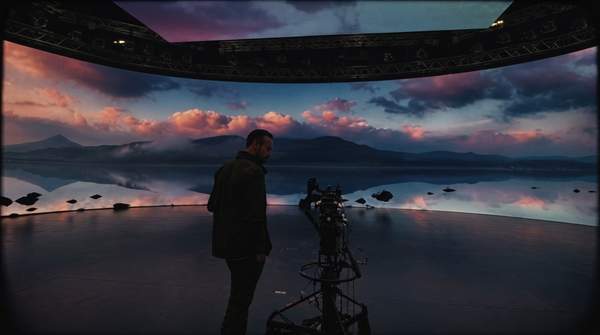
The gaffer is the head of the lighting department and makes the Director of Photography’s (DP) desired look for the film happen, according to StudioBinder. This role involves meticulously shaping light and shadow to create the visual mood and atmosphere for every scene. Their work directly influences how audiences perceive character emotions and narrative progression.
However, the gaffer is the chief architect of a film's visual mood and atmosphere, but their critical technical and creative contributions often remain uncredited by the general audience. This discrepancy obscures a pivotal role in visual storytelling.
Understanding the gaffer's multifaceted role reveals the intricate layers of expertise required to produce compelling cinema, highlighting that artistic vision relies heavily on precise technical execution. This article explores the gaffer responsibilities and contributions in film and television in 2026.
Gaffers manage the precise placement and intensity of light fixtures, which can dramatically alter a scene's emotional impact. They are responsible for implementing the DP's vision by selecting appropriate lighting instruments and accessories. This establishes the gaffer as the primary executor of the visual aesthetic, translating the DP's vision into tangible light on set.
Defining the Role: Chief Lighting Technician
The gaffer works directly under the DP and executes his or her vision, according to StudioBinder. This position places them as the chief lighting technician on a set and head of the electrical department, as reported by MasterClass. The gaffer serves as the essential link between the DP's artistic vision and the practical execution of all lighting and electrical needs.
This dual reporting and departmental headship means the gaffer must balance artistic interpretation with rigorous technical management. They oversee all electrical safety protocols and power distribution, ensuring a secure working environment for the entire crew.
Beyond the Bulb: Orchestrating the Electrical Department
The gaffer’s job is to run a team of lighting technicians to execute the lighting plan for a production, MasterClass states. The Gaffer is also responsible for running the Grip/Electric crew and overseeing all the lighting equipment, according to StudioBinder. The gaffer's role encompasses complex logistical and team management, ensuring not only creative lighting but also the fundamental power supply for the entire production.
This oversight includes scheduling crew members, managing the inventory of lights, cables, and generators, and ensuring proper maintenance. Their organizational skills are as critical as their technical expertise in maintaining a functional set.
The Proactive Visionary: Location Scouting
The Gaffer scouts locations for both creative and practical lighting needs, according to StudioBinder. This early involvement in pre-production positions gaffers as proactive problem-solvers, anticipating logistical challenges and shaping a film's visual potential long before cameras roll. Their assessments influence everything from power requirements to rigging strategies, a strategic contribution often overshadowed by the DP's public-facing role, yet critical for seamless production.
They assess existing power sources, potential hazards, and optimal positions for rigging lighting equipment. This pre-planning ensures that the DP's vision can be realized efficiently and safely within the chosen environment.
Shaping the Narrative: The Gaffer's Impact on Storytelling
Gaffers ensure the cinematographer's lighting plan is executed with precision, according to Videomaker. Their skilled implementation is fundamental to establishing the visual mood and atmosphere, directly enhancing the director's storytelling and ensuring every frame communicates its intended emotional weight.
This execution involves adjusting light color, intensity, and direction to evoke specific emotions or emphasize plot points. A character's isolation, for example, might be underscored by a gaffer's strategic use of hard shadows and focused illumination.
Common Questions About the Gaffer's Practical Responsibilities
What skills are essential for a gaffer?
Gaffers require a strong understanding of electrical systems, lighting technology, and optics. They also need leadership, problem-solving abilities, and keen communication skills to coordinate with various departments and translate artistic concepts into technical setups.
What is the difference between a gaffer and a director of photography?
The Director of Photography (DP) is the artistic visionary, deciding the overall visual style and lighting scheme for a film. The gaffer, conversely, is the chief technician who executes that vision, managing the electrical department and ensuring all lighting equipment functions safely and effectively on set.
What are the gaffer's responsibilities for power distribution on set?
The gaffer is responsible for getting electricity to all departments that require it, according to StudioBinder. This includes providing power for cameras, sound equipment, catering, and even charging stations, extending far beyond just lighting requirements.
The Unseen Hand: Gaffer's Ultimate Contribution
The gaffer's role extends beyond mere technical execution; it embodies a critical synthesis of artistic interpretation and logistical mastery. Their seamless integration of complex electrical systems with nuanced lighting design directly translates a director's abstract vision into tangible, emotive visuals. This profound impact, often unseen by the audience, positions the gaffer as the silent architect of a film's emotional resonance, making their contributions indispensable to the very possibility of compelling visual storytelling and the overall success of a production.
By 2026, the demand for gaffers with advanced knowledge of LED technology and sustainable power solutions will likely continue to grow, with average day rates reaching approximately $500, according to The Rate Guide.