Reshoots on high-budget films can account for 5 to 20 percent of the final production cost, a financial burden that virtual production aims to mitigate by shifting creative decisions to pre-production. These unexpected costs can escalate budgets by millions, often stemming from issues discovered late in the traditional post-production pipeline. Studios frequently face difficult choices between extensive, costly reshoots and compromising the film's artistic vision, impacting both financial returns and creative integrity.
However, virtual production demands substantial upfront investment in cutting-edge hardware and meticulous digital pre-production. A significant capital outlay creates an initial barrier, contrasting sharply with its promise to drastically reduce the financial risks and creative compromises inherent in traditional post-production and reshoots.
Companies that strategically adopt virtual production will likely gain a significant competitive advantage in both cost-efficiency and creative output, potentially reshaping industry standards for high-budget visual storytelling. The modern filmmaking landscape in 2026 requires understanding the technical requirements of virtual production stages to ensure budget certainty and creative agility.
What is Virtual Production and How Does it Work?
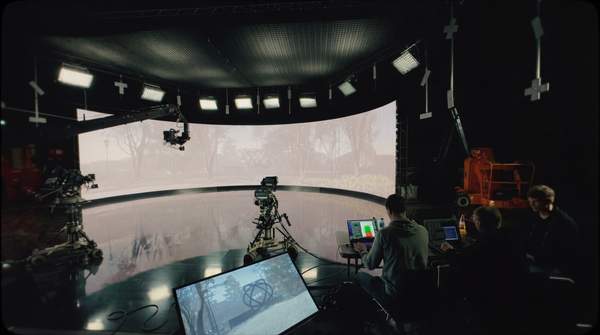
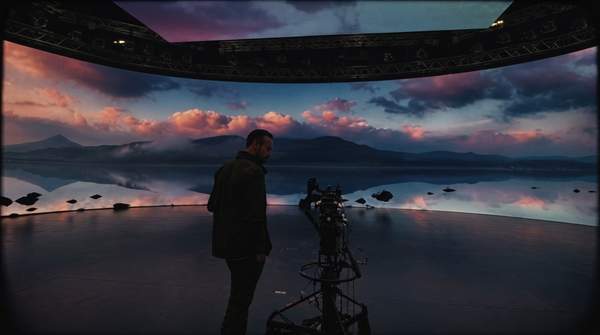
Virtual production integrates physical and digital elements in real time, allowing filmmakers to visualize and refine scenes on set. This process involves a camera tracking system that feeds positional data into a game engine, such as Unreal Engine, which then renders the 3D environment from the camera's perspective for display on LED walls, according to arctic7. This technology enables the dynamic blending of live-action footage with computer-generated backgrounds.
Directors and cinematographers can observe near-final shots in real time through this setup, enabling immediate adjustments to lighting, virtual environments, and camera angles. This real-time feedback loop transforms the director's role from a reactive problem-solver in post-production to a proactive decision-maker on set, empowering immediate artistic iteration. The virtual production workflow front-loads creative work, requiring meticulous pre-production to build digital worlds and plan shots before filming commences.