Production

Top 7 Emerging Filmmaking Technologies Revolutionizing Indie Film Budgets

Vivek Anchalia's film 'Naisha' demonstrated that a feature-length movie could be made for less than 15% of a traditional Bollywood budget, with 95% of its 75-minute runtime generated by artificial int

VR
Victor Ren

April 12, 2026 · 7 min read

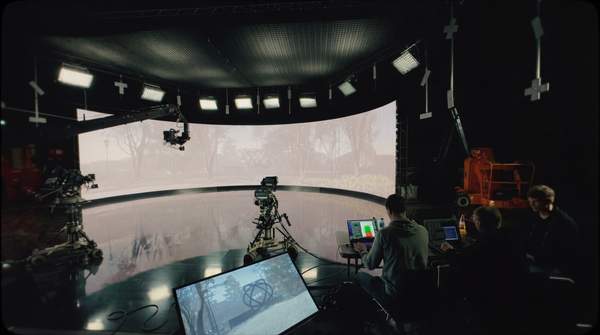
Futuristic film set with AI robots and human filmmakers collaborating, showcasing advanced technology revolutionizing production.

Vivek Anchalia's film 'Naisha' demonstrated that a feature-length movie could be made for less than 15% of a traditional Bollywood budget, with 95% of its 75-minute runtime generated by artificial intelligence, according to BBC. This production model drastically cuts costs and accelerates development, offering a new pathway for content creation. The film's success highlights how emerging filmmaking technologies are impacting indie film budgets in 2026.

Filmmaking budgets are plummeting and creative barriers are falling due to AI, but the industry is still grappling with how to integrate these tools without compromising artistic integrity or human employment. This tension defines the current period for independent cinema.

Based on the rapid adoption of AI for cost reduction and creative enhancement, independent filmmaking will likely become more accessible and prolific, potentially leading to a diversification of content and a redefinition of industry roles.

India's film industry is rapidly adopting artificial intelligence, with AI being used in Bollywood to dub content, according to Deccan Herald. This rapid integration is fundamentally reshaping the economic and creative landscape for filmmakers, especially in India.

1. Artificial Intelligence (Holistic Application)

Best for: Independent Filmmakers, Small Studios, Content Creators

Artificial Intelligence is transforming every stage of filmmaking, from pre-production to post-production. It acts as a comprehensive solution for various creative and technical challenges, significantly reducing the need for extensive human intervention.

Strengths: Cuts production costs to one-fifth; reduces production time to a quarter of traditional methods; could boost Indian media and entertainment firms' revenue by 10% and reduce costs by 15%; enabled films like 'Naisha' (95% AI-generated, budget less than 15% of traditional Bollywood production) | Limitations: Potential for compromising artistic integrity; reliance on AI tools can limit unique human creative vision | Price: Varies by tool and subscription model
2. AI-generated Virtual Actors/Characters (e.g. Naisha)

Best for: Indie Filmmakers, Experimental Projects, Budget-Conscious Productions

The titular heroine Naisha from Vivek Anchalia's film was 95% AI-generated, drastically reducing the need for traditional casting and filming processes. This technology allows for the creation of lifelike characters without the overhead associated with human actors.

Strengths: Enabled 'Naisha' (95% AI-generated, budget less than 15% of a traditional Bollywood production); AI-generated titular heroine Naisha landed an endorsement deal | Limitations: Ethical concerns regarding actor replacement; potential for uncanny valley effect; creative limitations in nuanced performances | Price: Project-dependent; often integrated into broader AI production suites

3. AI for VFX and Production Design

Best for: Indie Filmmakers, VFX Artists, Production Designers

AI tools can generate complex visual effects and production designs, acting as a "budget multiplier" for filmmakers. This allows for more ambitious visual storytelling within constrained financial limits, democratizing high-quality visual production.

Strengths: Acts as a 'budget multiplier'; can save filmmakers up to $1 million on a $15 million budget | Limitations: Requires skilled operators to guide AI; artistic consistency can be challenging; high computational demands | Price: Varies by software license and cloud computing usage

4. AI for Rewriting Film Endings/Creative Revisions

Best for: Screenwriters, Directors, Post-Production Teams

Artificial intelligence demonstrated its creative adaptability by rewriting the ending of the 2013 film 'Raanjhanaa' for its August 2025 re-release, according to BBC. This capability allows for rapid narrative adjustments and the creation of alternative versions for different markets or audience preferences.

Strengths: Rewrote the ending of the 2013 film 'Raanjhanaa' for its August 2025 re-release; enables quick narrative experimentation; facilitates content localization | Limitations: Questions of artistic authorship; AI-generated narratives may lack human nuance; requires careful human oversight | Price: Subscription-based for advanced AI writing platforms

5. Vurt (Mobile-First Vertical Streaming Platform)

Best for: Independent Filmmakers, Short-Form Content Creators, Mobile-First Audiences

Vurt is a mobile-first vertical streaming platform designed for independent filmmakers to upload micro-series or feature films in a vertical format. It offers direct submission and rapid content availability, bypassing traditional distribution bottlenecks.

Strengths: Operates on an AVOD model with a 50/50 revenue split; content available to audiences within 48 to 72 hours post-approval; inspired by platforms like ReelShort (projected $1.2 billion in gross consumer spending in 2025) and DramaBox ($276 million in consumer spending last year), according to TechCrunch | Limitations: Niche mobile-first format; audience reach dependent on platform growth; potential for content saturation | Price: Free for creators; revenue sharing model

6. Panasonic LUMIX GH7 (Mirrorless Camera)

Best for: Indie Filmmakers, Cinematographers, Documentarians

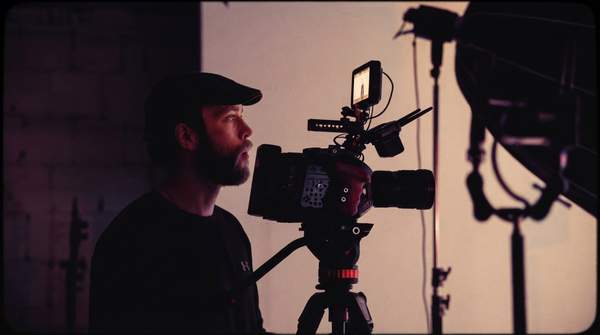
Panasonic introduced the LUMIX GH7, a mirrorless camera aimed at video creators, according to Trend Hunter. This camera features Open Gate multi-aspect recording, providing flexibility in framing and post-production, making professional-grade video capture more accessible within budget constraints.

Strengths: Mirrorless camera aimed at video creators; features Open Gate multi-aspect; high-quality video capture in a compact form factor | Limitations: Requires additional lenses and accessories; steeper learning curve than basic consumer cameras; may not fully replace high-end cinema cameras | Price: Mid-range professional camera (e.g. $2,199 body only)

7. AI for Generating Viral Videos

Best for: Digital Content Creators, Marketers, Indie Filmmakers for Promotional Content

AI tools can generate viral videos entirely through artificial intelligence, as seen with companies like Dor Brothers, according to The New York Times. This enables rapid, low-cost content creation specifically for digital platforms, allowing indie creators to build an audience with minimal traditional production overhead.

Strengths: Viral videos are generated entirely by artificial intelligence; enables rapid content iteration; low production costs for digital distribution | Limitations: Content may lack depth or originality; algorithm-dependent for virality; ethical concerns regarding authenticity | Price: Varies by platform and usage

New Platforms Level the Playing Field

PlatformTarget AudienceDistribution ModelRevenue SplitContent AvailabilityKey Benefit for Indie Filmmakers
VurtIndependent Filmmakers, Mobile-First ViewersAVOD (Advertising-Based Video On Demand)50/50 with creators48 to 72 hours post-approvalDirect global reach, favorable revenue share, quick monetization
Traditional Studio DistributionMajor Productions, Established FilmmakersTheatrical Release, Broadcast, SVOD/TVODVaries (often less favorable for creators)Months to years post-productionLarge marketing budgets, established audience, prestige

Vurt is a mobile-first vertical streaming platform designed for independent filmmakers to upload micro series or feature films in a vertical mobile-first format, according to TechCrunch. This platform allows creators to submit their content directly, and once approved, projects are available to audiences within 48 to 72 hours. Vurt operates on an AVOD model and offers a non-exclusive licensing agreement with a 50/50 revenue split. Platforms like Vurt are democratizing distribution and monetization, offering independent creators direct access to audiences and revenue streams previously dominated by major studios.

The Future of Indie Film: Speed, Scale, and New Challenges

The success of Vivek Anchalia's 'Naisha,' a 75-minute feature film made with 95% AI for less than 15% of a traditional Bollywood budget (BBC), signals that AI is not just a tool for efficiency; it is an existential threat to Bollywood's traditional production model, forcing a re-evaluation of what constitutes a 'big budget' film. Emerging filmmaking technologies have a profound impact on the industry.indie film budgets in 2026.

Platforms like Vurt, offering direct distribution and a 50/50 revenue split (TechCrunch), combined with Google Flow Sessions empowering independent filmmakers with AI tools (TechCrunch), are forging a new, decentralized creator economy in Indian cinema, where talent and ideas, not capital, become the primary currency. These tools, alongside hardware innovations like the Panasonic LUMIX GH7 mirrorless camera, are accelerating content creation and distribution.

While AI offers creative freedom, such as de-aging actors in 'Rekhachithram' or rewriting film endings (BBC), the industry must confront the question of whether this efficiency comes at the cost of artistic integrity, potentially devaluing human authorship and unique creative vision. The convergence of accessible AI tools, affordable high-quality hardware, and direct-to-audience platforms is fundamentally altering the landscape for independent filmmakers.

By 2027, the continued rapid development of AI for content generation and distribution, exemplified by platforms like Vurt's 50/50 revenue split, will likely see independent productions capture an increasing share of the digital media market, challenging traditional studios to adapt their production and distribution strategies.

What are the latest trends in indie filmmaking technology?

The latest trends include AI-powered content generation and mobile-first distribution platforms. Platforms like Vurt are inspired by the success of short-form video apps such as ReelShort, which is projected to achieve $1.2 billion in gross consumer spending in 2025, and DramaBox, which saw $276 million in consumer spending last year.

How can new tech reduce indie film production costs?

New technologies, particularly AI, can drastically reduce indie film production costs. AI applications can cut overall production costs to one-fifth and reduce production time to a quarter of traditional methods. They could also boost Indian media and entertainment firms' revenue by 10% and reduce costs by 15%.

What are the best affordable filmmaking tools for 2026?

Affordable tools for 2026 include accessible AI platforms for various stages of production and advanced mirrorless cameras. Filmmaker Arun Chandu, for instance, produced a sci-fi satire on a shoestring budget of 20 million Indian rupees (around $240,000), demonstrating the feasibility of high-quality independent productions with careful resource allocation.

How is AI impacting independent filmmaking budgets?

AI significantly impacts independent filmmaking budgets by enabling substantial cost savings and opening new revenue streams. For example, the AI-generated titular heroine Naisha secured an endorsement deal, illustrating how virtual talent can generate income beyond film production.