Top 3 Film Festivals for Documentary Filmmakers in 2026

The short film 'The Baddest Speechwriter of All' won the Short Film Grand Jury Prize at the 2026 Sundance Film Festival, proving the immense potential for short-form documentaries at top-tier events.

AF
Amelia Frost

June 3, 2026 · 5 min read

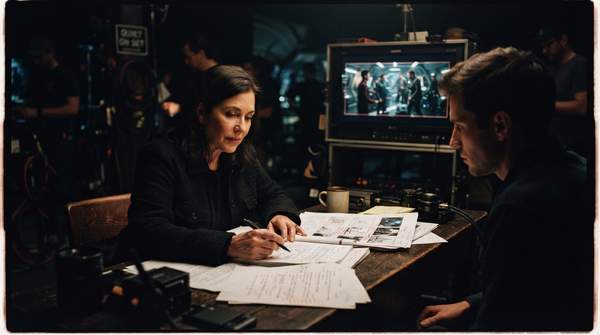
Diverse group of filmmakers watching an inspiring documentary film on a large screen, celebrating storytelling and cinematic achievement.

The short film 'The Baddest Speechwriter of All' won the Short Film Grand Jury Prize at the 2026 Sundance Film Festival, proving the immense potential for short-form documentaries at top-tier events. This recognition, alongside 'Take Me Home' earning the 2026 Waldo Salt Screenwriting Award: U.S. Dramatic, affirms Sundance's role in celebrating impactful storytelling and narrative craft, as reported by Sundance.

Top festivals offer immense visibility for documentary films, but their complex, expensive submission processes often deter or disqualify promising projects. Navigating these intricate landscapes demands precision; escalating fees and strict premiere requirements can prematurely end a film's festival aspirations.

Filmmakers who master these intricate submission landscapes are more likely to achieve festival success and industry recognition. This strategic approach becomes the only viable path for documentary creators aiming for top film festivals and markets in 2026.

1. Tribeca Festival

Best for: Independent documentary filmmakers seeking significant industry exposure and cash awards.

The Tribeca Festival, running June 3–14 in New York City, serves as a major platform for independent cinema, including documentary features and shorts. Projects must be completed after January 1, 2025, for eligibility (festagent). The screening of eleven Sundance Institute-supported projects at Tribeca highlights a crucial synergy among major film events, offering filmmakers broader exposure, as reported by film festival watch: catch these 11 must-see sundance institute–supported films at tribeca 2026.

Strengths: Offers substantial cash awards, with $80,000 distributed in 2023.. Provides a high-profile platform for independent films and includes specific categories like TRIBECA: TV. | Limitations: Requires projects to maintain at minimum a North American premiere status. Category-specific rules, such as TRIBECA: TV episodes needing to be 20 minutes or longer, add complexity. | Price: Official Short Film submission deadline: December 3, 2025 ($70 fee); Extended Short Film deadline: February 13, 2026 ($85 fee); Student short film discount: $35.

2. Sundance Film Festival

Best for: Documentarians aiming for global recognition and substantial industry support.

Sundance remains a pinnacle for independent cinema, consistently premiering award-winning documentaries. Its proven track record for discovering and promoting significant films is clear, with 'The Baddest Speechwriter of All' winning the 2026 Short Film Grand Jury Prize. The festival's support for projects like 'Retrieval' through its programs actively cultivates new talent and innovative storytelling.

Strengths: Unparalleled prestige and media attention. Strong history of launching successful documentary careers. Extensive support programs for filmmakers through the Sundance Institute. | Limitations: Highly competitive selection process. Specific submission deadlines and fees for 2026 are not detailed within available information. | Price: Not specified in available data for 2026 submissions.

3. Slamdance Film Festival

Best for: Emerging first-time directors with low-budget narrative and documentary features.

Slamdance Film Festival, a champion of visionary first-time directors since 1995, spotlights low-budget narrative and documentary features. Submissions open May 18, 2026. The earlybird deadline is July 6, 2026, with feature films at $70 and shorts/episode/DIG films at $500, according to slamdance.

Strengths: Strong focus on new talent and independent voices. More accessible fee structure for early submissions. Clear, tiered deadlines provide planning flexibility. | Limitations: Primarily targets first-time directors, which may limit appeal for more established filmmakers. Smaller scale compared to Tribeca or Sundance. | Price: Earlybird deadline: July 6, 2026 (Features $70, Shorts/Episode/DIG $50); Regular deadline: August 10, 2026 (Features $90, Shorts/Episode/DIG $60); Late deadline: September 14, 2026 (Features $110, Shorts/Episode/DIG $70).

FestivalCategoryOfficial Deadline (Fee)Extended Deadline (Fee)Student DiscountNotes
Tribeca FestivalShort FilmDecember 3, 2025 ($70)February 13, 2026 ($85)$35 (Short Films Only)Projects must be completed after January 1, 2025.
Tribeca FestivalFeature FilmN/AJanuary 21, 2026 ($135)N/ATRIBECA: TV episodes must be 20 minutes or longer.
Slamdance Film FestivalFeaturesJuly 6, 2026 ($70) - EarlybirdOctober 6, 2026 (Extended)N/ASubmissions open May 18, 2026.
Slamdance Film FestivalShorts/Episode/DIGJuly 6, 2026 ($50) - EarlybirdOctober 6, 2026 (Extended)$9.99 (99 Special Earlybird)Recognized for discovering visionary first-time directors.

Submission Deadlines and Fee Structures

The official deadline for Tribeca Short Film submissions is December 3, 2025, with a $70 fee (Tribecafilm). Filmmakers face a strategic financial trade-off: an early submission saves $15 compared to the extended deadline of February 13, 2026, which costs $85. This choice forces creators to weigh financial prudence against additional time for creative refinement, a dilemma impacting a short film's final polish and festival readiness.

Student-directed short films gain a significant competitive advantage at Tribeca, with a discounted $35 submission rate—less than half the standard fee. This discount suggests a deliberate festival strategy to cultivate emerging talent, granting student filmmakers a distinct, often overlooked, competitive edge.

Critical Technical and Premiere Status Requirements

All TRIBECA: TV episodes must be 20 minutes or longer (tribeca film festival). This technical requirement proves that broad eligibility is insufficient; filmmakers must meticulously scrutinize category-specific rules. Projects not yet final cuts must be clearly marked 'Work in Progress' ('WIP') or 'Rough Cut,' permitting submission before full polish but demanding transparent labeling.

Projects MUST maintain North American premiere status prior to TFF19. This premiere requirement means filmmakers cannot indiscriminately submit their work to other festivals before Tribeca; a scattershot approach guarantees disqualification from top festivals. Filmmakers must meticulously plan their festival circuit from the outset, as adherence to these specific technical and premiere status requirements is non-negotiable for consideration.

Frequently Asked Questions for Submissions

What is a film market for documentaries?

A film market, unlike a festival, primarily serves as a business platform where filmmakers can sell distribution rights, secure funding, and network with industry professionals. Events like the European Film Market (EFM) or Cannes' Marché du Film focus on commercial transactions and co-production opportunities, offering a different avenue for a documentary's lifecycle beyond audience screenings.

What are the most prestigious documentary film festivals?

Beyond Sundance and Tribeca, other highly regarded documentary festivals include IDFA (International Documentary Film Festival Amsterdam), known for its focus on creative documentaries, and CPH:DOX in Copenhagen, which explores artistic innovation. These festivals often feature robust industry programs and can provide significant international exposure for a documentary project.

How do I submit my documentary to a film festival?

Submitting a documentary involves more than just meeting deadlines and paying fees; filmmakers should prepare a compelling trailer, a detailed press kit with high-resolution stills, and a concise director's statement. Utilizing platforms like FilmFreeway can streamline the technical submission process, but crafting a unique and persuasive application package remains crucial for standing out among thousands of entries, likely determining a film's trajectory in a competitive landscape.