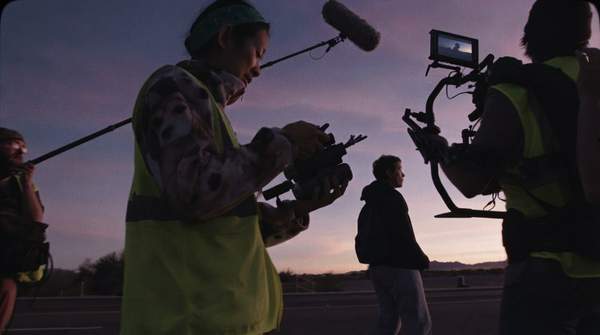
Filmmaker Brad Tangonan used artificial intelligence tools to craft 'Murmuray,' a short film he describes as a deeply personal family story, showcasing how technology now enables intimate narratives previously out of reach for independent budgets. This application of AI moves beyond spectacle, allowing creators to explore profound human experiences with a cinematic quality once exclusive to larger productions. Such tools are being accessed by filmmakers through programs like Google Flow Sessions, which provided 10 independent filmmakers access to AI tools including Gemini, Nano Banana Pro, and Veo to produce short films, according to TechCrunch.
Independent films are simultaneously achieving significant creative and commercial success through both traditional self-funding and grassroots marketing, yet the industry grapples with the disruptive, often controversial, integration of AI tools. Karan Tejpal’s 2023 film Stolen and Payal Kapadia’s 2024 film All We Imagine As Light notably exceeded creative and logistical expectations, demonstrating the enduring power of human-driven narratives, as reported by Outlook India. This tension defines the current cinematic moment, where innovation clashes with established artistic principles.
The landscape of impactful indie filmmaking will likely evolve into a hybrid model, where AI acts as a powerful enabler for individual creators, but sustained success will still depend on authentic human storytelling and robust community support. This evolution positions independent creators at the forefront of a new cinematic frontier, where personal vision can be amplified without the traditional constraints of studio budgets.
The New Blueprint for Indie Success
1. Humans In The Loop (2024)
Best for: Filmmakers seeking to combine festival presence with innovative audience engagement.
Aranya Sahay's Humans In The Loop initiated an Oscars campaign trial after its festival premiere, followed by over thirty interactive screening venues across the country. This approach demonstrates a strategic blend of industry aspiration and direct audience connection.
Strengths: Strong industry recognition potential; innovative, direct audience engagement. | Limitations: Requires significant logistical coordination for interactive screenings; high campaign costs. | Price: N/A
2. 'Moonlight' (2016)
Best for: Storytellers exploring complex social themes through experimental narrative structures.
Barry Jenkins' Moonlight explores complex themes of identity, sexuality, and masculinity through a unique non-linear narrative structure. Its impact stems from its ability to render deeply personal experiences with universal resonance.
Strengths: Critically acclaimed for narrative innovation; strong emotional depth. | Limitations: May challenge viewers accustomed to linear storytelling. | Price: Varies by platform
3. 'Hereditary' (2018)
Best for: Directors aiming to redefine genre conventions with distinct visual and psychological elements.
Ari Aster's Hereditary offers a fresh take on the horror genre, moving beyond jump scares to focus on psychological terror and familial trauma with a distinct visual style and character-driven narrative. The film's lasting impression comes from its meticulous craft and thematic depth.
Strengths: Groundbreaking horror; strong critical reception for direction and performances. | Limitations: Intense psychological content may not appeal to all horror fans. | Price: Varies by platform
4. 'Obvious Child' (2014)
Best for: Writers and directors tackling sensitive social issues within accessible genre frameworks.
Gillian Robespierre’s Obvious Child is a romantic comedy-drama that directly addresses abortion and female empowerment. It redefines the genre by integrating a controversial topic with humor and honesty, fostering significant social discussions.
Strengths: Bold thematic choices; relatable characters; critical success for its candid approach. | Limitations: Subject matter may be polarizing for some audiences. | Price: Varies by platform
5. All We Imagine As Light (2024)
Best for: Filmmakers focused on achieving critical acclaim and international recognition through compelling narratives.
Payal Kapadia’s All We Imagine As Light exceeded creative and logistical expectations, garnering significant attention on the international festival circuit. Its success confirms the power of a strong narrative to transcend production challenges.
Strengths: High critical acclaim; strong international festival presence. | Limitations: Distribution may rely heavily on festival success. | Price: N/A
6. 'The Witch' (2015)
Best for: Auteurs exploring historical settings and thematic horror through rich atmosphere.
Robert Eggers' The Witch is a period horror film that explores religious themes and the supernatural in 17th-century New England. Its impact lies in its immersive atmosphere and historical detail, which create a unique and unsettling experience.
Strengths: Distinctive period setting; strong thematic depth; unique visual style. | Limitations: Pacing may be slow for some viewers; relies on psychological tension over overt scares. | Price: Varies by platform
7. 'Fruitvale Station' (2013)
Best for: Filmmakers creating socially conscious dramas that spark public dialogue.
Ryan Coogler's Fruitvale Station stirred discussions about racial profiling and police brutality through its portrayal of Oscar Grant’s final day. The film's power is its ability to humanize a tragic event and provoke critical reflection on systemic issues.
Strengths: Significant social impact; strong emotional resonance; critical recognition for its urgency. | Limitations: Deals with sensitive and potentially upsetting subject matter. | Price: Varies by platform