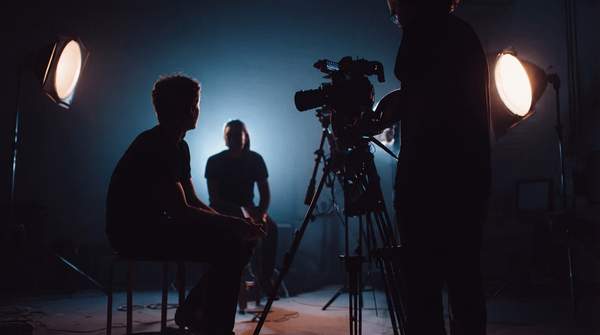
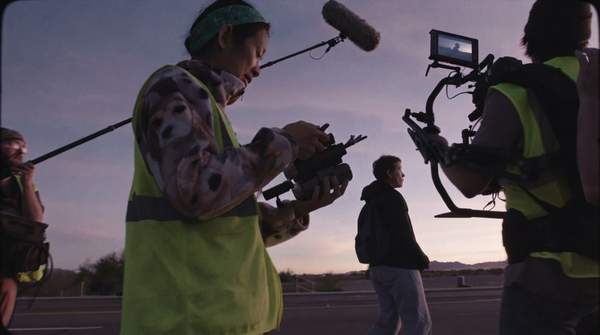
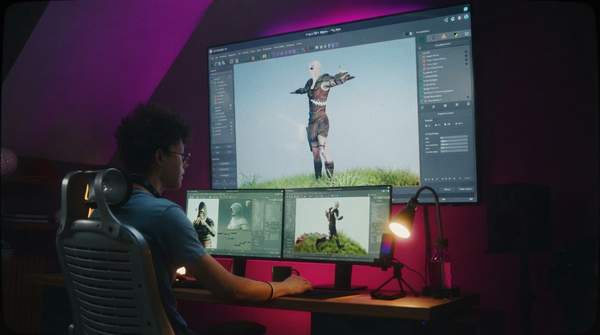
Legendary director Martin Scorsese, a staunch advocate for cinematic preservation and traditional filmmaking, has partnered with AI startup Black Forest Labs, signaling a surprising embrace of technology that many in Hollywood fear for its impact on creative integrity, according to The Express Tribune. A rapid, complex integration of artificial intelligence into the very fabric of filmmaking, challenging established notions of authorship and artistic process, is revealed by this move by a titan of cinema.
Iconic filmmakers and major studios are actively partnering with AI companies to create content, but simultaneously, industry bodies and individual artists are fighting to protect intellectual property and ensure ethical AI use. A fundamental conflict at the heart of the entertainment industry's engagement with AI is exposed by this tension.
The film and television industry is rapidly accelerating its adoption of AI for commercial gain, potentially sacrificing long-term creative integrity and ethical standards for short-term efficiency and novelty, unless robust protections are universally enforced.
The Commercial Rush and Production Efficiency
Amazon’s new GenAI Creators’ Fund ordered three animated series for Prime Video, a significant investment in AI-driven content creation, according to Forbes. Lionsgate, another major studio, signed a deal with Runway to train a custom model on its 20,000-title library, further illustrating this aggressive adoption. Lionsgate had already deployed AI tools, including Copilot, ChatGPT Enterprise, and Snowflake, across over 80% of its workforce.
An industry-wide drive towards both creative enhancement and significant operational efficiencies is confirmed by these significant investments and widespread deployment of AI tools across major studios. The film industry is not merely dabbling in AI; major players like Lionsgate are betting their future on it, suggesting a full-scale, irreversible integration that will fundamentally redefine content creation and potentially reshape the entire production landscape.
The Fight for IP and Consent
Major US studios, represented by the Motion Picture Association (MPA), demanded that ByteDance's AI video tool, Seedance, 'immediately cease' infringing copyright, according to BBC News. Simultaneously, Matthew McConaughey's legal team secured trademarks to ensure consent and compensation for the use of his voice or likeness by AI, as reported by Variety.
A growing alarm over unchecked AI development and its potential to exploit existing creative works and likenesses without proper consent or compensation is exposed by these actions. The tension between studios fighting external AI infringement while actively pursuing and investing in AI content creation themselves suggests a 'do as I say, not as I do' approach to intellectual property. Efforts to establish clear, universal standards for AI use in media production, potentially leaving creators vulnerable, are complicated by this contradictory stance.
Ethical Challenges and Guidelines for Authenticity
The Archival Producers Alliance (APA), a group of over 300 documentary producers and researchers, developed ethical guidelines for AI use in film over the course of a year, according to The Guardian. These guidelines specifically address transparency and historical accuracy concerns regarding AI-generated material in documentary filmmaking. Yet, even as these proactive efforts emerge, AI is being used to de-age actors like Tom Hanks and Harrison Ford, according to BBC News, and two films honored at the Oscars used AI technology to alter voices, as noted by BBC.
A significant challenge in enforcing guidelines effectively is suggested by this stark contrast between proposed ethical frameworks and actual industry practice, especially when creative manipulation is involved. The use of AI for de-aging and voice alteration in high-profile productions, even as specialized groups craft safeguards, emphasizes the critical need for industry-wide standards to preserve authenticity and trust. Profound questions about the long-term impact on historical narratives and the transparency offered to audiences, potentially eroding the very trust cinema relies upon, are raised by this disparity.
The Future of Creative Integrity in an AI-Driven Industry
The film industry now stands at a profound crossroads, where the allure of AI's efficiency and creative potential clashes directly with fundamental questions of authorship, ownership, and ethical responsibility. The very future of storytelling itself, as industry bodies like the APA and individual artists like Matthew McConaughey scramble to establish ethical boundaries and IP protections, is shaped by this tension. Yet, the rapid commercialization, evidenced by Amazon's GenAI Creators’ Fund and Oscar-honored films using AI, indicates that the industry's legal and ethical frameworks are critically lagging behind technological adoption, creating a Wild West scenario for intellectual property and creative control.
An irreversible transformation of content creation, and by Q3 2026, the absence of universally enforced legal and ethical frameworks will likely intensify disputes over intellectual property, challenging the very foundation of creative ownership and potentially diminishing the authenticity audiences expect from cinematic experiences, is pointed to by this aggressive push into AI, spearheaded by major studios and even traditionalists like Martin Scorsese.